

Corey Stingley death: Restorative justice resolution brings closure

Restorative justice resolution brings closure
Restorative justice was just part of what led to two men pleading guilty to felony murder last week, and they likely won't go to prison.
MILWAUKEE - Restorative justice was just part of what led to two men pleading guilty to felony murder in the death of Corey Stingley at the Milwaukee County Courthouse last week.
Corey Stingley's death
The backstory:
The hearing was the closest Craig Stingley has been to justice for his son, Corey. The 16-year-old died after three customers held him down at a West Allis liquor store, after a clerk confronted him for stealing, in December 2012.
FREE DOWNLOAD: Get breaking news alerts in the FOX LOCAL Mobile app for iOS or Android
Milwaukee County's district attorney at the time declined to file criminal charges against the men involved. The Racine County district attorney declined as well. One of the men involved died in 2022, but then a special prosecutor decided to move forward.
"When we realized, truly, that this wasn’t going to be something that would give the family what they needed in the traditional system, we approached restorative justice," said Dane County District Attorney Ismael Ozanne, the special prosecutor appointed to the case.
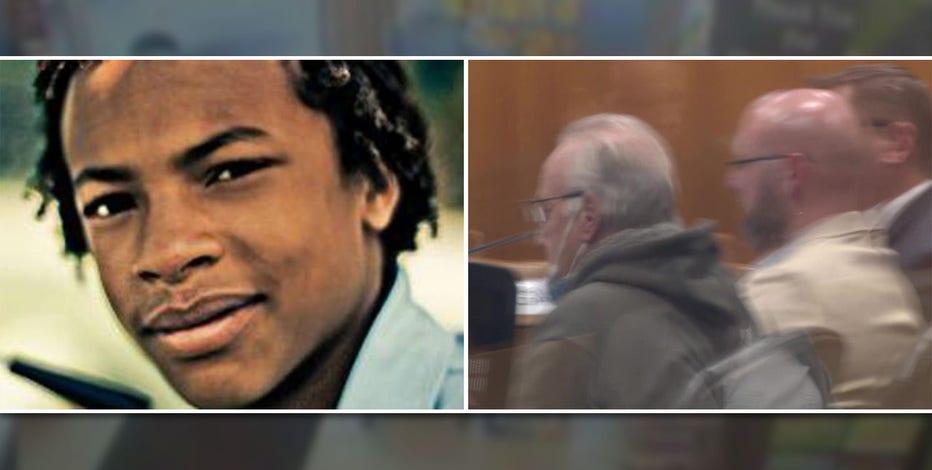
Corey Stingley death: Men plead guilty to murder, sentences deferred
Two men charged with felony murder in the death of 16-year-old Corey Stingley appeared in Milwaukee County court on Thursday.
What is restorative justice?
What we know:
Former Milwaukee County Chief Judge Mary Triggiano leads the Marquette University Law School's Andrew Center for Restorative Justice.
"I would argue that it is not necessarily part of the same system. It can run parallel to it, it can come before it, it can come after," said Triggiano. "It's not something we seek to supplant the traditional system, right?"
Triggiano said restorative justice changes the conversation: "Restorative justice is not for everyone. It is voluntary on both parts."
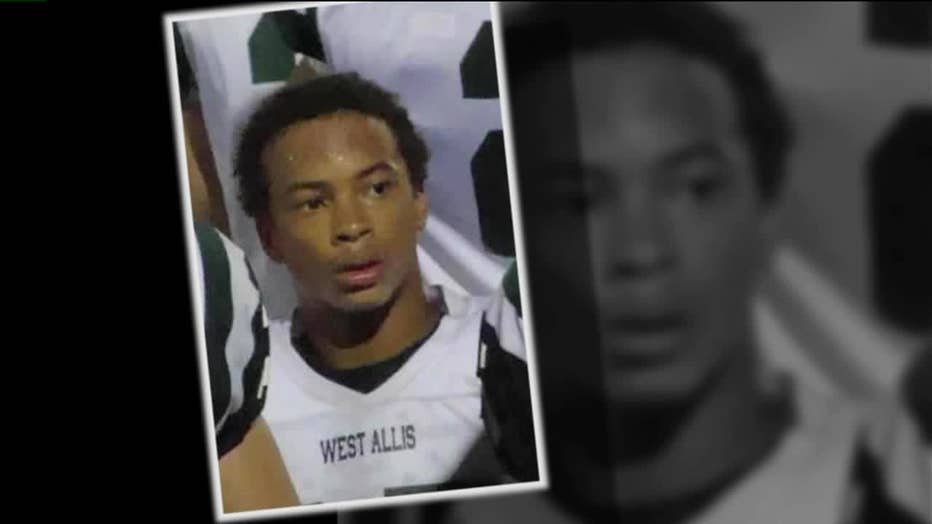
Corey Stingley
The Stingley case took more than a year of discussions. Law students Silas Petrie and Sam Medina-Conchi helped Triggiano through the process.
"We were just, really, basically able to help her provide the best stage possible for this to happen," said Medina-Conchi.
"When we finally got into the dialogue, did something brave that day," said Triggiano.
SIGN UP TODAY: Get daily headlines, breaking news emails from FOX6 News
The two men who pleaded guilty, Robert Beringer and Jesse Cole, will likely have their cases dismissed with prejudice later this year as part of a deferred prosecution agreement that the Stingley family signed off on. They likely won't go to prison.
"In this type of situation, it's very, very unique facts, very unique posture," Triggiano said of how often this happens in Milwaukee County. "It's very, very rare, at least from the Andrew Center."
Craig Stingley said it taught him something.
"After a situation, a tragedy, you want – you want somebody to pay for it," he said. "I don't think we really understand what that means until some time has gone away, and that loved one you had – you start to understand that's not going to bring them back, but it will damage you."
The Source: FOX6 News referenced interviews and prior coverage of the case.