

Wisconsin allergy counts; how we get them, what you need to know

MILWAUKEE - Fall is here and that means itchy eyes and a runny nose for some allergies sufferers. FOX6 meteorologists regularly show allergy levels on-air, but where does the data come from?
Tracking pollen data
What we know:
Meteorologist Lisa Michaels visited Dr. Gary Steven, owner of Allergy, Asthma & Sinus Center, and certified pollen counter, and his wife, Rene Steven, to learn about the process of collecting it. To gather pollen and mold data daily, Dr. Steven must climb onto the office’s roof.

FOX6 photojournalist, Eddie Poser climbing a ladder to the roof.
That is where a specialized device called a Burkard Spore Trap does all the work. Air is pulled into this device on a continuous basis moving over a microscope slide coated with a silicone grease that traps anything in the air. After 24 hours, Dr. Steven takes the slide out and brings it into the office laboratory. Then the slide is stained pink to highlight features of the pollen to identify the different species.

Dr. Gary Steven and FOX6 Meteorologist Lisa Michaels on the roof next to the Burkard Spore Trap.
Once Steven counts the total of each species, the data is then posted to their website. This data is also sent to our local meteorologists so they can show it on-air to help viewers with their day-to-day lives. This tedious process takes significant time and effort, but it helps identify patterns, species, and symptoms for his patients from what they are being exposed to.
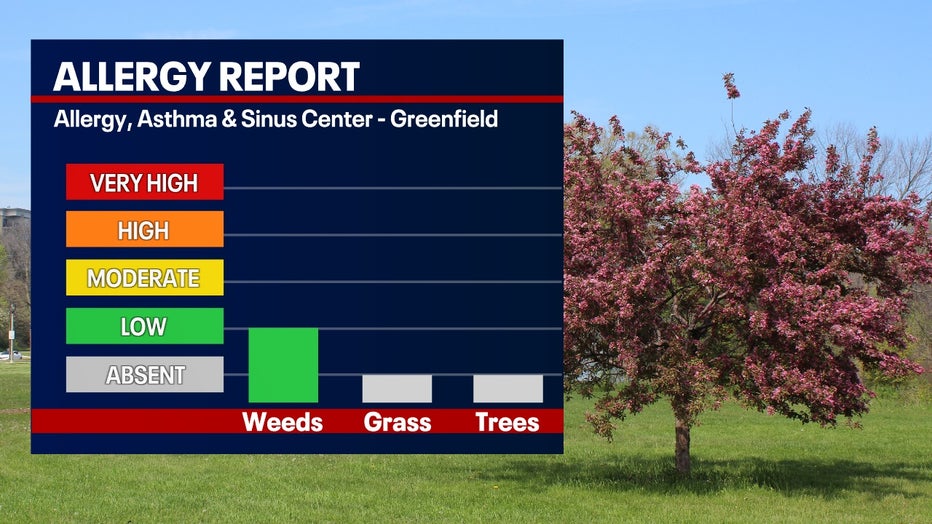
What makes Dr. Steven unique is that he has pollen counts that date back to 1995, and he has one of three pollen counting stations in the state of Wisconsin. Over the past 20 years, Dr. Steven determined that tree allergy season is progressively worse with rising pollen counts and a longer allergy season due to warmer temperatures. Grass and weed seasons aren’t changing as much, since they pollinate based on the amount of light they receive each day which has been more consistent.
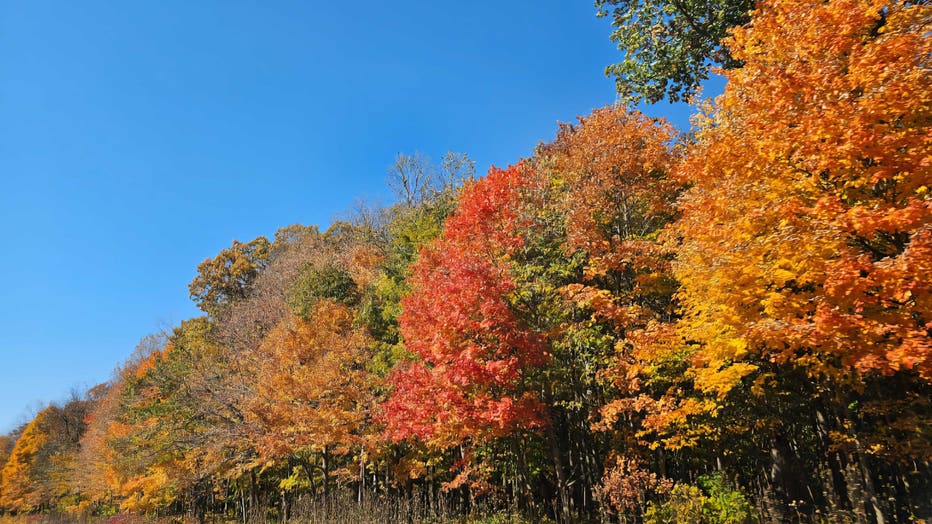
Photo Credit: Lisa Michaels
While fall is here, the threat for pollen allergies is over. In fact, Dr. Steven indicated that ragweed season ended as of Sunday, Sept. 21. Mold spores tend to last a while longer, especially in September and October when it is still warmer outside.
SIGN UP TODAY: Get daily headlines, breaking news emails from FOX6 News
Help yourself
What you can do:
Tips to reduce allergy symptoms include:
- Monitor the pollen counts
- Use an air purifier
- Keep windows and doors closed
- Take a shower after being outside
- Take daily allergy medication if needed
The Source: Information in this report is from the FOX6 Weather Experts, and Dr. Gary Steven with Allergy, Asthma, and Sinus Center.