

Wildfire smoke could mean higher prices for meat and dairy

MILWAUKEE - As wildfires continue to burn across North America, the smoke they produce isn’t just a threat to humans, it’s also taking a toll on livestock and farming communities across the Midwest.
Toll on livestock
Dig deeper:
In areas where smoke lingers for days or even weeks, cattle are exposed to high levels of fine particulate matter, known as PM2.5.
These tiny particles are small enough to travel deep into the lungs and even enter the bloodstream of the cattle. Researchers are still studying the long-term impacts on cattle.
Early findings in a new study at Oregon State University suggest exposure to smoke can lead to respiratory inflammation, increased stress, and changes in feeding behavior.
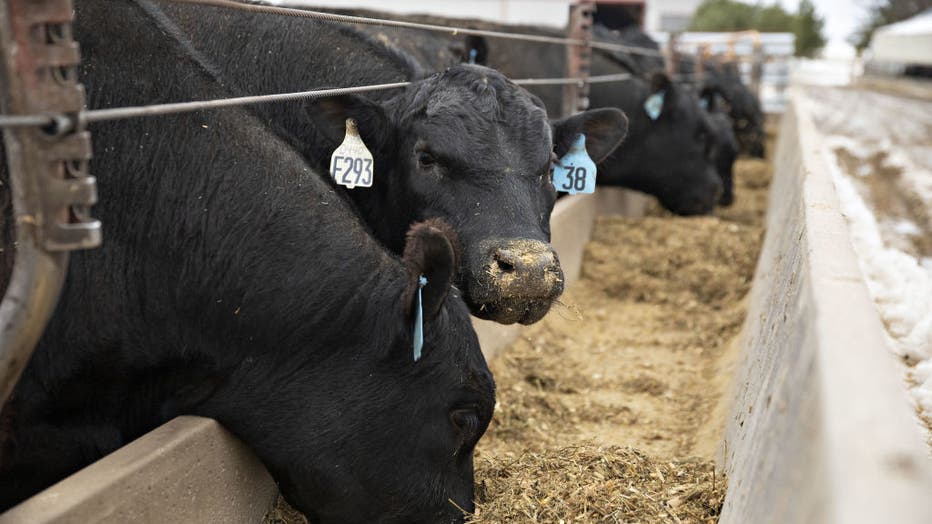
Angus bulls eat in a pen at Woodhill Farms in Viroqua, Wisconsin. (Daniel Acker/Bloomberg via Getty Images)
Stress and illness
What we know:
The poor air quality from wildfire smoke can trigger an immune response, causing stress, and cattle exposed to high levels of PM2.5 may get sick more often or die prematurely.
This stress and illness causes reduced weight gain, poor muscle tone due to less movement, and higher stress hormone levels. This is especially bad if the animals are handled or transported during smoky periods.
FREE DOWNLOAD: Get breaking news alerts in the FOX LOCAL Mobile app for iOS or Android
Like humans, cattle do have some ability to adapt to gradual smoke exposure. However, sudden spikes in air pollution can overwhelm their systems.
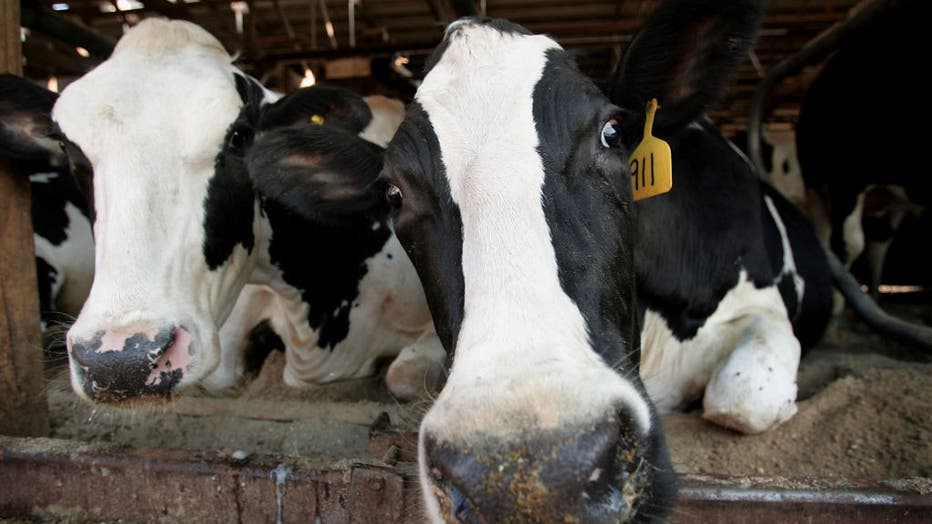
Cows relax after being milked on the farm of Jacob Keizer June 29, 2005 near Delavan, Wisconsin. (Photo by Scott Olson/Getty Images)
The research
Dig deeper:
It's not just beef cattle either. Based on a study in the journal Environmental Research, air pollution like wildfire smoke also has a significant impact on dairy cattle health and productivity.
The research found that increased levels of PM2.5 were associated with reduced milk yield in dairy cows, likely due to inflammation and oxidative stress triggered by polluted air. The study also noted that longer exposure durations and higher concentrations of PM2.5 amplified the negative impacts, suggesting a cumulative effect over time.
SIGN UP TODAY: Get daily headlines, breaking news emails from FOX6 News
These findings highlight that, much like humans, dairy cattle are vulnerable to air quality, and poor environmental conditions can directly impact our food production systems.
Impact on costs
What we know:
More intensive handling and care during smoke events can raise production costs for farmers.
Costs can trickle down to consumers in the form of higher meat and dairy prices.
Why you should care:
- Wildfire smoke and air pollution can reduce meat and milk production.
- Farmers may need to spend more on veterinary care and stress-reduction measures raising their costs.
- Lower supply and higher costs can lead to rising grocery prices for beef and dairy.
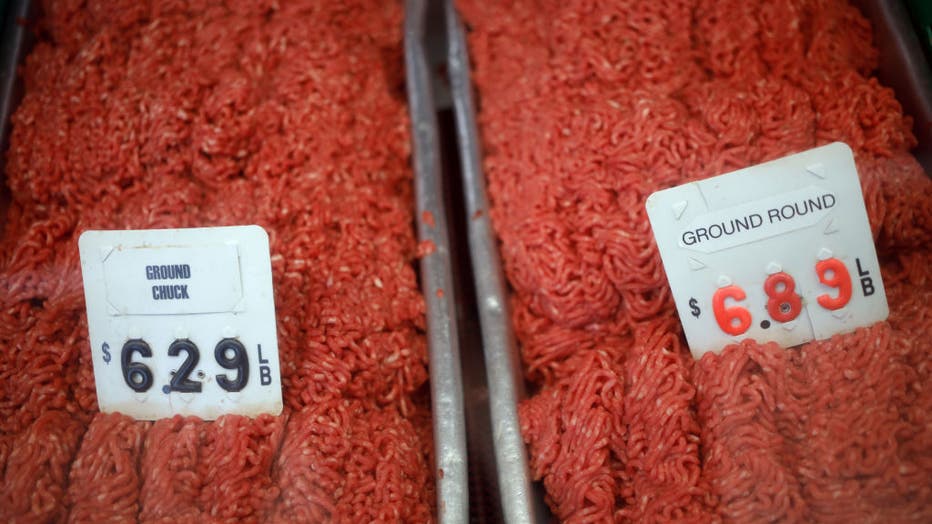
Ground beef for sale at a butcher shop in Louisville, Kentucky, U.S., on Tuesday, Aug. 23, 2022. In 2022, food price increases are expected to be above the increases in 2020 and 2021, according to the US Department Of Agriculture "Food Price Outlook"
What can farmers do?
What we know:
Agriculture veterinarians recommend that cattle and dairy farmers:
- Monitor the Air Quality Index (AQI) to avoid moving or working cattle on smoky days.
- Provide shade, fresh air and fresh water to reduce stress.
- Allow more time for animals to recover after smoke exposure.
- Watch for signs of respiratory issues like coughing or nasal discharge.
The Source: Gao, Z., et al. (2022). Associations between ambient particulate matter and milk production in dairy cows. Environmental Research, 204, 111998. https://doi.org/10.1016/j.envres.2021.111998 Juliana Ranches Beef Extension Specialist / Oregon State University / Eastern Oregon Agricultural Research Center (EOARC)Aline Cristine Rezende dos Santos Graduate Research Assistant / Oregon State University / Eastern Oregon Agricultural Research Center (EOARC)