

Milwaukee County highlights opioid settlement funding amid federal cuts

Milwaukee County highlights opioid settlement funding
Milwaukee County leaders and community groups emphasized the impact of opioid settlement funding during a roundtable discussion at Safe & Sound.
MILWAUKEE - Milwaukee County leaders and community advocates gathered on Tuesday, Dec. 16, to emphasize the importance of opioid settlement dollars as a lifeline for prevention, treatment and recovery services, especially as federal behavioral health funding faces uncertainty.
Funding uncertainty grows
What we know:
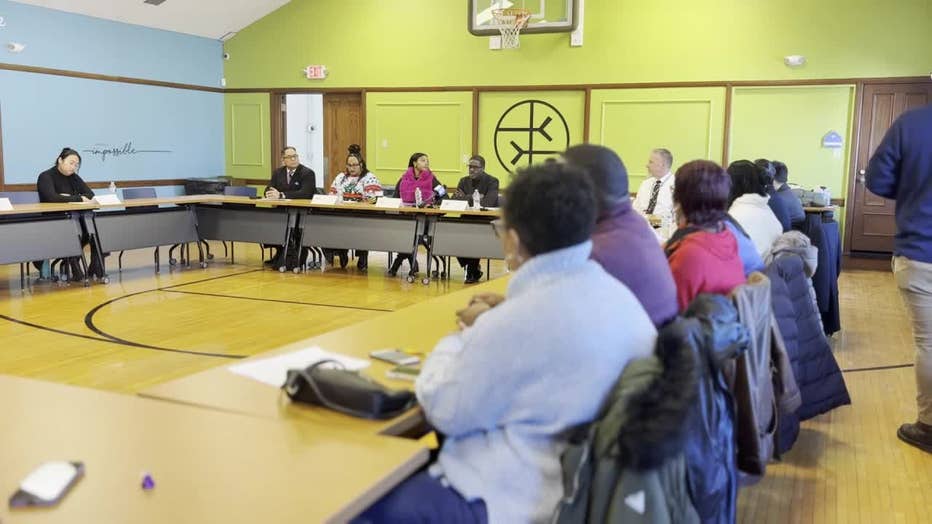
County Executive David Crowley and County Board Chairwoman Marcelia Nicholson-Bovell hosted a roundtable discussion at Safe & Sound with community-based organizations receiving opioid settlement funding through the county’s Better Ways to Cope initiative. The conversation focused on how the funds are being used to reach underserved populations and sustain life-saving services.
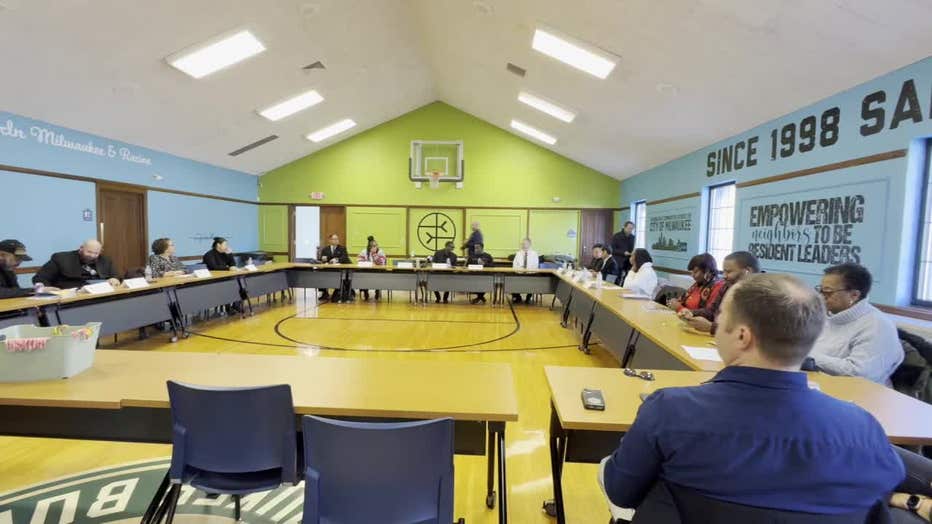
Milwaukee County officials said the discussion also underscored the growing importance of settlement dollars as state and federal funding for behavioral health services remains uncertain or declines.
Lived experience
Local perspective:
Community advocates said the funding is already making a tangible difference.
FREE DOWNLOAD: Get breaking news alerts in the FOX LOCAL Mobile app for iOS or Android
"It’s really important to me because I believe that the more people that we can serve in recovery and an addiction is important," said Startina White, Wisconsin Community Services. "I’m a recoveree myself. My parents were in addiction as well and they are also in recovery.

White said her lived experience has shaped her commitment to breaking cycles of addiction and helping others access support.
"Having funds to reach those people, having funds to support those people, it’s very very important," White said. "We can’t do it alone. We need funds to do that."
County data shows more than 300 people have died from drug-related causes in Milwaukee County, reinforcing the urgency of maintaining treatment and recovery services.
"It’s hard to meet someone in Milwaukee County that hasn’t been impacted by the opioid epidemic," said Crowley.
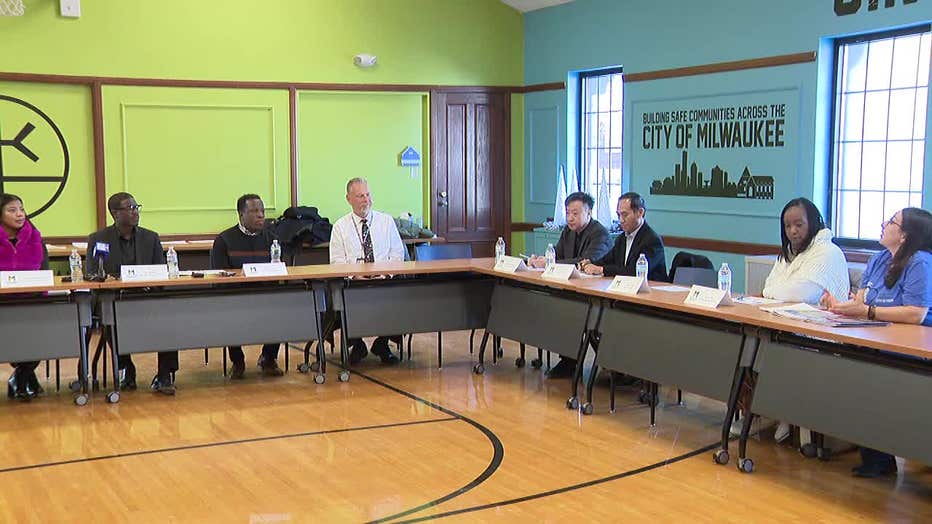
White said funding through Better Ways to Cope has already expanded what organizations are able to do.
"The funds from Better Ways to Cope has absolutely helped go a long way," she said.
Settlement dollars at work
By the numbers:
In 2023, Milwaukee County confirmed it would receive $111 million over 18 years through nationwide opioid settlements – the largest amount recovered by any local government in Wisconsin history. So far, the county has allocated $34 million across three cohorts of funded projects.
SIGN UP TODAY: Get daily headlines, breaking news emails from FOX6 News
County leaders said projects supported by the settlement dollars are shaped by input from community stakeholders, service providers and people with lived experience.
The following projects were approved by the Milwaukee County Board of Supervisors for implementation during fiscal years 2026-2028:
- Aging and Disabilities Services Opioid Prevention Project: Deliver outreach to older adults and individuals with disabilities through door-to-door canvassing, harm reduction supply distribution, and engagement with senior living facilities.
- Community Regranting Program: Provide funding to community-based organizations to deliver prevention, treatment, recovery, and harm reduction services to underserved populations.
- Prevention Integration Initiative: Build capacity at DHHS to coordinate prevention education, implement universal screening tools, and support all opioid settlement-funded projects through a dedicated Prevention Integration Manager.
- Harm Reduction Supplies Distribution: Expand access to lifesaving materials through harm reduction vending machines and an online ordering system, reaching high-overdose areas across the county.
- Medical Examiner’s Office Staffing: Support critical positions including a forensic pathologist, medicolegal death investigator, and forensic chemist to improve turnaround time for investigations and data-driven decision-making.
- Housing and Services: Provide housing and services for vulnerable individuals receiving substance use disorder treatment in residential facilities.
- Harm Reduction Data Analytics: Enhance public data dashboards and explore health factors tied to opioid use by integrating EMS and hospital data to inform prevention and treatment strategies.
More can be learned about Milwaukee County’s efforts to combat the opioid epidemic at the county’s website.
The Source: Milwaukee County Executive David Crowley's office provided information.