

Stalled front could bring more flooding to southeast Wisconsin
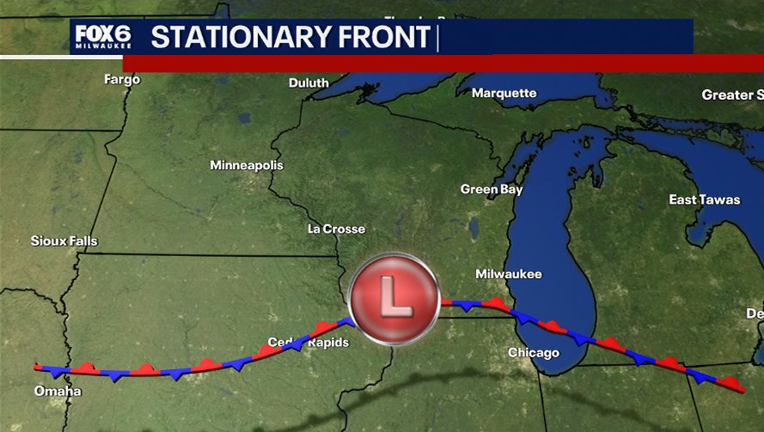
MILWAUKEE - Southern Wisconsin is about to spend the weekend and early next week under the influence of one of the most frustrating and sometimes dangerous weather patterns: the stalled front, or more formally called a quasi-stationary front.
Quasi-stationary front
The backstory:
A quasi-stationary front is essentially a boundary between two air masses that have run out of momentum. Instead of sweeping through like a typical cold or warm front, it lingers essentially in place for hours or days at a time.
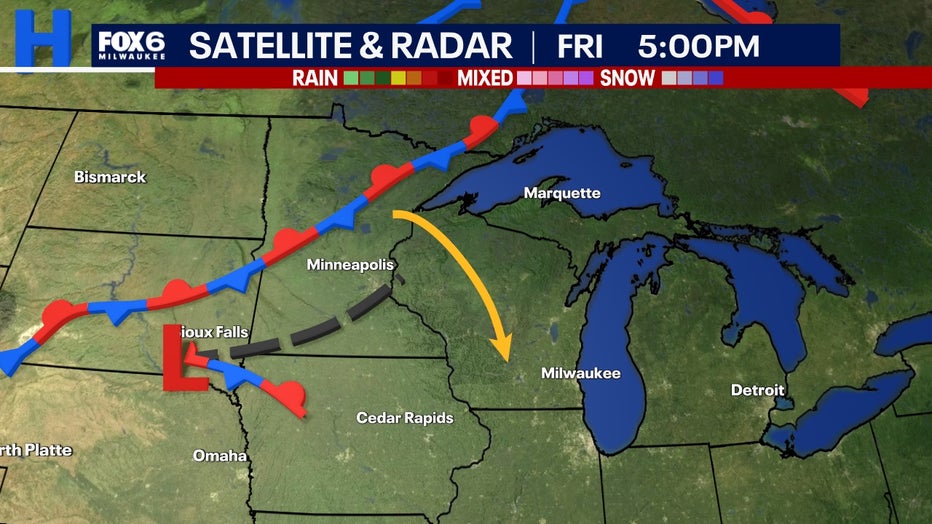
Sometimes it might "wobble" a bit north or south, but rarely enough to end its influence. When this happens, the front becomes a storm highway, a track where systems repeatedly form and travel over the same region.
Showers and thunderstorms
Timeline:
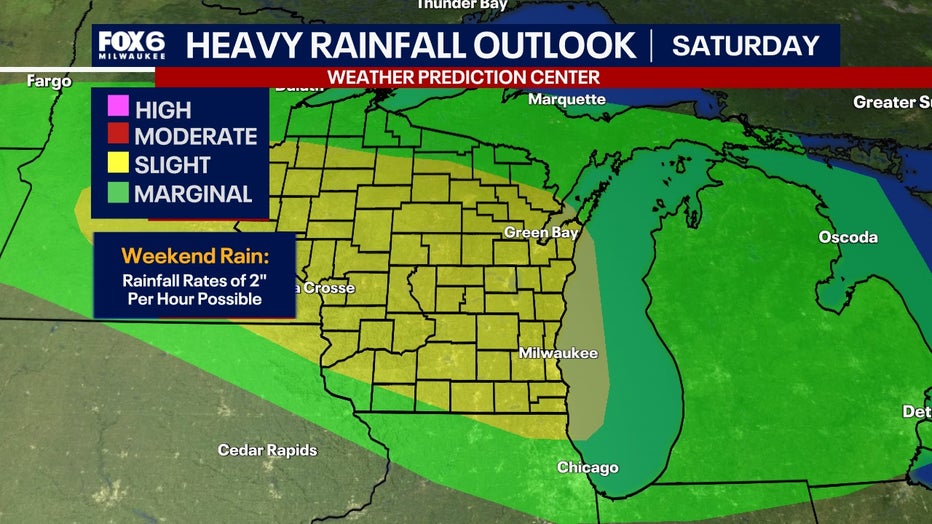
This weekend and early next week, that highway could set up right over or just south of Wisconsin. The FOX6 Weather Experts are watching for multiple potential rounds of showers and thunderstorms, many of them forming overnight.
Because the front isn’t moving much, the same towns could see several inches of rain in a matter of days. That raises the risk of flash flooding, especially in areas where rivers are already high from last weekend’s storms.
SIGN UP TODAY: Get daily headlines, breaking news emails from FOX6 News
Challenges of stalled fronts
Dig deeper:
The challenges of stalled fronts are also maddening for meteorologists as well as planners and local residents. With the position of the front shifting slightly from day to day, a picnic in one county could be sunny and hot, while a neighboring county gets an all-day washout.
For emergency managers, it means preparing for flooding in places that might not see a drop, but could be inundated hours later if the front wobbles back.
The science behind these stubborn systems is rooted in atmospheric balance. Sometimes, the push of high pressure from one side and the pull of low pressure from the other cancel each other out. Until a stronger system moves in to shove the front out of the way, the weather stays locked in, and the impacts can pile up.
FREE DOWNLOAD: Get breaking news alerts in the FOX LOCAL Mobile app for iOS or Android
For southern Wisconsin, that means watching the skies, the rivers, and the radar, because when the weather doesn’t move on, the hazards have more time to take hold.
The FOX6 Weather Experts will be tracking this very closely. Check in regularly for updates.
The Source: The information in this post was provided by the FOX6 Weather Experts, The National Weather Service, and AMS Glossary of Terms.