

Dangerous cold returns to Wisconsin: How to prep for a long Arctic stretch
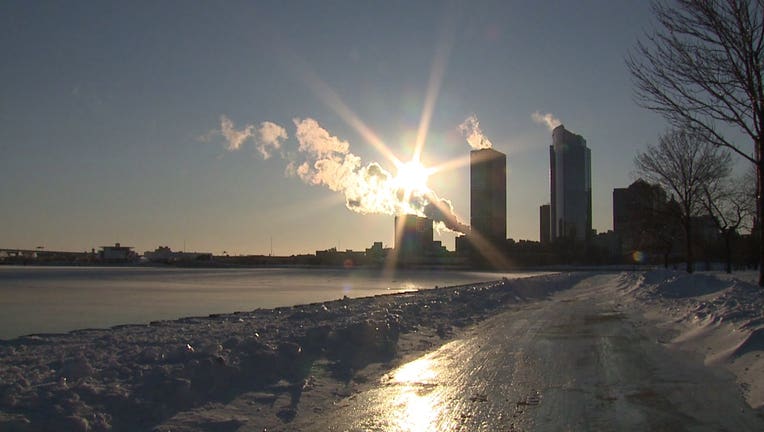
MILWAUKEE - Wisconsin is in the midst of another surge of true Arctic air, with wind chills dipping well below zero at times Thursday and Friday.
While bitter cold is nothing new for early December, this stretch is long enough and cold enough to create real challenges for people, pets, homes, and vehicles across the state.
Understanding what this level of cold actually feels like, how quickly frostbite can set in, and how to prepare for several days of below-normal temperatures can help keep families safe and ready.
Bitter Wind Chills
Potentially hazardous
What we know:
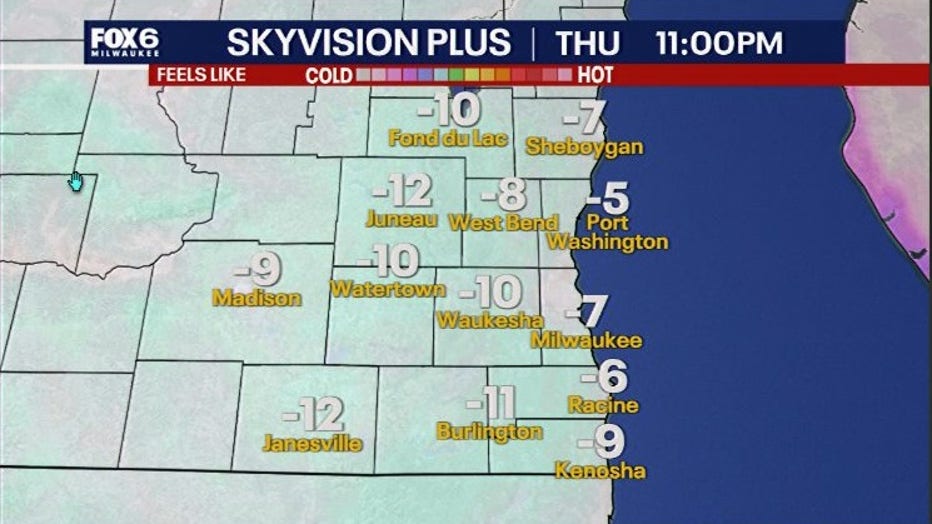
Wind chills between -10° and -15° fall into the range where the cold becomes both painful and potentially hazardous. At these levels, exposed skin cools rapidly, and simple outdoor tasks become noticeably more difficult. Most people feel sharp stinging on their ears and fingertips within minutes, and numbness can develop if exposure continues.
Frostbite becomes possible in roughly 30 minutes or less, particularly on the face and hands, and even faster if there is any moisture from sweat, breath, or melting snow. A key sign of concern is when the cold stops hurting and begins to feel strangely "warm" or numb. That is a sign that skin temperature has dropped into the danger zone.
8-14 Day Cold Trend
Long cold stretch
Timeline:
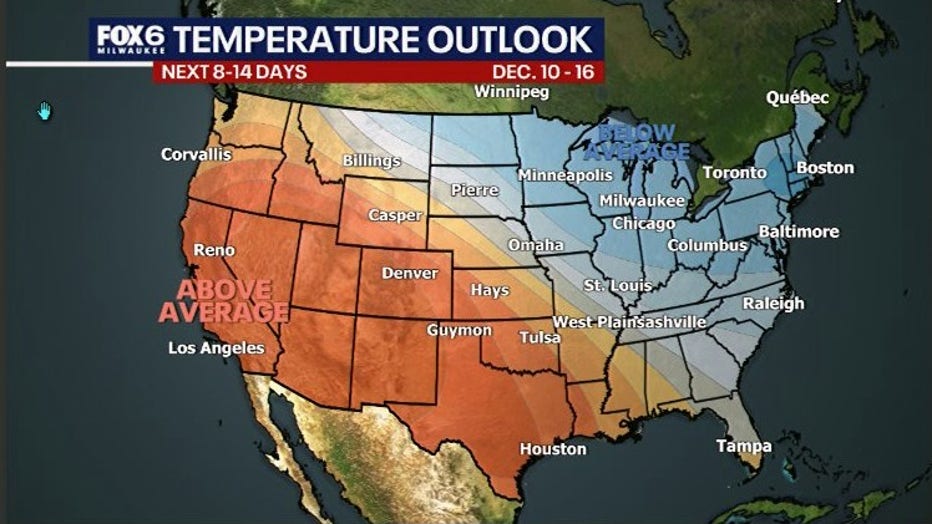
Temperatures will stay below normal through much of the upcoming week as a series of weak disturbances keeps the pattern active and reinforces the cold air already in place.
Highs will only reach the 20s over the weekend and may struggle to climb out of the teens by Monday, with lows consistently in the single digits and teens each night.
While there are signs of a modest warm-up by mid-week with temperatures getting back toward the upper 20s or near 30 but the overall trend favors a colder-than-average stretch with multiple chances for light snow as several shortwaves move through the region.
Cold-weather prep priorities
What you can do:
During prolonged cold snaps like this one, it’s crucial to make simple preparations at home to avoid unnecessary emergencies. Pipes, furnaces, pets, and vehicles are the most vulnerable during these multi-day Arctic stretches. A few quick steps can prevent some of the most common winter issues.
- Protect indoor pipes along exterior walls by opening cabinet doors and allowing a trickle of water to flow.
- Keep pets’ time outdoors short and use pet-safe salt to prevent paw injuries on frozen or treated surfaces.
- Replace furnace filters, check vents, and schedule maintenance early if the system struggles to keep up.
- Winterize your vehicle by keeping the gas tank at least half full, checking the battery, and stocking a cold-weather kit.
As temperatures remain below normal into next week, these steps can help you stay ahead of the cold and minimize disruptions. The bitter stretch will also place extra stress on furnaces working nonstop, local road crews managing icy patches, and anyone spending time outdoors for work, chores, or holiday travel. Even brief trips outside like walking the dog, scraping the windshield, or carrying groceries will feel significantly harsher under wind chills near or below -15°.
Unseasonable but not unusual cold
The Bottom Line:
This is a classic Wisconsin cold snap. It is well below the climate average, but only a day or two will get close to record levels. That said, this cold stretch is not one to take lightly. Prepare your home, protect your pets, check on vulnerable neighbors, and give yourself extra time for everything outdoors. The cold will ease, but until it does, a little caution goes a long way.
The Source: The Wisconsin Weather Experts & The National Weather Service - Sullivan