

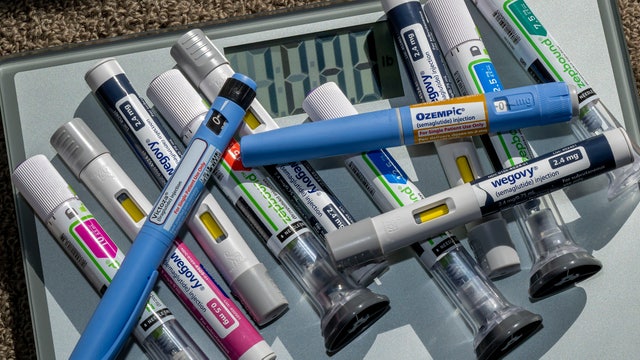

GLP-1s save on health costs if they don't go above this price, CVS analysis finds
A new CVS Health analysis showed that GLP-1 drugs are linked to fewer hospitalizations and lower health care costs, but not enough to offset their current price point.
A new CVS Health analysis showed that GLP-1 drugs are linked to fewer hospitalizations and lower health care costs, but not enough to offset their current price point.


Wisconsin 10-month-old boy with rare disorder needs liver donor
Westen Hagen, 10 months old, has Alagille syndrome and needs a liver transplant. His family is hosting a fundraiser in South Milwaukee to help.
Westen Hagen, 10 months old, has Alagille syndrome and needs a liver transplant. His family is hosting a fundraiser in South Milwaukee to help.


FDA approves daily pill shown to cut repeat stroke risk by 26%
The FDA has approved Sunharbo, a once-daily pill that helps reduce the risk of another stroke in certain adults who recently had a clot-related stroke or mini-stroke.
The FDA has approved Sunharbo, a once-daily pill that helps reduce the risk of another stroke in certain adults who recently had a clot-related stroke or mini-stroke.
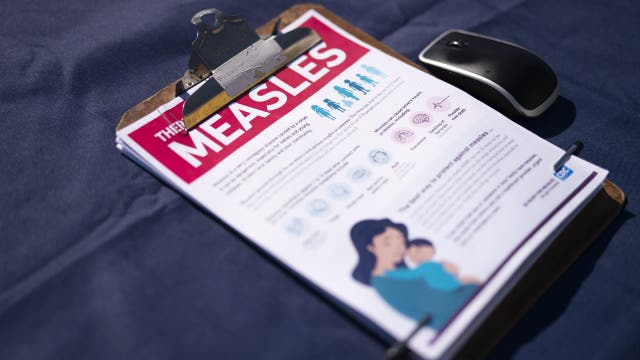

US loses measles-elimination status, WSJ reports: What this means
The United States has lost its measles-elimination status after 26 years of keeping the highly contagious disease at bay with vaccines,
The United States has lost its measles-elimination status after 26 years of keeping the highly contagious disease at bay with vaccines,


Measles in Wisconsin, 2nd pediatric death reported in Grant County
Health officials have confirmed a second pediatric death connected to the ongoing measles outbreak in Wisconsin in 2026.
Health officials have confirmed a second pediatric death connected to the ongoing measles outbreak in Wisconsin in 2026.


Ozempic and Zepbound users face 6 rebound risks after stopping, doctor warns
Stopping GLP-1 medications such as Ozempic, Wegovy and Zepbound can lead to renewed hunger, weight regain and a reversal of improvements in blood sugar, blood pressure and cholesterol.
Stopping GLP-1 medications such as Ozempic, Wegovy and Zepbound can lead to renewed hunger, weight regain and a reversal of improvements in blood sugar, blood pressure and cholesterol.


Popular snack may help support brain health in older adults, new study finds
An unsuspecting snack could help support brain health in older adults, new research suggests.
An unsuspecting snack could help support brain health in older adults, new research suggests.


Kentucky governor calls for firing of HHS Secretary RFK Jr.
Kentucky Gov. Andy Beshear is urging President Donald Trump to "immediately" fire Health Secretary Robert F. Kennedy Jr., accusing him of undermining the nation’s public health system.
Kentucky Gov. Andy Beshear is urging President Donald Trump to "immediately" fire Health Secretary Robert F. Kennedy Jr., accusing him of undermining the nation’s public health system.


Hospital sewers may be breeding grounds for dangerous superbugs, study finds
Hospital wastewater has been shown to promote the growth of antibiotic-resistant bacteria, potentially making sewer systems hotspots for antimicrobial resistance, according to a new Swedish study published in Nature Communications.
Hospital wastewater has been shown to promote the growth of antibiotic-resistant bacteria, potentially making sewer systems hotspots for antimicrobial resistance, according to a new Swedish study published in Nature Communications.


US to fund new research into potential PTSD treatment for veterans
The U.S. government plans to spend up to $4.9 million to help prepare for clinical trials for a psychedelic drug that could serve as a treatment for veterans suffering from post-traumatic stress disorder, Health Secretary Robert F. Kennedy Jr. announced Thursday.
The U.S. government plans to spend up to $4.9 million to help prepare for clinical trials for a psychedelic drug that could serve as a treatment for veterans suffering from post-traumatic stress disorder, Health Secretary Robert F. Kennedy Jr. announced Thursday.
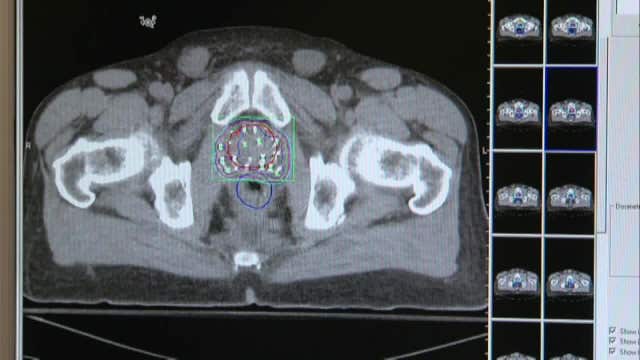

New prostate cancer guidelines recommend more frequent screenings
New prostate cancer guidelines call for more frequent screenings in men. The American Cancer Society announced the updates.
New prostate cancer guidelines call for more frequent screenings in men. The American Cancer Society announced the updates.
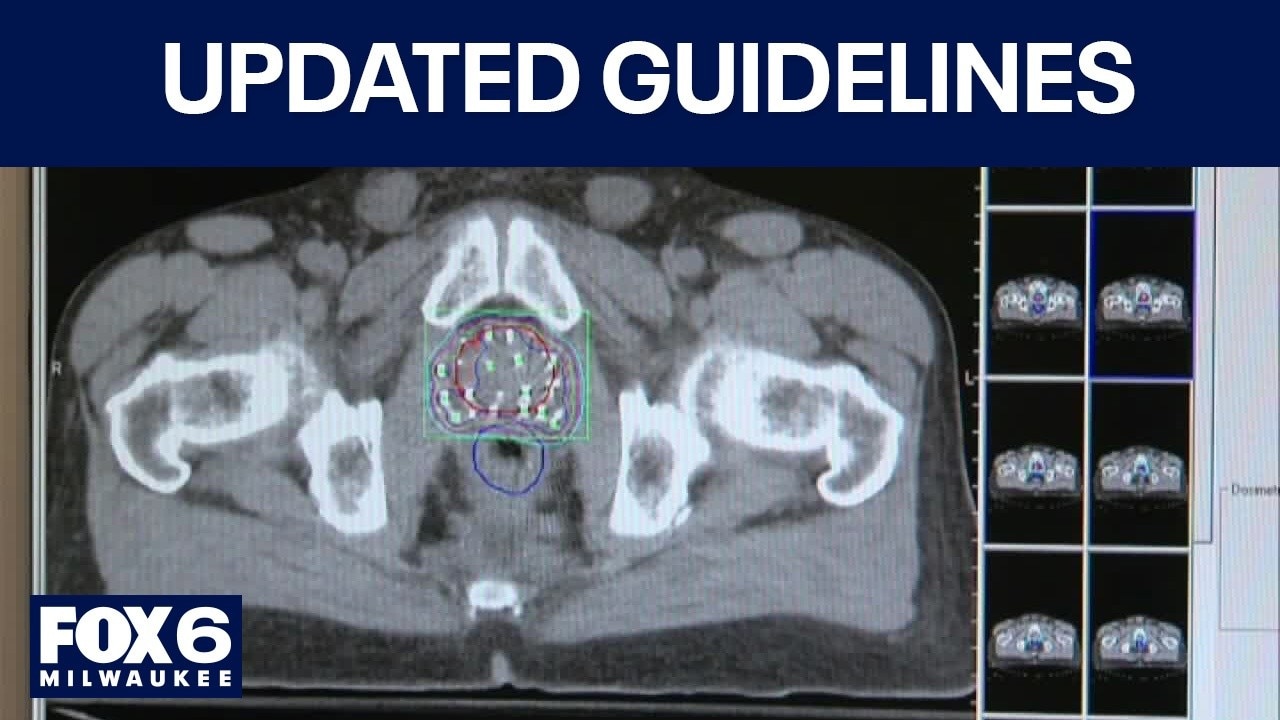
New prostate cancer guidelines recommend more frequent screenings
New prostate cancer guidelines call for more frequent screenings in men. The American Cancer Society announced the updates.
New prostate cancer guidelines call for more frequent screenings in men. The American Cancer Society announced the updates.
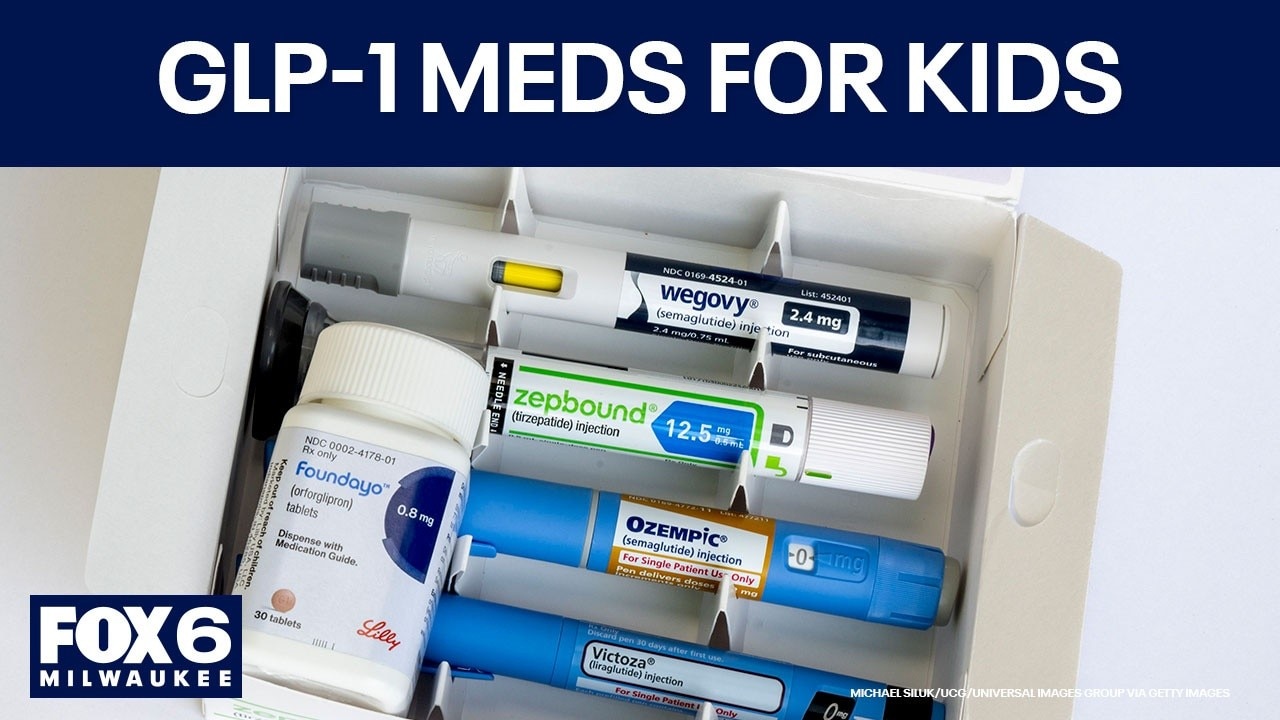
GLP-1 medications for kids; when are they appropriate?
There has been more discussion among doctors about the use of GLP-1 medications for children. In what circumstances is that appropriate? Dr. Elizabeth Mann, a pediatric endocrinologist at UW Health, joined FOX6 NOW to offer some insight.
There has been more discussion among doctors about the use of GLP-1 medications for children. In what circumstances is that appropriate? Dr. Elizabeth Mann, a pediatric endocrinologist at UW Health, joined FOX6 NOW to offer some insight.
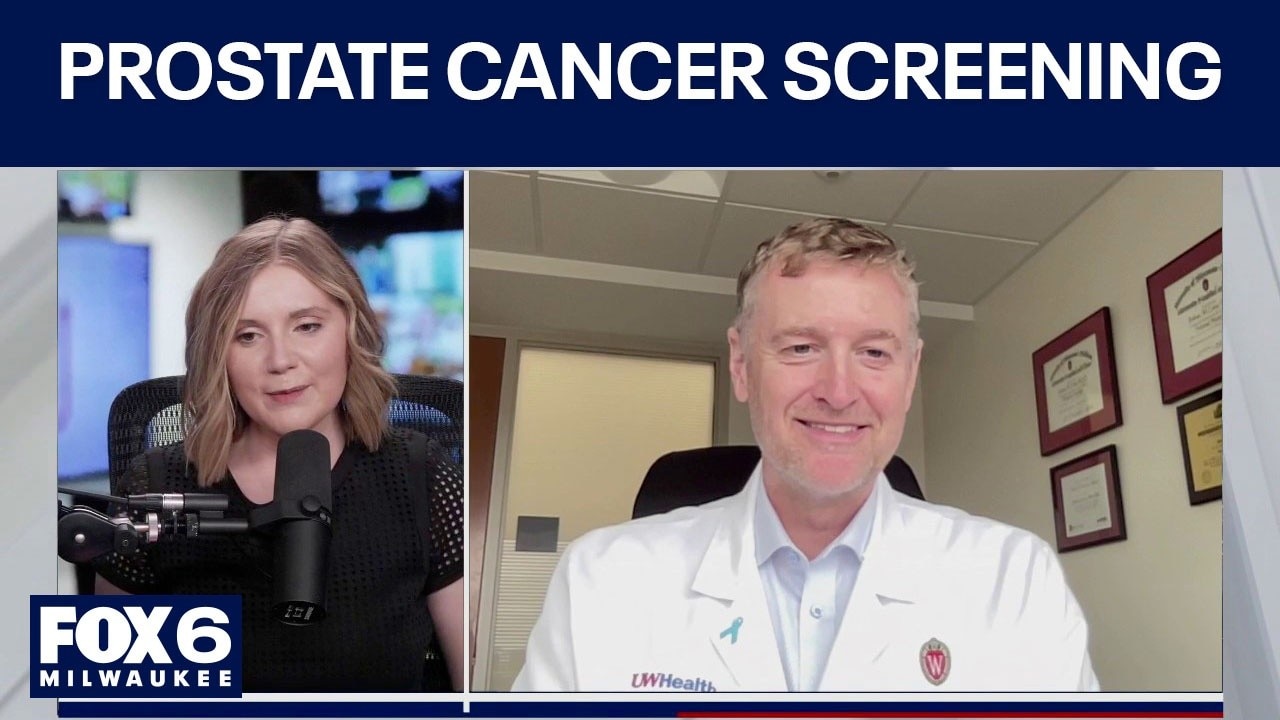
New prostate cancer screening guidelines; what you need to know
There are new prostate cancer screening guidelines. Dr. Joshua Lang, a medical oncologist with UW Health and the Carbone Cancer Center, joined FOX6 NOW to talk about this change. As it turns out, what's old is new again.
There are new prostate cancer screening guidelines. Dr. Joshua Lang, a medical oncologist with UW Health and the Carbone Cancer Center, joined FOX6 NOW to talk about this change. As it turns out, what's old is new again.
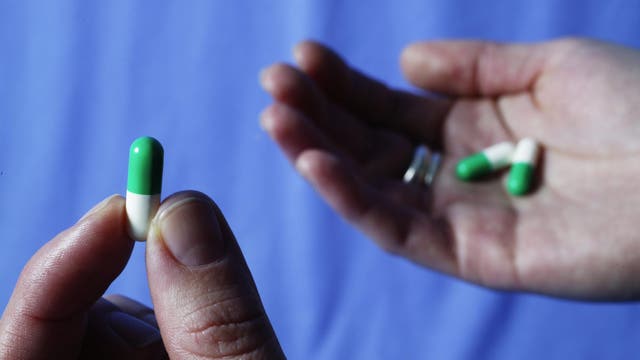

Common heart pill under scrutiny for older patients as study weighs risks of stopping
Some older adults may be able to stop taking statins with little added risk over two years, but a new study raises concerns about longer-term safety.
Some older adults may be able to stop taking statins with little added risk over two years, but a new study raises concerns about longer-term safety.


Christina Applegate investigating breast implant illness after MS misdiagnosis
Christina Applegate is searching for answers after her MS misdiagnosis and is now investigating whether breast implant illness could be behind her ongoing health struggles.
Christina Applegate is searching for answers after her MS misdiagnosis and is now investigating whether breast implant illness could be behind her ongoing health struggles.
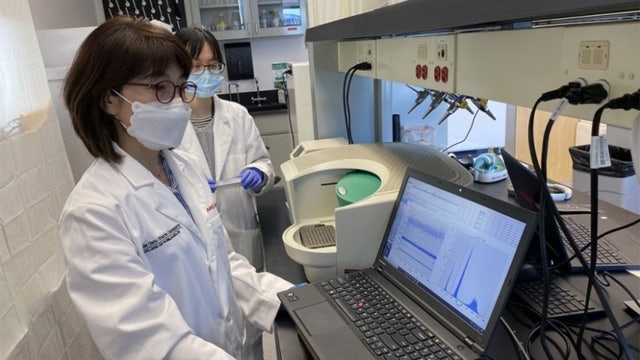

COVID-era testing method could help identify obesity, asthma, other health conditions
Health researchers are taking a lesson from the COVID-19 pandemic and showing how it can be used to track chronic disease and health behaviors, as well as demographic and socioeconomic conditions.
Health researchers are taking a lesson from the COVID-19 pandemic and showing how it can be used to track chronic disease and health behaviors, as well as demographic and socioeconomic conditions.
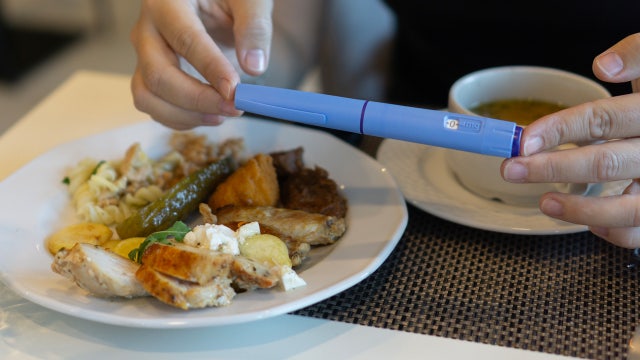

How to navigate Thanksgiving dinner on a GLP-1
Balanced portions can help people taking GLP-1s enjoy Thanksgiving while limiting digestive discomfort.
Balanced portions can help people taking GLP-1s enjoy Thanksgiving while limiting digestive discomfort.
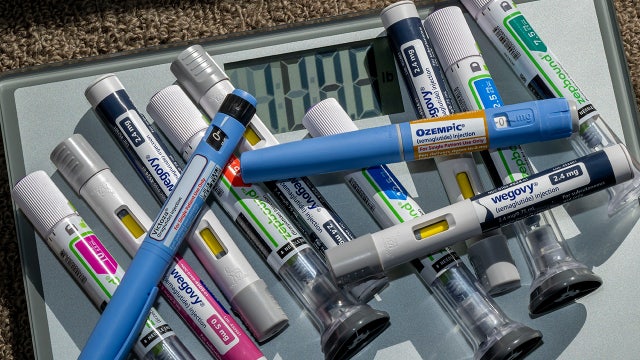

GLP-1 drugs getting new labels warning of rare vision-loss condition
All GLP-1 drugs, which include popular brands like Ozempic and Wegovy, will soon carry new labels warning people taking the medications about a possible side effect that could lead to permanent vision loss.
All GLP-1 drugs, which include popular brands like Ozempic and Wegovy, will soon carry new labels warning people taking the medications about a possible side effect that could lead to permanent vision loss.


Blood sugar spikes could hinge on the order you eat your food, study suggests
A simple change to the order in which you eat could help blunt blood sugar spikes, new research suggests, but experts say it's not necessarily a "quick fix."
A simple change to the order in which you eat could help blunt blood sugar spikes, new research suggests, but experts say it's not necessarily a "quick fix."