

Wisconsin breast cancer screening bill; Governor Evers signs 'Gail's Law'
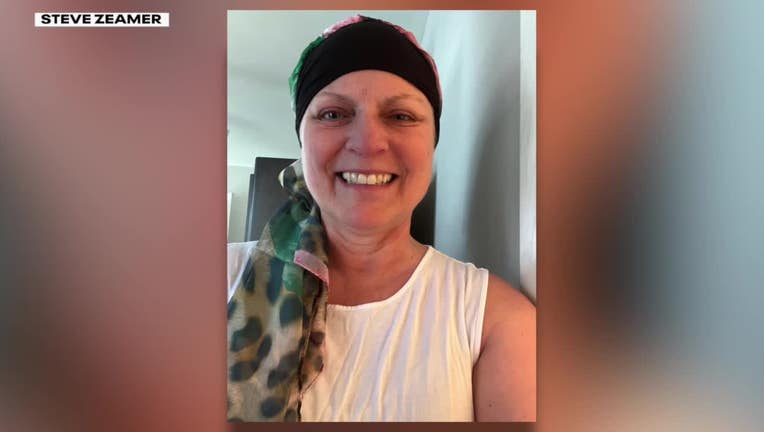
Gail Zeamer
MADISON, Wis. - Governor Evers on Thursday, March 19, signed "Gail’s Law" requiring health insurance policies, including BadgerCare, to fully cover medically necessary supplemental breast screenings or diagnostic breast examinations for those with dense breasts or who are at an increased risk of breast cancer.
What we know:
Gov. Evers signed the bill in honor of Gail Zeamer, a Wisconsinite who tragically passed away in 2024 after a late-stage diagnosis caused by undetected cancer in dense breast tissue.
The governor signed "Gail’s Law" at the Wisconsin State Capitol, surrounded by Gail’s husband, Steve, as well as Gail’s daughters, Sophie and Claudia, among others.
What they're saying:
"Gail Zeamer was a wife, a mother, and a fierce advocate, and hers is a story shared by countless women across this state each and every day. Unfortunately, the system failed her. But, today, thanks to Gail and her family and their relentless efforts, we’re working to fix the system to save lives and make sure Wisconsin women don’t have to go through the same thing she did," said Gov. Evers.
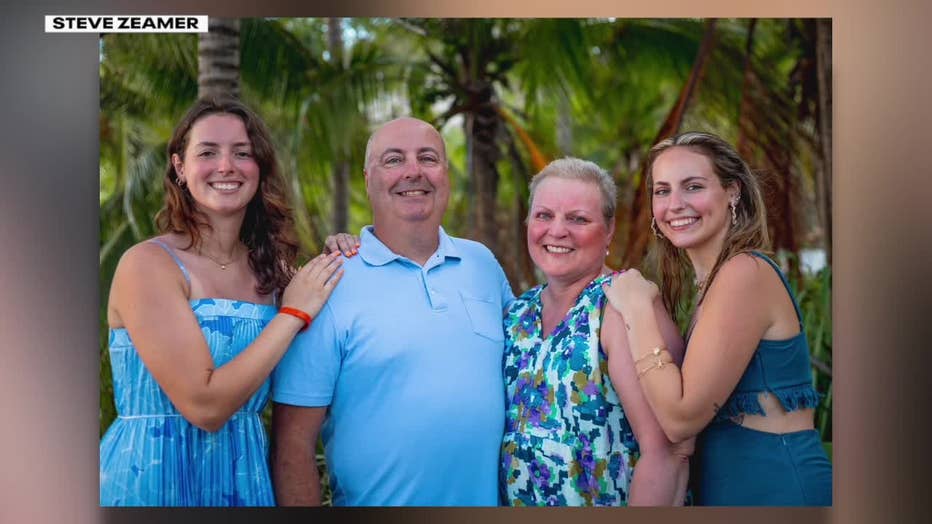
Gail Zeamer family
Fighting breast cancer
The backstory:
Gail Zeamer started this push about nine years ago, when she was fighting her own breast cancer battle. The proposal centers on dense breast tissue, which Zeamer had.
That dense tissue makes it harder to detect breast cancer in a regular mammogram. But it could more easily be spotted on an ultrasound or MRI.
Gail Zeamer had a clear mammogram in 2016, a week before she was diagnosed with Stage 3 breast cancer, which was noticed because it spread. Gail Zeamer died in 2024.
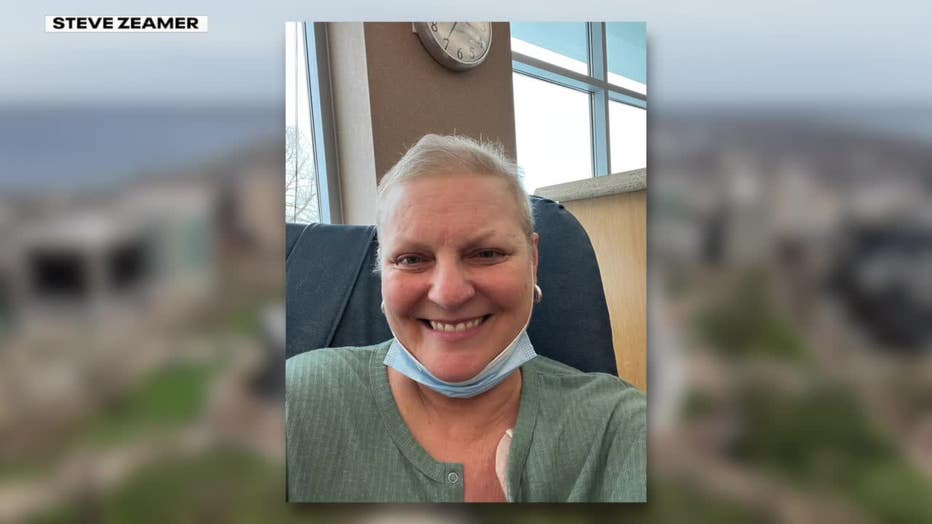
Gail Zeamer
The Wisconsin Breast Cancer Coalition estimates nearly 6,000 women a year will be diagnosed with breast cancer. Hundreds will die.
FREE DOWNLOAD: Get breaking news alerts in the FOX LOCAL Mobile app for iOS or Android
About Gail's Law
- Requires health insurance policies, including the state Medicaid program, to fully cover medically necessary and appropriate supplemental breast screenings or diagnostic breast examinations for individuals who are at higher risk of breast cancer or have heterogeneously or extremely dense breast tissue;
- Defines supplemental breast screening examinations to include the use of breast MRIs or breast ultrasound to screen for breast cancer when there is no abnormality seen or suspected based on personal or family medical history;
- Defines diagnostic breast examinations to include the use of breast MRIs, breast ultrasounds, breast tomosynthesis, and diagnostic mammography used to evaluate an abnormality seen or suspected from a screening examination for breast cancer or an abnormality detected through another means of examination; and
- Requires coverage regardless of whether the woman shows any symptoms of breast cancer.
- Policies or plans would not be able to impose a cost-sharing amount for any diagnostic breast examination or the first supplemental breast screening examination in a policy year. Cost-sharing may be imposed for any subsequent supplemental breast screening examinations in a policy year.
- The bill would take effect on the first day of the fourth month beginning after publication and first apply to policy or plan years beginning on January 1 of the year following the year in which the act takes effect. If a policy or plan is affected by a collective bargaining agreement, the bill would first apply to policy or plan years beginning on the effective date of the act or on the day on which the collective bargaining agreement is newly established, extended, modified, or renewed, whichever is later.
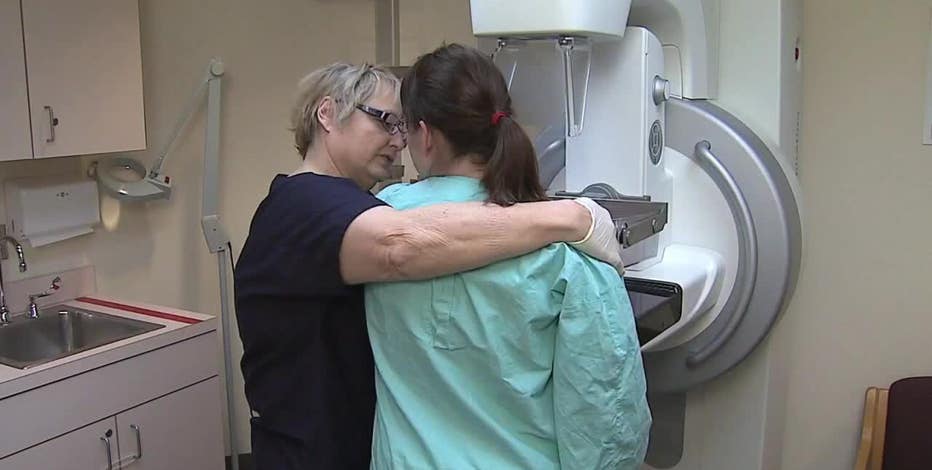
Battling breast cancer; Wisconsin bill could save lives of thousands
Supporters say a new Wisconsin bill could save the lives of thousands of women, and help fight breast cancer.
The Source: Information in this post was provided by the Office of Governor Tony Eers and the Wisconsin Breast Cancer Coalition