

What is corn sweat? Southeast Wisconsin feeling the heat

What is corn sweat?
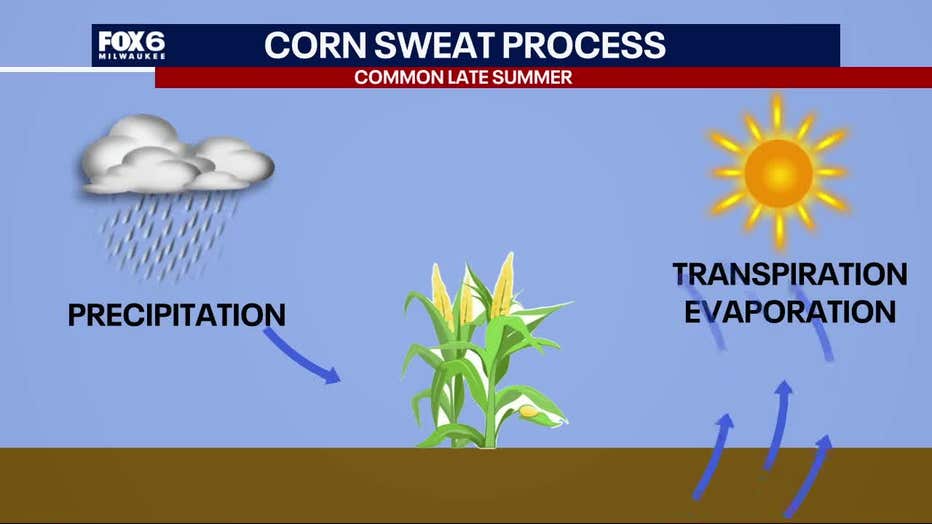
Corn sweat happens when plants absorb liquid water from the ground, then release it from the leaves as water vapor into the atmosphere.
WHITEWATER, Wis. - A weather phenomenon known as "corn sweat" is only making the recent heat worse.
Local perspective:
Even after 26 years, there's still room for a first on the farm. But Casey Kelleher with Reeb Farms in Whitewater said he has felt the corn sweat phenomenon.
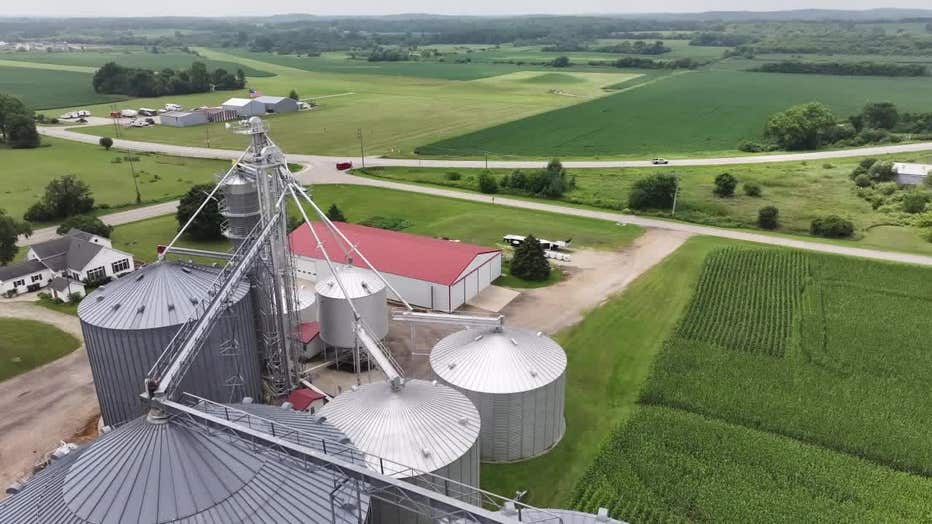
"I've never been asked about corn sweat before," Kelleher said. "Even when you go down an old country road and the corn's real tight to the road, if you get out, you can feel it — how much warmer it is on that road."
FREE DOWNLOAD: Get breaking news alerts in the FOX LOCAL Mobile app for iOS or Android
And now the conditions are just right for it across southeast Wisconsin. The official term is "evapotranspiration."
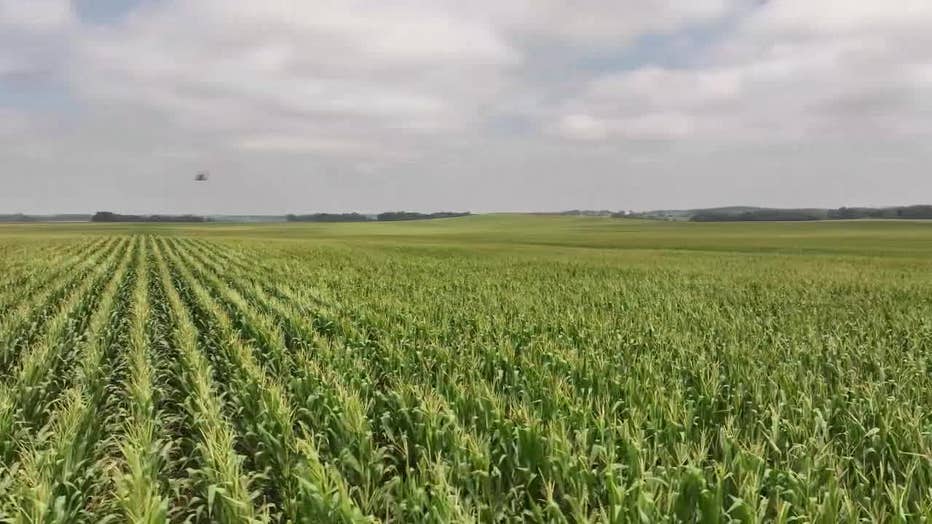
It happens when plants absorb liquid water from the ground, then release it from the leaves as water vapor into the atmosphere.
FOX6 Weather Expert Holly Baker says we tend to feel it when it's already hot and humid outside.
"So, they release the moisture into the air — and so that creates where you have all these very high humidity levels, so your dewpoints are typically higher during that time," Baker said.
Dig deeper:
The U.S. Geological Survey said just one acre of corn releases between three and four thousand gallons of water a day. That can drive the humidity higher, around 5 to 10 degrees.
It might mean more sweat for humans. But on the farm, Kelleher said it's a welcome sign of summer.
SIGN UP TODAY: Get daily headlines, breaking news emails from FOX6 News
"Yep, it feels like Florida, not Arizona," he said. "It sucks a lot of water out, but when it is working that quick and that much, it means the plant is that healthy."
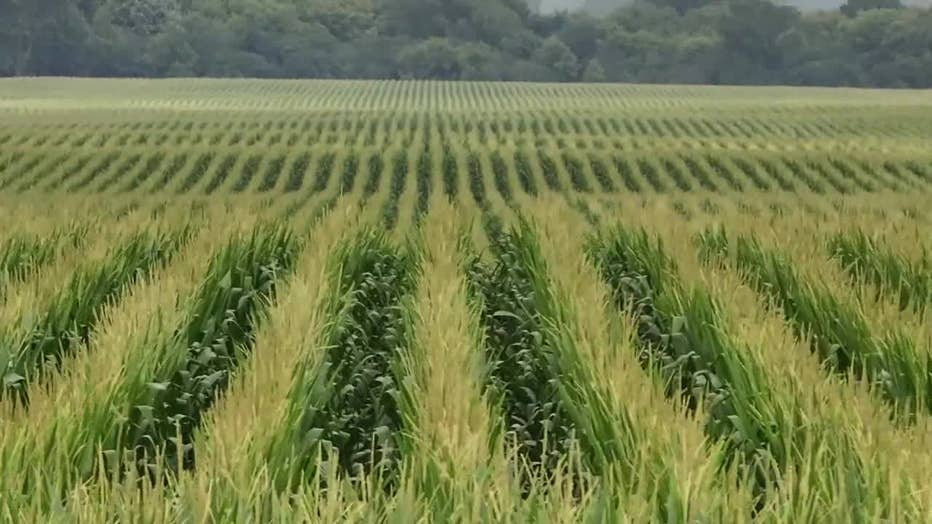
Last year, Wisconsin had nearly four million acres of cornfields, according to the U.S. Department of Agriculture.
Corn sweat is felt most in the upper Midwest, across what's known as the Corn Belt states and especially in the three biggest producers: Illinois, Indiana and Iowa.
The Source: The information in this post was collected and produced by FOX6 News.