

DNR: Ice conditions unpredictable in early winter, tips to stay safe
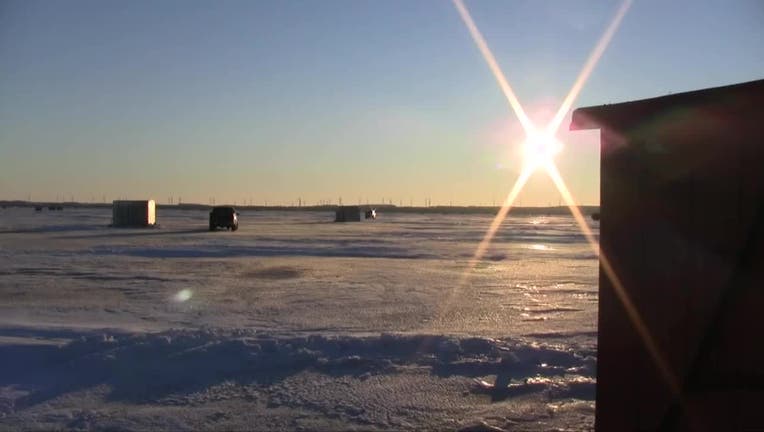
MADISON, Wis. - The Wisconsin Department of Natural Resources (DNR) encourages everyone enjoying the outdoors to be extra careful on the ice this winter season.
Ice conditions
What we know:
That includes staying alert to rapidly changing ice conditions that are common in the early parts of winter.
"Early in the season especially, ice conditions are unpredictable and can change quickly on Wisconsin's rivers and lakes. The ice covers hide the currents, debris and underground springs still feeding lakes and rivers, thinning the ice in spots," said Lt. Jacob Holsclaw, DNR Off-Highway Vehicle Administrator. "No matter if you're on foot, on a snowmobile or in UTV, it's important to remember that ice is never 100% safe."
The DNR does not monitor ice conditions, but they are monitored locally. Local fishing clubs, outfitters, and bait shops are the best sources for local, current ice conditions.
FREE DOWNLOAD: Get breaking news alerts in the FOX LOCAL Mobile app for iOS or Android
However, the best idea for safe winter fun is to enjoy outings without traveling over ice.
Conditions vary between, and across, waters
What we know:
If the outing does involve traveling over a body of water, remember they all have their own characteristics. Check if the lake has inlets, outlets or narrows, is spring-fed or has currents, all of which can thin the ice.
Some smaller lakes can have aerators that are run throughout the winter either covering a large area towards the center of the lake or may have smaller aerators placed by private property landowners adjacent to their shore and/or piers.
Just as important is to stay alert for pressure ridges or ice heaves. These can be dangerous due to thin ice and open water and often are created, move or grow with changes in temperatures and high winds.
Here are more safety tips:
- Carry a cell phone, and let people know where you are going and when you’ll return home.
- Wear proper clothing and equipment, including a personal flotation device or a float coat to help you stay afloat and to help slow body heat loss.
- Take an extra pair of mittens or gloves, so your hands can remain dry and warm.
- Wear creepers attached to boots to prevent slipping on clear ice.
- Carry a spud bar to check the ice while walking to new areas.
- Carry a couple of spikes and a length of light rope in an easily accessible pocket to help pull yourself – or others – out of the ice.
- Do not travel in unfamiliar areas – or at night.
- Have a plan in place noting where you will be and when you plan to return. Along with leaving a written note of your plans, it is also recommended to keep a charged cell phone.
Take extra care with vehicles
What we know:
According to the DNR, last season, several ATVs, UTVs, and snowmobiles went through the ice or drove into open water, resulting in six deaths.
Keep these safety tips in mind when operating vehicles during winter.
- Remember that UTVs are heavy. They are the heaviest recreational vehicle out on the ice, often being close to 3,000 pounds. This is similar to a car or truck.
- Roll your window down when traveling on the ice and make sure you can easily open your door.
- Drive slowly and turn the radio down so that you can use your eyes and ears to watch and hear for potential issues coming up.
- Make sure you have life jackets or some other type of floatation for every person in the UTV.
- Recovery for the UTV or other vehicle is the responsibility of the owner/operator. After 30 days, the owner can be fined each day after 30 days.
- Recovery rates for the machine can also be very expensive.
- Never consume alcohol or drugs before or during your ride.
Refer to the Wisconsin Snowmobile Regulations for laws for operational restrictions, safety tips and more.
The DNR also encourages all snowmobilers to take a safety education class. According to Wisconsin law, anyone at least 12 years of age and born after Jan. 1, 1985, must have a valid safety education certificate to operate a snowmobile. Sign up now as classes fill fast.
SIGN UP TODAY: Get daily headlines, breaking news emails from FOX6 News
If you fall in
What you can do:
If you go through the ice, here's what you should do:
- Carry a couple of hand-held spikes and a length of light rope in an easily accessible pocket or inside your sleeves to help pull yourself – or others – out of the ice.
- If you fall, stay as calm as possible and, while attempting to get yourself out of the water, call for help as soon as you can.
- Anyone who attempts to rescue you should use a rope or something similar to avoid falling through as well.
Visit the DNR's Ice Safety webpage for more information on staying safe on frozen waterbodies.
The Source: The Wisconsin Department of Natural Resources (DNR) sent FOX6 a news release.