

Milwaukee County treatment court celebrates most recent graduates
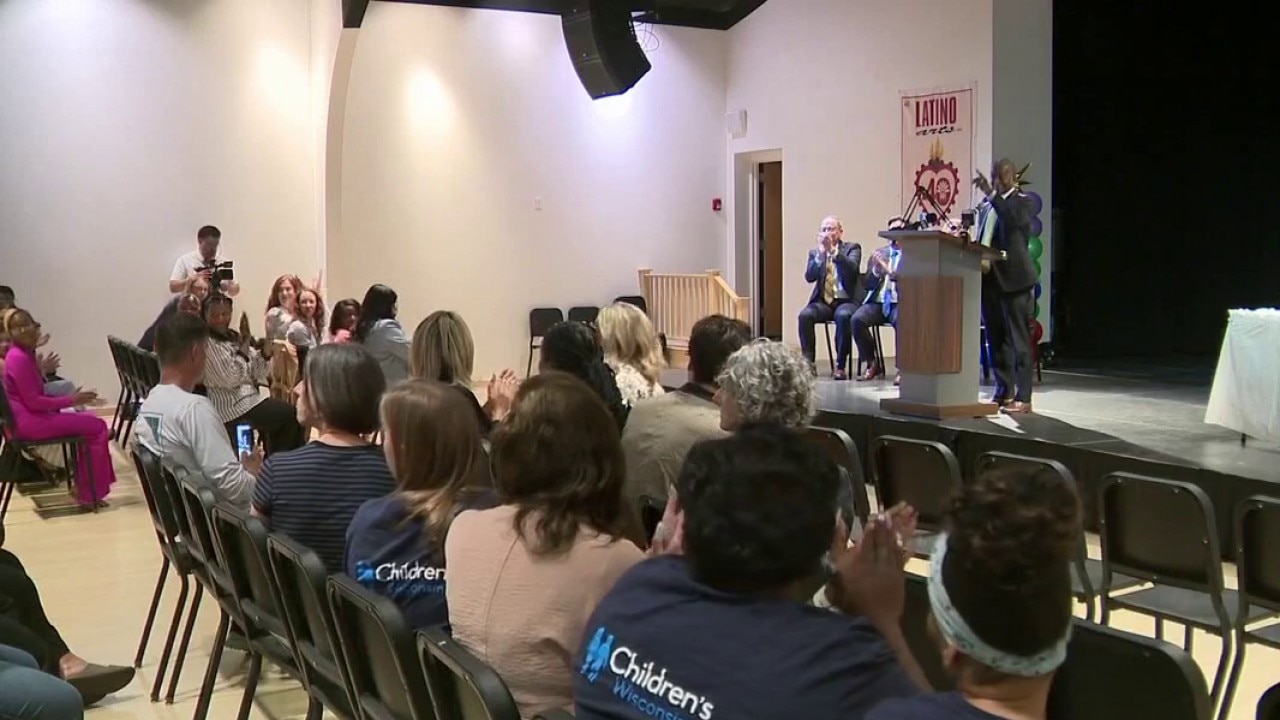
Milwaukee County treatment court graduation
Milwaukee County hosted its annual treatment court graduation ceremony on Friday, honoring the people who successfully completed the programs.
MILWAUKEE - For decades, the standard response to crime in America followed a predictable script: police make an arrest, the court hands down a sentence and a jail door closes.
That revolving door rarely solves the root problem for people battling substance use or mental health crises. That's where treatment courts come in.
FREE DOWNLOAD: Get breaking news alerts in the FOX LOCAL Mobile app for iOS or Android
What is treatment court?
By the numbers:
Instead of handing down prison time, treatment courts' specialized programs use legal accountability to push people into intensive, supervised recovery. Data shows it's working.
According to the National Institute of Justice, treatment courts slash re-arrest rates by up to 58% compared to traditional court sentences. It isn't just a temporary fix, either – research shows lower crime rates stick around for years after a treatment court participant graduates.
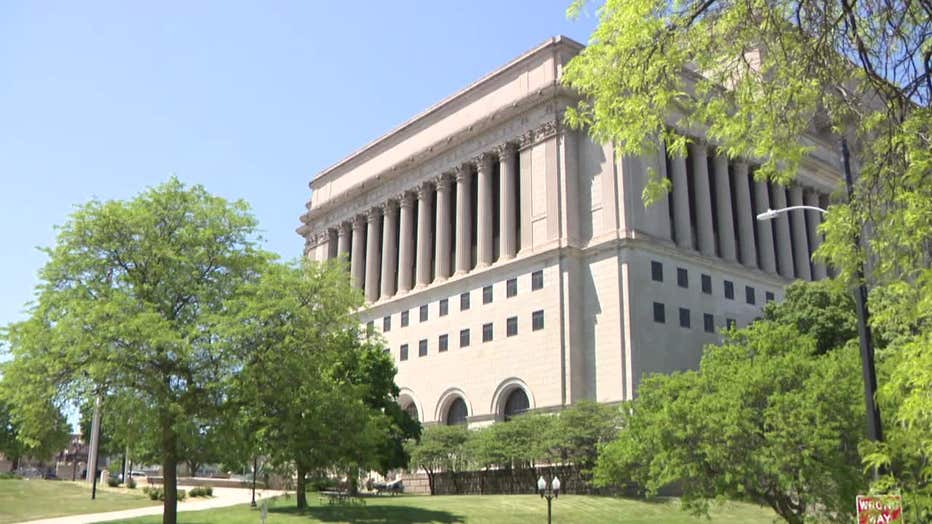
Milwaukee County Courthouse
So, how does the program get people to actually stick with it? It comes down to high stakes and strict supervision.
Participants face regular drug testing, mandatory check-ins with a judge and a requirement to secure housing or employment before they can graduate. People are six times more likely to stay in treatment long enough to actually get clean because of that pressure.
Milwaukee County graduates
Local perspective:
Milwaukee County hosted its annual treatment court graduation ceremony on Friday, honoring the people who successfully completed the programs. They were commended for their commitment to recovery and stability.
"Today, we gather to honor the remarkable achievements of the individuals who have shown an incredible strength, resilience and determination on their journey towards recovery and a brighter future," said Milwaukee County Chief Judge Carl Ashley. "A future that positively impacts their families, and our community."
The program is designed to help Milwaukee County residents rebuild their lives and reconnect with their families.
The Source: Information in this story is from Milwaukee County and the National Institute of Justice.