

Wisconsin storm, flooding cleanup safety tips courtesy of DHS

What to do if you have flood damage
The Milwaukee Department of Neighborhood Services has some tips for residents who have experienced residential flooding due to severe storms.
MADISON, Wis. - As people across Wisconsin are cleaning up after recent storms, and with more severe weather on the way, the Wisconsin Department of Health Services (DHS) urges residents and crews to take care while assessing damage or removing debris.
Avoiding injury
What we know:
DHS says downed power lines, broken glass, and metal are just some of the dangers people can come across after storms have passed. Avoid going inside any damaged structure until it has been checked by the gas and electric utility and a licensed contractor or building inspector to make sure it is safe for reentry.
SIGN UP TODAY: Get daily headlines, breaking news emails from FOX6 News
Other ways to avoid injury during cleanup:
- Wear sturdy shoes or boots, long sleeves, and gloves when handling or walking on or near debris.
- In general, anyone suspecting damage to their home, even if the damage isn't readily apparent, should shut off electrical power, natural gas and propane tanks to avoid fire, electrocution, or explosions.
- If the power is out, use battery-powered lanterns to light homes instead of candles. Candles could trigger an explosion if there is a gas leak.
- Never use gasoline, propane, natural gas, or charcoal-burning devices like camp stoves or generators inside a home, or even outside near an open window, door, or vent. Carbon monoxide from these sources can build up and cause illness or death.
It's also a good idea for people to make sure tetanus shots are up-to-date. Tetanus is caused by bacteria and often enters the body through puncture wounds, like those caused by nails.
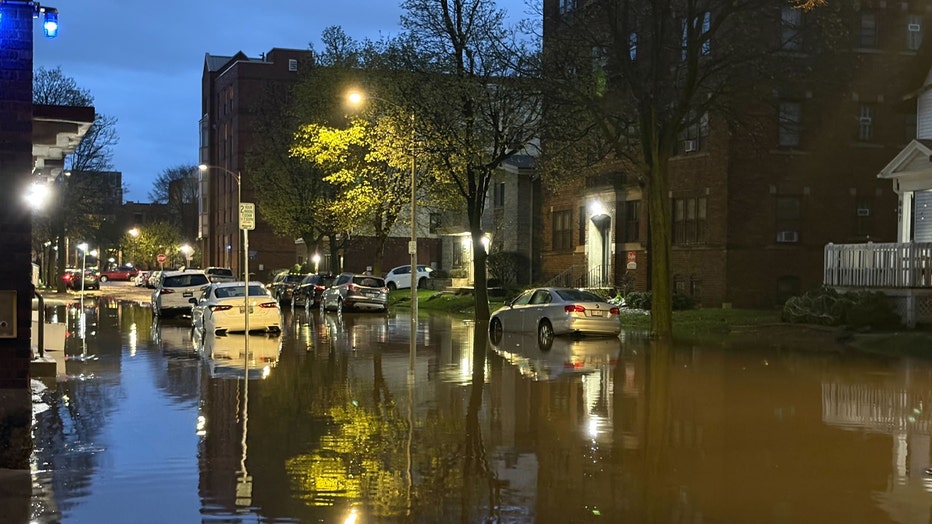
15th and Kilbourn, Milwaukee
Flood dangers
What we know:
DHS urges people to avoid injury or death during a flood by following the following tips:
- If water is rising near a home or other structure, people should get out immediately and move to higher ground.
- If someone must evacuate, they should lock doors and windows and turn off utilities at main switches or valves.
- Electrical appliances should be disconnected, but do not touch electrical equipment while wet or standing in water.
- No one should walk through moving water. Shallow water—even just a few inches—can move quickly and become dangerous, knocking an adult off their feet or carrying debris.
- Listen to public safety officials.
Here are some safety tips following the flood:
- Return home only when authorities say it is safe.
- Avoid driving or walking through areas that have flooded. Floodwaters often erode roads and walkways.
- Never wade, swim, or bathe in floodwater or waterways that have been flooded. Floodwaters may contain dangerous chemicals, bacteria, fertilizers and pesticides, and debris.
- Use extreme caution when entering buildings as there may be hidden damage, particularly to foundations.
FREE DOWNLOAD: Get breaking news alerts in the FOX LOCAL Mobile app for iOS or Android
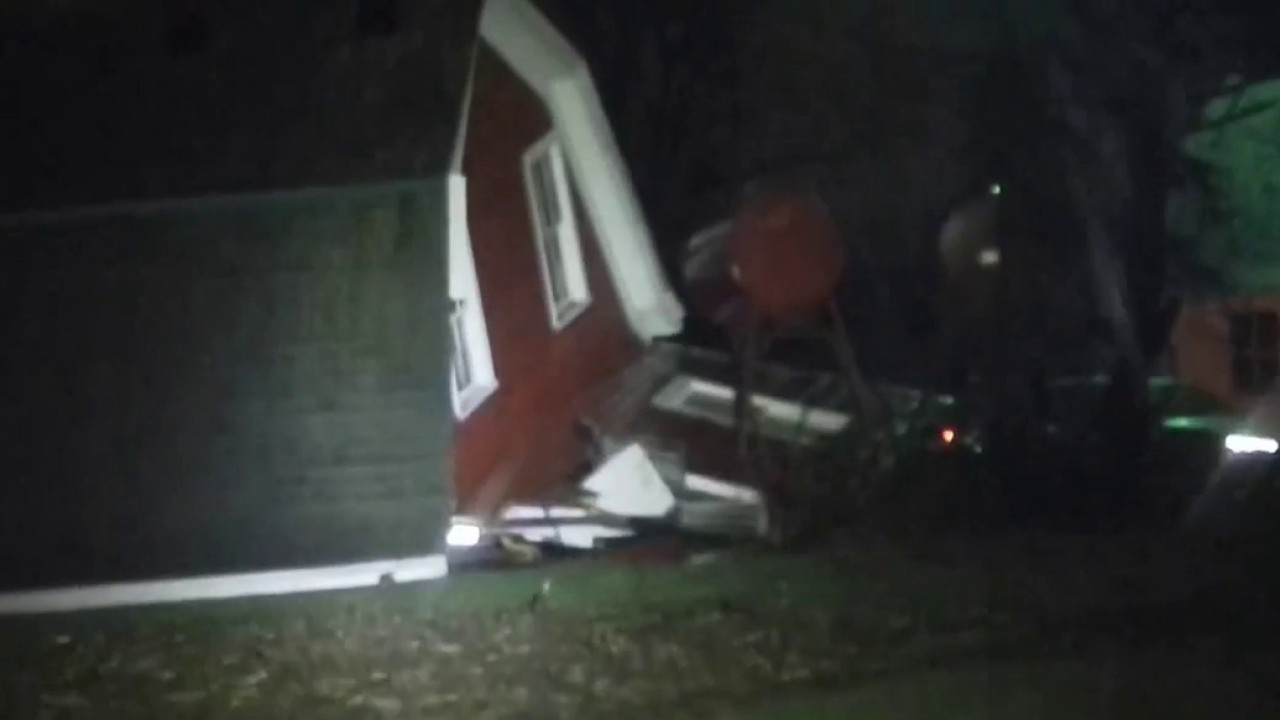
Milwaukee weather latest: Expanded severe threat for Friday
Southeast Wisconsin is anticipating another round of severe weather Friday following storms that brought wind, rain, hail, flash floods and, in some areas, tornadoes earlier this week. Follow the latest updates below.
Cleanup
What we know:
Mold
Once clean up begins, water damage can often lead to unhealthy mold growth within days of floodwaters receding. A professional with flood cleanup experience should be contacted to assess how serious a mold problem is, and the best way to remove it.
For more info, find resources on the DHS flood hazards and recovery page and mold cleanup page.
Private wells
The water from private wells impacted by floodwaters should not be used for drinking, preparing food, and bathing. Once the floodwaters recede, the well should be disinfected and then tested for bacteria.
Find more info on addressing a flooded private well, head to the DHS flooding and private wells page.
Wisconsin DNR private well contamination reminders amid rain, floods
The Wisconsin DNR said heavy rain and flooding, which have impacted communities across the state this week, could contaminate private wells.
Food safety
Keep food safety in mind. Never rely on appearance, taste, or smell to decide if food is safe to eat. When in doubt, throw it out. Throw out perishable food in your refrigerator after four hours without power or without a cold source like ice.
You can safely refreeze or cook thawed frozen food that still contains ice crystals or is at 40°F or below. Also, any food that was touched by floodwaters—even if it was stored in a waterproof container—should be thrown out.
FoodShare members who lost food purchased with benefits due to recent storms or power outages can request replacement benefits but must do so within 10 days of food loss. Information on how to request replacement benefits can be found on the DHS webpage.
More resources
Natural disasters can cause stress, anxiety, sadness, and depression. Help is available through the free, confidential Disaster Distress Helpline at 800-985-5990, or by calling or texting the 988 Suicide and Crisis Lifeline.
The Source: The Wisconsin Department of Health Services (DHS) sent FOX6 a news release.