

Crypto kiosk scams: New Wisconsin law protects consumers
Crypto kiosk scams: New Wisconsin law protects consumers
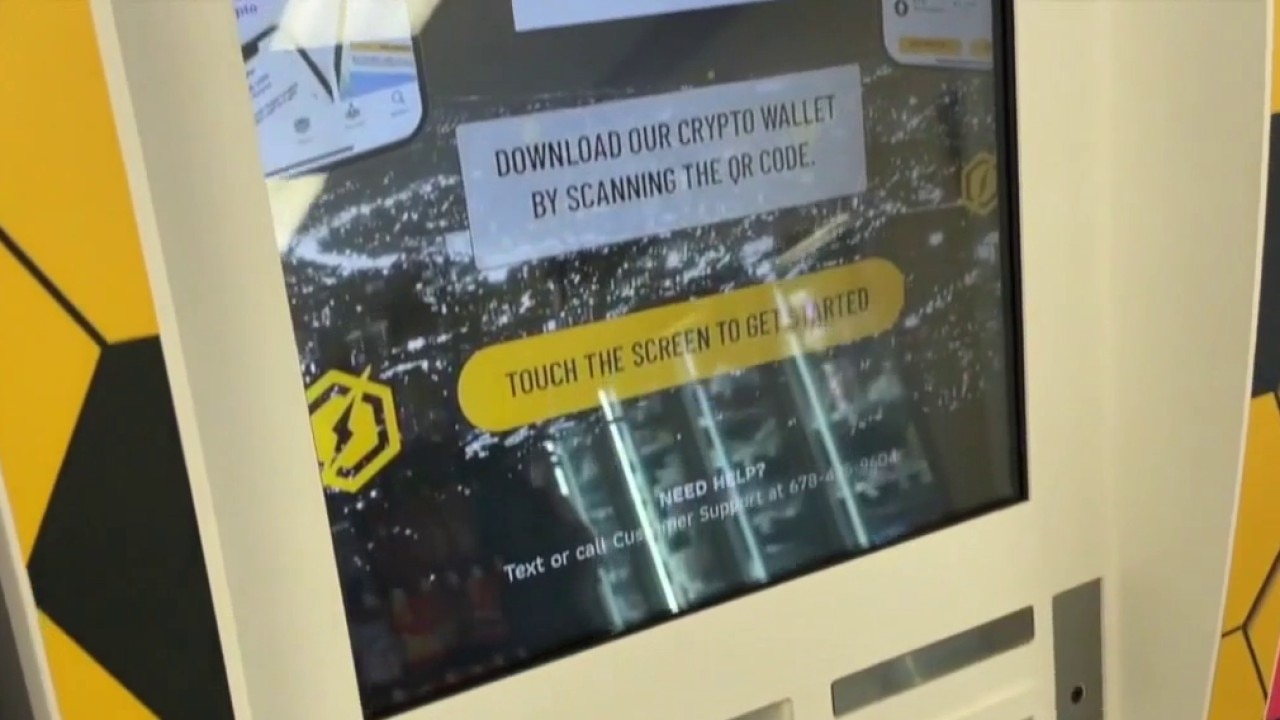
Cryptocurrency kiosks are a favorite tool of scammers looking to steal money, and a new Wisconsin law could spare people from falling victim.
MILWAUKEE - Cryptocurrency kiosks are a favorite tool of scammers looking to steal money, and a new Wisconsin law could spare people from falling victim.
Crypto kiosks
The backstory:
Scammers often rely on cryptocurrency kiosks to steal from their victims. Once the person sends their money via the kiosk, it can be nearly impossible to get it back.
FREE DOWNLOAD: Get breaking news alerts in the FOX LOCAL Mobile app for iOS or Android
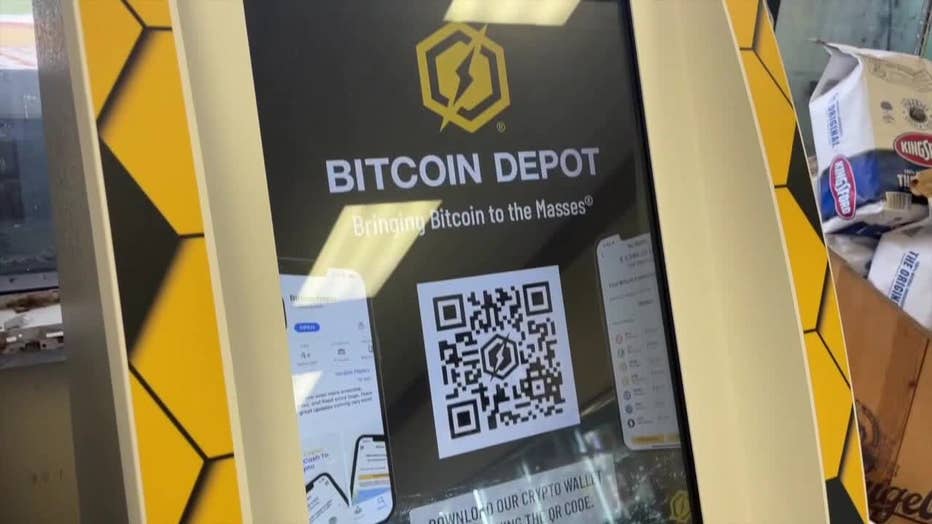
The machines can be found at gas stations and convenience stores. They're often referred to as Bitcoin ATMs or BTMs.
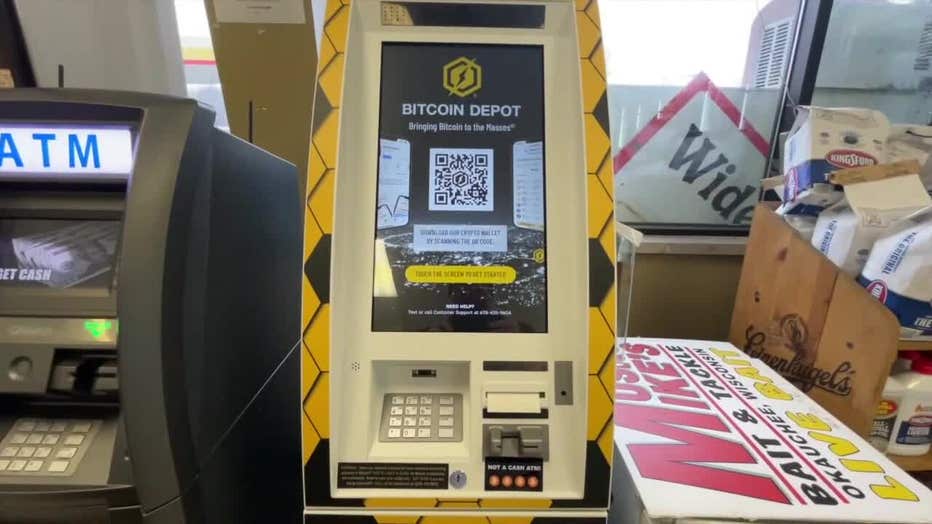
Scammers doing impersonation scams will often tell victims the kiosks are "secure payment portals." State officials say that's deceptive.
"(The scammers) really try and encourage customers to deposit their life savings into this machine," said Michelle Reinen, administrator for the state's Division of Trade & Consumer Protection.
New law
Why you should care:
The new Wisconsin law sets a $1,000 daily transaction limit for crypto kiosks. It also requires that signs be posted on machines warning users about scams. It's a big win for consumers who lose millions of dollars to cryptocurrency scams every year.
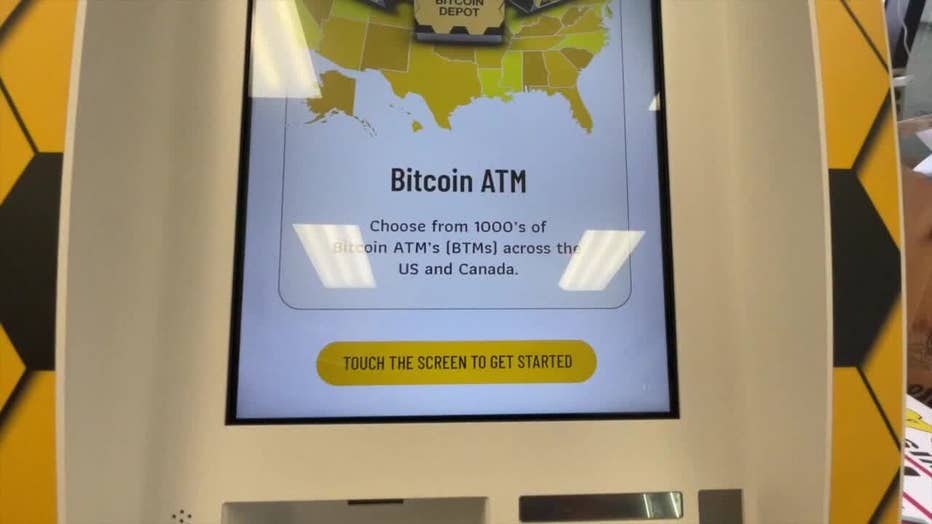
"Hopefully, that warning also reminds consumers not to go to a second machine to deposit more," said Reinen.
SIGN UP TODAY: Get daily headlines, breaking news emails from FOX6 News
What you can do:
The law also creates a path for victims to get their money back, as long as they do two things.
Within 30 days, they must notify the kiosk operator. They must also notify one of the following: local law enforcement, the Wisconsin Department of Justice or the Wisconsin Department of Financial Institutions.
Customers who take both steps may be eligible to get their money refunded.

Submit a Contact 6 inquiry
Here is how you can submit an inquiry with the Contact 6 team.
The Source: Information for this report comes from the Wisconsin Department of Agriculture, Trade and Consumer Protection.