

Madison police shooting: Bodycam, self-defense debates reignited
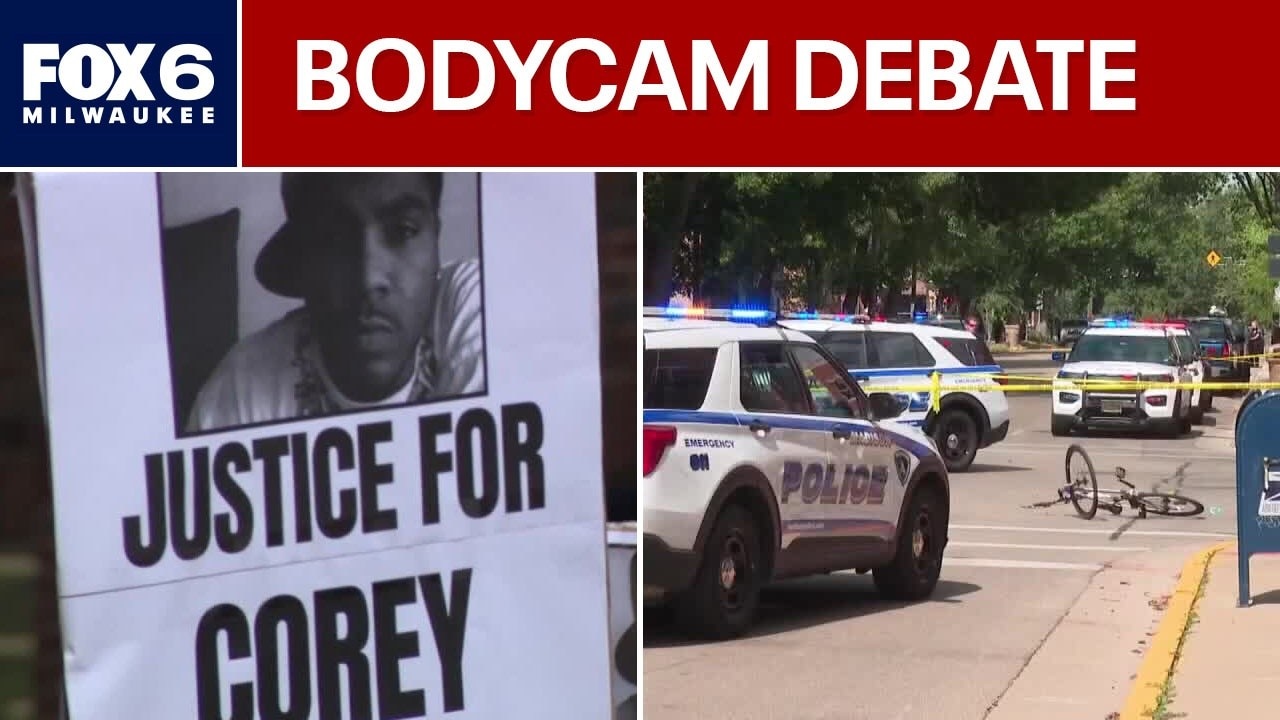
Madison police shooting reignites bodycam debate
The Madison Police Department does not have bodycams. The officer-involved shooting that killed Corey Ruiz has reignited the debate over the technology.
MADISON, Wis. - Madison is one of the largest cities in the state that does not have body-worn cameras. When used elsewhere, they have been crucial in providing a clearer picture when police are involved in the death of another person.
Bodycams in Wisconsin
The backstory:
In 2020, a state law created regulations for how law enforcement were to use, maintain and store bodycam footage. But it did not require agencies use them or provide funding for them.
FREE DOWNLOAD: Get breaking news alerts in the FOX LOCAL Mobile app for iOS or Android
Ruiz's death is now reigniting the debate as to why the second-largest city in the state does not use the technology. After prior efforts to fund bodycams were shut down, Madison Mayor Satya Rhodes-Conway said this week that she will include funding for them in her next budget.
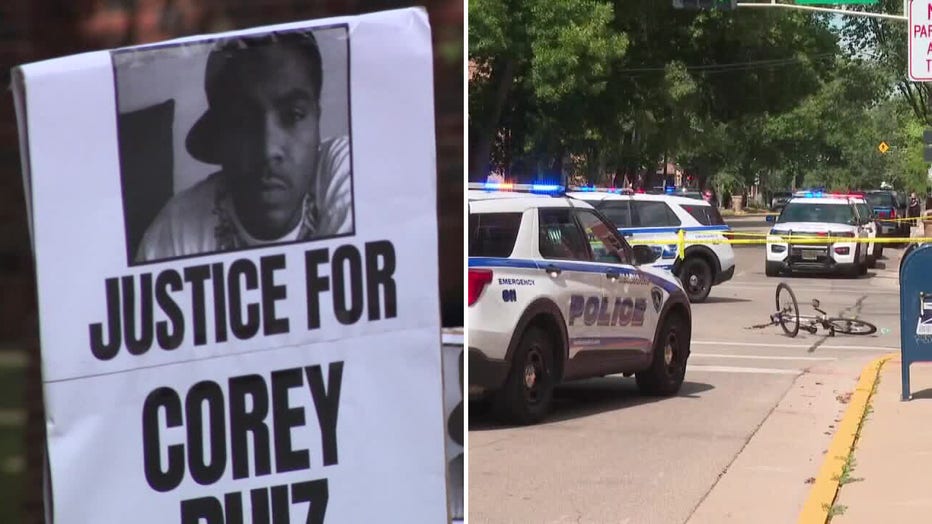
Corey Ruiz; Madison police scene on July 22, 2026 (Courtesy: WMTV-TV)
Self-defense threshold
The backstory:
While Ruiz's death is a homicide – at the hands of another – the Wisconsin Department of Justice's investigation is to determine whether the shooting of Ruiz was criminal or justified as self-defense, University of Wisconsin-Madison Law School Professor Ion Meyn explained Friday.
Meyn noted the legal threshold for using deadly force is the same for regular citizens and law enforcement.
SIGN UP TODAY: Get daily headlines, breaking news emails from FOX6 News
"Any use of deadly force is subject to a standard that applies to both civilians and to officers in terms of the technical law. And the law requires that if you're going to use deadly force against someone, there needs to be a reasonable basis that there's an imminent fear of great bodily harm or death. And so that's the standard that would justify the use of deadly forces, whether or not you're a civilian or you're an officer," he said.
"And so here, there has been a homicide. A person was shot by a firearm, and that was intentionally done. So the question is whether or not that is criminal, that it was intentional, or it was a homicide that had an affirmative defense that justifies the action and makes it non-criminal."
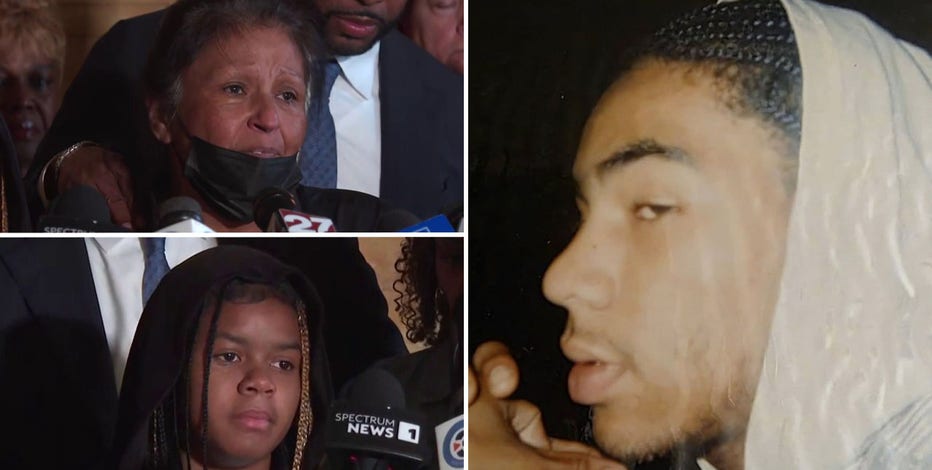
Madison police shooting: Corey Ruiz family, attorneys talk
Demonstrators marched overnight, demanding accountability after a man named Corey Ruiz was shot and killed Wednesday by police. The chief said the case is now being investigated as a homicide.
Wisconsin DOJ investigation
By the numbers:
In 2024, Wisconsin agencies reported to the state DOJ that, statewide, 18 people were killed in use-of-force incidents involving police: There were 27 in 2023, 11 in 2022 and four in 2021, when the DOJ began collecting that data.
What they're saying:
Because Ruiz was shot and killed by law enforcement, an outside agency is handling the investigation, as required by state law. In this case, the state DOJ's Division of Criminal Investigation will be handling that.
"What we do in our investigations of this type is we gather information as completely as possible, and we provide that information to the DA. A decision about whether charges are brought is a decision that's made by the DA, our role is to gather the facts as fully and thoroughly as possible," said Wisconsin Attorney General Josh Kaul in an interview with FOX6 News.
"The more information that can be gathered in any investigation, the better. And so, whether it's a video, and here – I know that folks are aware that certain videos have been uploaded to social media – whether there are videos that are taken by bystanders or by a dashcam or by body-worn camera, the more information we can gather, the more helpful that potentially can be to the DA making a charging decision. Those are important. They're also one component of many of, you know, in investigations. Typically, interviews of witnesses are conducted. Information is gathered at the scene that might shed light on the facts of a case. And so our role is to gather that information as thoroughly and comprehensively as possible. That's what we're committed to doing here and what we do in other officer-involved investigations."
Portions of this article were formatted using A.I. FOX6’s Bill Miston and an editor reviewed it for accuracy and tone prior to publishing.
The Source: Information in this story was gathered from the Wisconsin Department of Justice, Wisconsin Attorney General Josh Kaul and University of Wisconsin-Madison professor Ion Meyn.