

Wildfire smoke in Wisconsin: Another morning of dangerous air quality
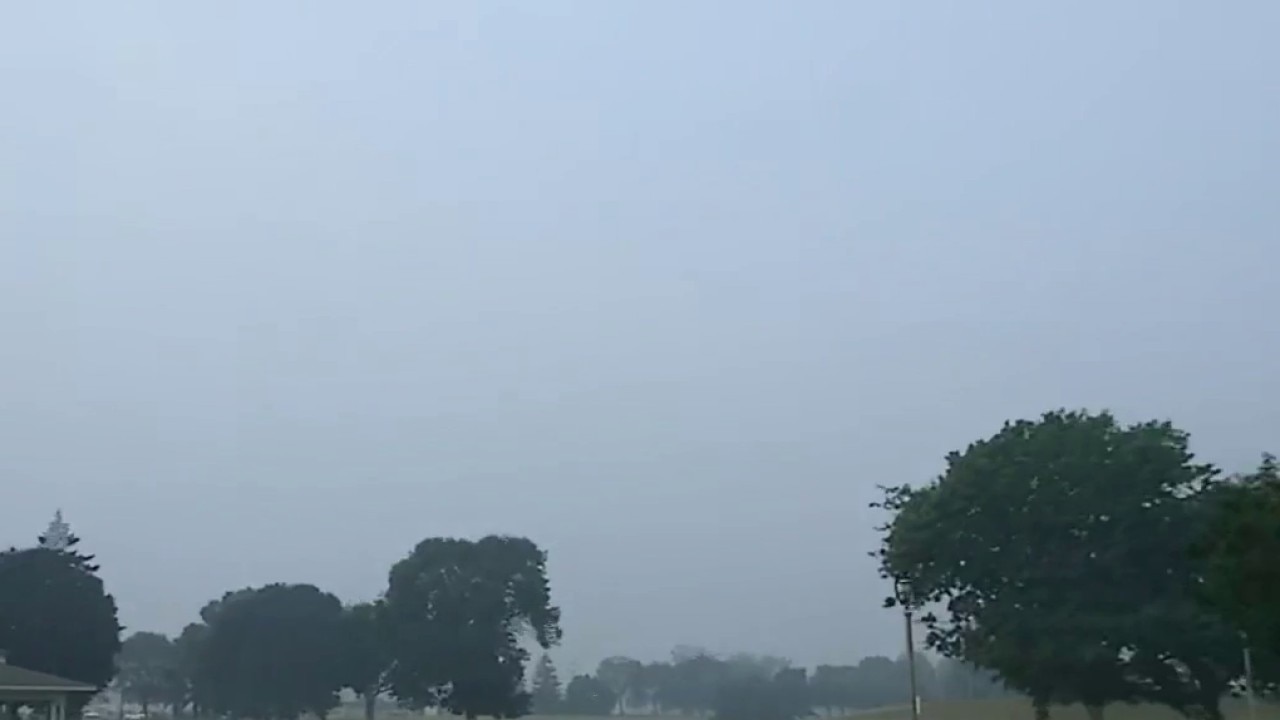
Air quality remains dangerous due to wildfire smoke
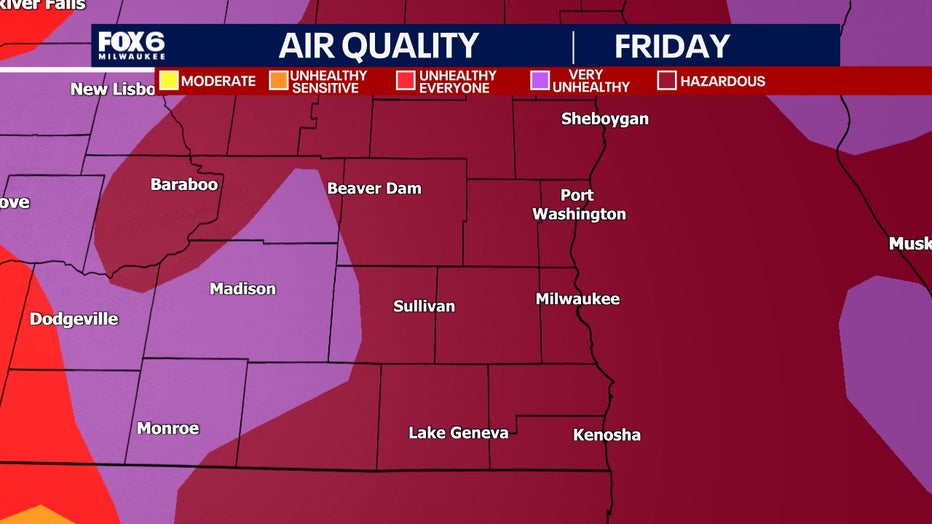
Smoky this morning with hazardous to very unhealthy air quality. Smoke will clear out during the afternoon as the wind shifts to the southwest.
A thick blanket of wildfire smoke continues to hang over southeast Wisconsin Friday, creating hazardous air quality and significantly reducing visibility across the region.
Smoke from large wildfires burning in northern Minnesota and northwestern Ontario has settled across southern Wisconsin, prompting the Wisconsin Department of Natural Resources (DNR) to continue its Air Quality Advisory until 12:00pm Friday, July 17.
When will it end?
What we know:
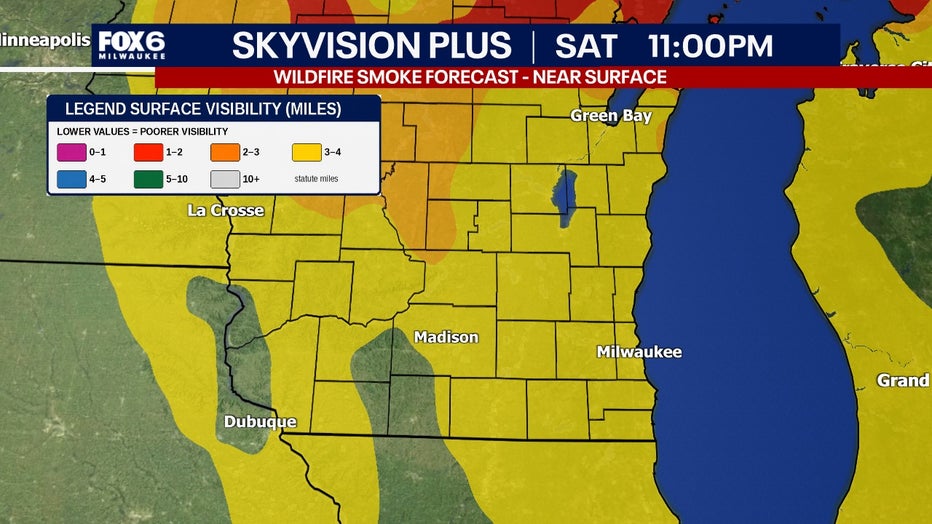
An incoming warm front will move through midday into the afternoon, pushing most of the wildfire smoke east of us and improving air quality significantly.
In its wake, temperatures will jump into the 90s and dewpoints will climb near 70. Heat indices may reach mid to upper 90s at times.
Wildfire smoke can come and go as fire conditions, weather patterns, and wind direction change. Smoke may return at times this weekend and until the wildfires are fully contained and under control.
It's important to continue monitoring local air quality forecasts and be prepared for changing conditions throughout the wildfire season.
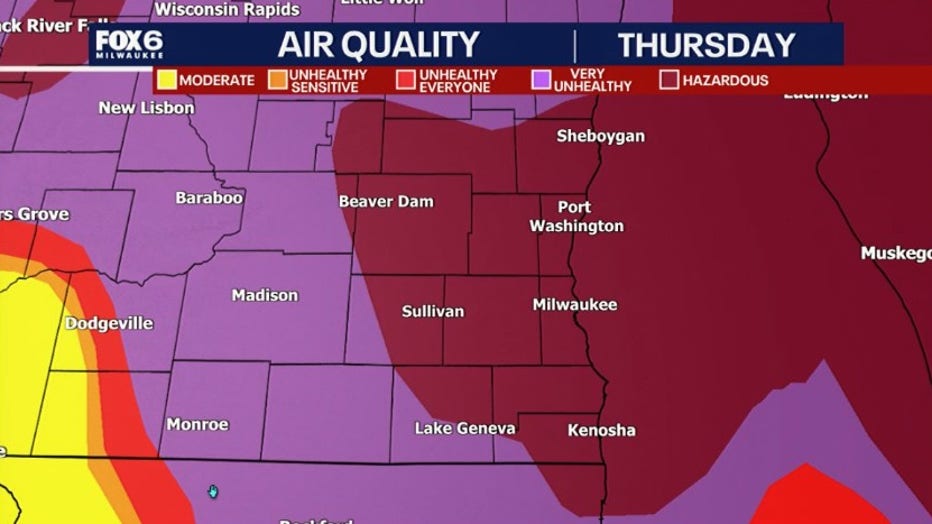
Air Quality Index in the hazardous range
Why you should care:
The Wisconsin DNR says air quality across southern Wisconsin is expected to range from Very Unhealthy (Purple) to Hazardous (Maroon) category.
Communities near Lake Michigan may experience enhanced smoke concentrations as winds interact with the shoreline.
The advisory currently runs through Friday at noon.
Everyone can be affected by wildfire smoke, but some people face a much greater risk.
Those most vulnerable include:
- Children and older adults
- Pregnant people
- Anyone with asthma or COPD
- People with heart disease
If you notice coughing, wheezing, shortness of breath, chest pain or unusual fatigue, move indoors and contact your health care provider if symptoms become severe.
How to protect yourself
What you can do:
If you live in southeast Wisconsin, the best strategy today is to reduce your exposure to the smoke.
- Limit strenuous outdoor activities.
- Keep windows and doors closed.
- Run your air conditioner on recirculate if possible.
- Use an air purifier if you have one.
- If you must be outside for an extended period, consider wearing a properly fitted N95 mask.
- Monitor local air quality before spending time outdoors.
The Source: The information in this post was provided by the FOX 6 Weather Experts; NWS Sullivan; and the Wisconsin DNR.