

Battle of Riva Ridge: How winter weather shaped WWII victory in Italy
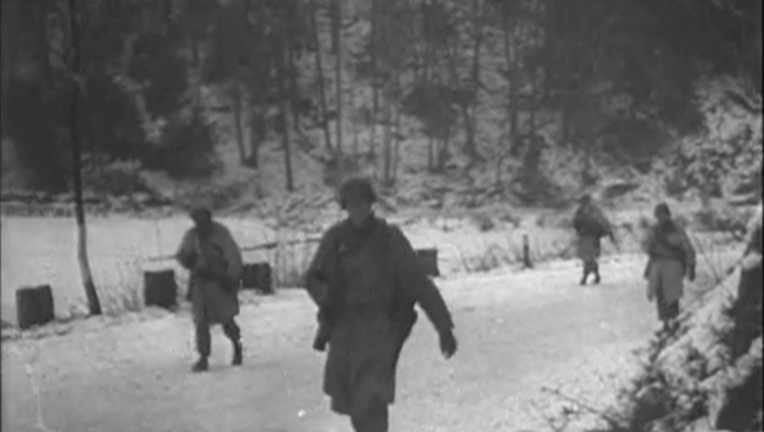
MILWAUKEE - On the night of Feb. 18, 1945, American soldiers did something the German defenders believed impossible: they climbed a 2,000-foot near-vertical face of Riva Ridge in the middle of one of the worst winters in European history and mounted a successful surprise attack.
What we know:
It has been 81 years since the Battle of Riva Ridge, part of Operation Encore in Northern Italy. The fight was not just against entrenched Nazi forces. It was also against snow, cold, altitude, exhaustion and the brutal realities of winter mountain warfare.
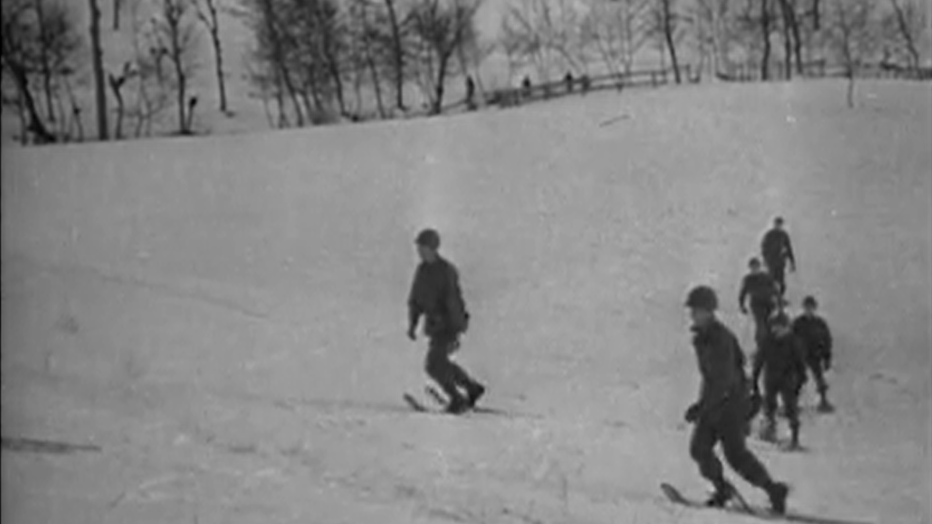
Winter battlefield in the Apennines
Timeline:
By February 1945, the 10th Mountain Division had already endured some of the harshest training the U.S. Army had ever implemented. The training was as much about the enemy as it was about the elements and the realities of life in the mountains.
Cold temperatures at elevation create a sort of paradox which is familiar to anyone who's worked in cold environments: sweating during the hard work like intense climbs, followed by intense cold when you slow down. In combat, that stress on the human body compounds exhaustion, reduces dexterity and increases the risk of frostbite and hypothermia.
FREE DOWNLOAD: Get breaking news alerts in the FOX LOCAL Mobile app for iOS or Android
From a meteorological standpoint, the division found a near-perfect winter assault window during what was otherwise near constant blizzard-like conditions. That night was cold with clear skies and just enough moonlight for visibility, which was enhanced by the reflectivity of the fresh white snow. Had another winter storm, cloud cover, strong winds or freezing rain set in, the climb could have become catastrophic.
Instead, the weather held and by dawn on February 19th they controlled the ridge line with only a single man wounded.
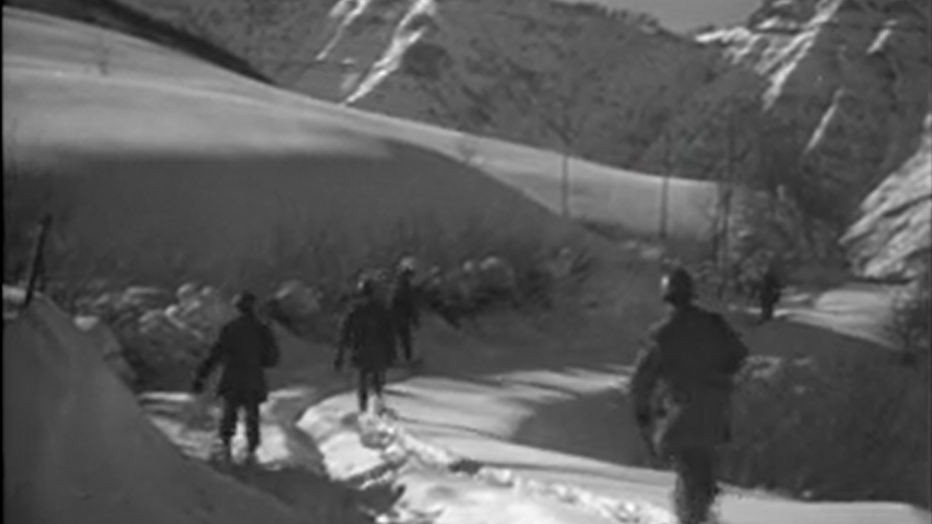
Why weather mattered strategically
Dig deeper:
The Battle of Riva Ridge demonstrates something meteorologists and military historians alike understand: weather is not background scenery. It is an active participant.
Snow reshapes terrain. Moonlight on the freshly fallen white snow can aid visibility and the frozen ground can dictate tactics.
Soldiers dealt with snow-covered landscapes, requiring white camouflage sheets and intense, close-quarters combat. The weather continued to hamper transportation and logistics, with Allied forces managing flooded roads and heavy, freezing mud in addition to the snow.
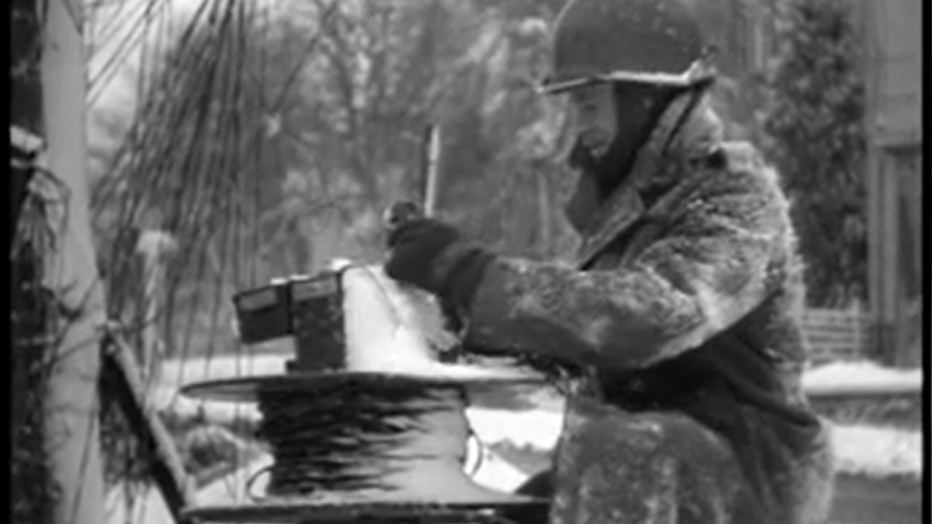
The efforts gave the Allied Forces a massive strategic win. German observers on the ridge had previously been able to direct artillery onto Allied movements below, but once the 10th Mountain Division secured the high ground, that advantage vanished.
SIGN UP TODAY: Get daily headlines, breaking news emails from FOX6 News
The 10th Mountain Division truly fought a two-front war. One against a determined enemy and the other against the unforgiving realities of winter.
They won both.
The Source: The Wisconsin Weather Experts; National War Museum nationalww2museum.org