

Wisconsin woman turns $4,400 crypto scam loss into advocacy
Wisconsin woman turns $4,400 crypto scam loss into advocacy
Experts from Wisconsin’s DATCP report that imposter scams are rising sharply, with projected 2025 losses exceeding $12.5 billion.
BROWN DEER, Wis. - When she visited FOX6 News in March, 71-year-old Karin Schmeling got to meet all her favorite FOX6 Weather Experts. "I’m just star struck, this is so cool," she said as she posed for pictures with the likes of Holly Baker, Tom Wachs and Lisa Michaels.
But Schmeling wasn’t at the station for a tour and selfies. Schmeling came to tell her story.
Karin's story
The backstory:
In fall 2023, Schmeling was home alone on her computer.
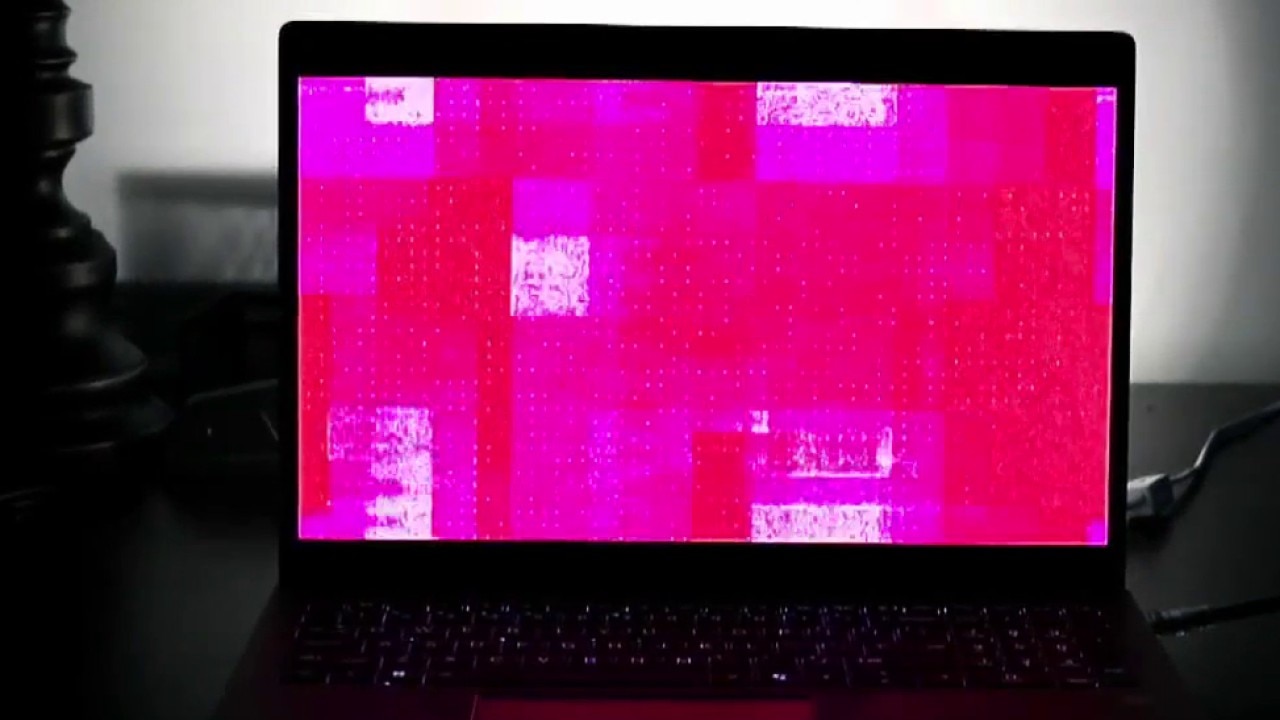
"The whole screen lit up scarlet with a siren that was deafening," Schmeling said.
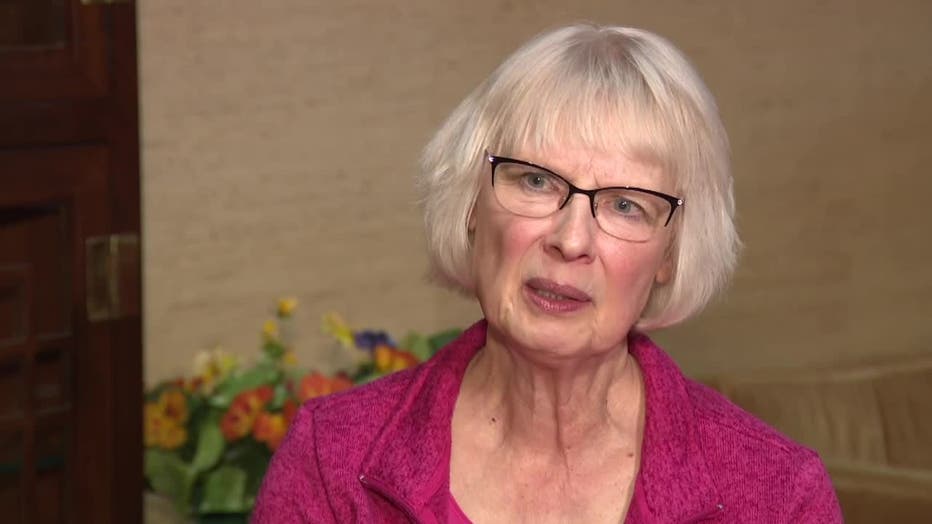
Karin Schmeling
The warning came with a telephone number for Microsoft. On the other end of the call, Schmeling said a woman told her the computer was hacked by someone who was purchasing child pornography in China. Schmeling's bank account information was compromised. The woman offered to transfer the call to Schmeling’s bank in Greenfield. That’s when the nightmare really began.
FREE DOWNLOAD: Get breaking news alerts in the FOX LOCAL Mobile app for iOS or Android
"It ultimately felt like I was being taken hostage – it was a kidnapping," Schmeling recalled. "An emotional kidnapping."
In order save her money from hackers, Schmeling was told to withdraw all her funds and store it in something called a federal safety locker. Schmeling was only able to take out $4,500 cash. She was instructed to deposit the money in a cryptocurrency kiosk at a nearby liquor store.
"If you’ve ever had an out-of-body experience where you’re looking at yourself looking like a crazy person – part of me is thinking, ‘Stop, don’t do this,'" Schmeling said. "The other part is saying, 'Just fix it. Just fix it, and you’ll be OK.’"

Karin Schmeling
Schmeling put $100 bills into the machine one-by-one. After feeding the machine $4,400, she said the machine spit back her last $100 bill. It was an old bill and wouldn’t take. Schmeling told her "banker" who stayed on the phone with her the entire time.
"He said, don’t worry about that,' Schmeling said. "You just keep that as your gift to you for taking care of it so quickly. That’s when it hit me. I felt like someone had thrown a coconut cream pie right in my face. It suddenly hit me – this is a scam."
"This is a scam"
Dig deeper:
"They are trying to catch us off guard. Whether it be a quick response because we’re busy or distracted with everything else we’re doing – or they are trying to put fear into us to catch us off guard in responding," said Michelle Reinen from her office in Madison.
Michelle Reinen
For more than 30 years, Reinen has tackled fraud and scams for the Wisconsin Department of Agriculture, Trade and Consumer Protection (DATCP). Reinen said imposter scams, like what happened to Schmeling, are on the rise.
SIGN UP TODAY: Get daily headlines, breaking news emails from FOX6 News
"Americans – Wisconsinites specifically – are losing money because of this," noted FOX6's Bret Lemoine.
"Absolutely," Reinen responded. "We have data from the Federal Trade Commission on the first three quarters of 2025…It shows we’re on track to have lost more money in the US in 2025 than we did in 2024."
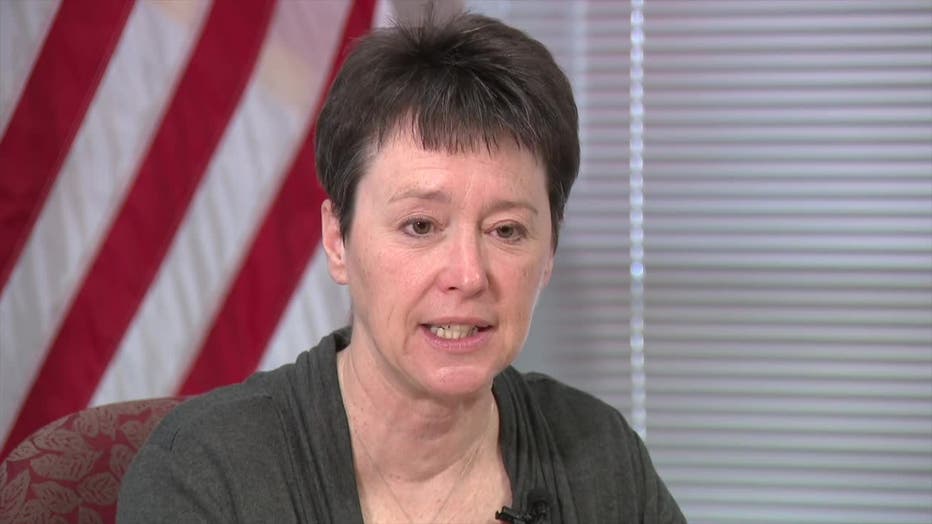
Michelle Reinen
It adds up to more than $12.5 billion.
Tools to help
What we know:
In September 2025, Reinen and her team launched a new way to combat scams and fraud. It’s right at your fingertips:
"So, we’re at our website here at DATCP.wi.gov," Reined said, typing away at her keyboard.
Four separate toolkits are available for the public to use, covering topics like identity theft and online shopping. There are crossword puzzles, PSAs and even posters to help spread the word. But the biggest resources are ready-made presentations.
Reinen hopes community groups use them to supplement the more than 500 free presentations DATCP already gives throughout the state.
Reinen said more money is lost through social media scams than any other sector. She said people in their 20s are reporting losing money to fraud more often than people in their 70s.
What they're saying:
"In general, do people ever see their money again?" Lemoine asked.
"We have been able to return money to some consumers or through the greater good of all the different actions taken," Reinen said. But most people don’t get their money back. Reinen says the reason crypto scams are so widespread is because they are hard to trace.
DATCP's toolkit
What you can do:
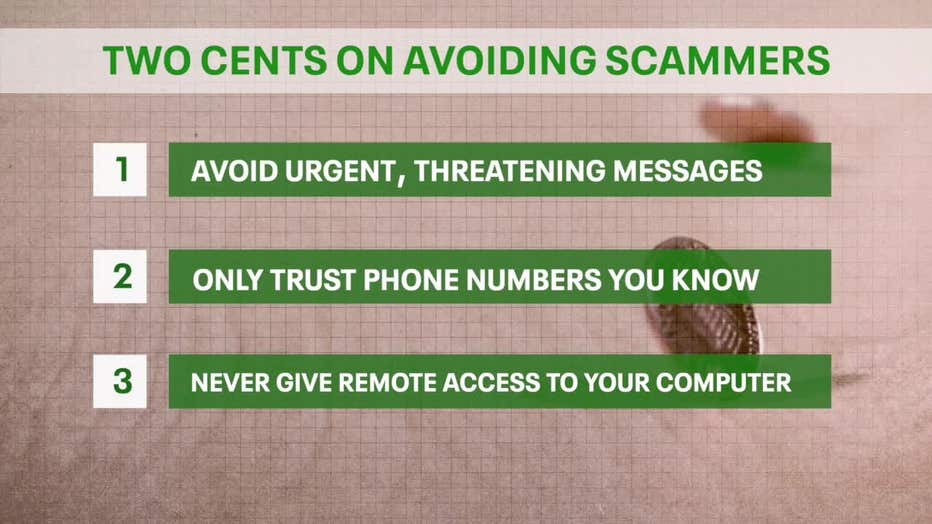
Here are a few tips from DATCP’s toolkit to avoid being taken advantage of:
- Avoid urgent, threatening messages. Instead, verify information straight from the source.
- Only trust phone numbers listed on your bills and on the back of the cards in your wallet. If someone unknown to you reaches out, tell them you’ll call them back through you financial institution’s main number.
- Never give remote access to your computer.
"I kept thinking – what do people do when this happens? Who do they talk to? What more can be done?" said Schmeling. "This has got to be happening to other people."
Advocacy for others
What's next:
Schmeling never got her money back. Instead, she said she found something more valuable. Schmeling now volunteers with AARP, sharing her story with others.
Much like a storm warning issued by FOX6 Meteorologists, Schmeling hopes to sound the alarm for others about scams. Schmeling does not want anyone to lose their money or sense of security the way she did.
"We all have a calling," Schmeling said. "And sometimes our calling finds us – we don’t find it, it finds us. This found me in a terrible way."
The Source: Information in this post was provided by the Wisconsin Department of Agriculture, Trade and Consumer Protection (DATCP) and included an interview with Karin Schmeling.