

Wisconsin deer EHD outbreak reaches Fond du Lac, Jefferson counties
MILWAUKEE - An epizootic hemorrhagic disease outbreak among deer in southeast Wisconsin has expanded into Fond du Lac and Jefferson counties over the past week, according to data from the state Department of Natural Resources.
EHD cases totals
By the numbers:
The DNR is monitoring an epizootic hemorrhagic disease – or EHD – outbreak that was first reported in Washington County deer. Reported cases have since spread to nearby counties, including Fond du Lac and Jefferson for the first time this week.
FREE DOWNLOAD: Get breaking news alerts in the FOX LOCAL Mobile app for iOS or Android
Total number of sick/dead deer reported as of Sept. 28:
- Dodge County: around 80
- Fond du Lac County: less than 10
- Jefferson County: less than 10
- Milwaukee County: around 10
- Ozaukee County: around 90
- Washington County: just over 1,200
- Waukesha County: just over 400
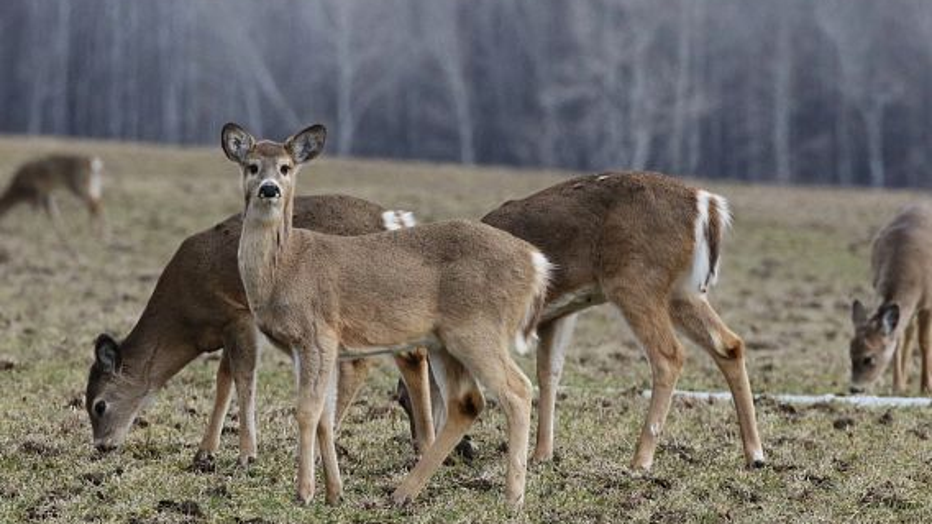
Michelle Woodford/Wisconsin DNR (Michelle Woodford/Wisconsin DNR)
The backstory:
Last week's report, Sept. 22, had cases in Washington County at just over 1,100. An initial DNR report in mid-August estimated "as many as 100" deer had died from EHD. At that time, DNR deer herd health specialist Erin Larson said the outbreak was considered larger than normal.
The average outbreak typically sees 30 to 50 deer deaths, according to the DNR. The highest number of deer deaths in a single Wisconsin county is estimated at 226, when the DNR tracked a seven-county outbreak in southeast Wisconsin in 2019.
What is EHD?
Dig deeper:
Epizootic hemorrhagic disease, or EHD, is a virus that impacts white-tailed deer and other hoofed animals, according to the Wisconsin DNR. The disease is most often fatal and usually kills the animal within a week of infection.
When the disease regularly occurs in a deer herd population, death rates are lower, typically killing less than 25% of the deer population. However, in areas like Wisconsin, where the disease is less common, death rates are usually higher, and high-density herds will suffer higher fatality rates.
EHD is transmitted by biting flies, usually midges, so the disease is typically most prevalent when the fly population is most abundant, in late summer and fall. The virus cannot last long outside the insect or its host.
Featured
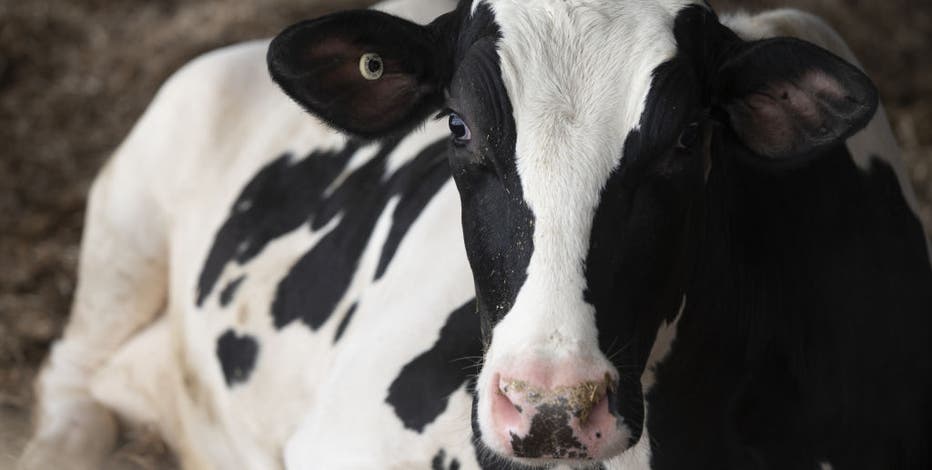
Waukesha County cattle test positive for EHD
The Wisconsin Department of Agriculture, Trade and Consumer Protection (DATCP) confirmed that samples collected from non-lactating dairy cattle in Waukesha County tested positive for the virus that causes epizootic hemorrhagic disease (EHD).
Clinical Signs:
Symptoms of the infection in deer vary depending on what stage of the disease the deer are in and how long they have been infected. Potential signs of infection include:
- A lack of fear of humans
- Excessive salivation
- Foam present around the nose (sometimes with blood)
- Look weak despite having a good body condition
- Appear to have parts of the body swollen (usually the head and neck)
The deer will also often appear near water sources, as they head there to try to combat their high fevers and dehydration.
Can people, pets get EHD?
Why you should care:
The disease does not pose a risk to humans. Humans cannot contract the virus by handling infected deer, eating venison, or being bitten by infected insects. It also does not impact common household pets, such as cats and dogs, according to Idaho Department of Fish and Game.
Will EHD affect the deer hunt?
Local perspective:
The 2026 deer season will occur as outlined in the current regulations and without any reductions to harvest opportunities, the DNR said Sept. 22. Given the history of deer harvest and current population size, the affected areas can still support an antlerless harvest. While some area may experience high mortality from the disease, populations rebound quickly.
Reporting sick or deceased deer
What you can do:
If you spot a deer carcass or a deer that appears sick, you can report this to the Wisconsin DNR by emailing the agency at DNRWildlifeSwitchboard@wisconsin.gov or by calling 608-2267-0866. When you contact Wisconsin DNR, include the following:
- The number of dead deer
- If the deer is sick or dead
- The specific location where you saw the deer, including the county
- Your contact information
You do not have to report deer that you see killed on the roadway for health reporting. The department also does not have the resources to remove the dead deer.
The Source: FOX6 News reviewed data from the Wisconsin Department of Natural Resources and referenced prior coverage of EHD in deer, including information from earlier interviews and details from the Idaho Department of Fish and Game.