

Viral hepatitis elimination plan; DHS launches dashboard to track progress
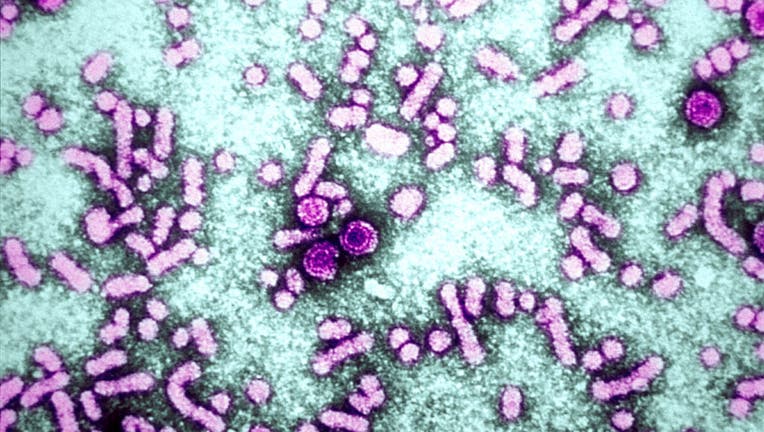
Hepatitis B Virus Hbv "Dane Particles", Or Virions. (Photo By BSIP/UIG Via Getty Images)
MILWAUKEE - The Wisconsin Department of Health Services (DHS) marked Hepatitis Awareness Month by introducing a new viral hepatitis elimination plan and a public dashboard to track the state's progress.
Elimination plan
What we know:
The plan targets the elimination of viral hepatitis by 2030. It was based off the Centers for Disease Control and Prevention (CDC) Viral Hepatitis National Strategic Plan.
According to a news release, it will guide statewide efforts to improve testing, vaccination, and treatment of hepatitis A, B, and C to reduce death and illness associated with viral hepatitis infection.
FREE DOWNLOAD: Get breaking news alerts in the FOX LOCAL Mobile app for iOS or Android
The plan details how DHS will collaborate with statewide partners, focusing resources on the populations most disproportionately impacted by viral hepatitis.
Elimination plan key goals:
- Data and surveillance: Wisconsin DHS will use its data systems and collection strategies to better inform viral hepatitis testing, treatment, and vaccination practices and provide transparent and accurate surveillance reports to Wisconsin residents, clinicians, and community partners.
- Awareness, education, and resources: Wisconsin DHS will employ a variety of strategies to promote awareness of and reduce stigma around viral hepatitis. Resources and education about viral hepatitis prevention and treatment will be made available to Wisconsin residents.
- Clinical strategies: Residents of Wisconsin will have greater access to comprehensive and equitable clinical services for viral hepatitis. This includes vaccination efforts for hepatitis A and B.
Wisconsinites can protect their health by:
- Getting vaccinated for hepatitis A and B.
- Talking with health care providers about getting tested for hepatitis B and C. It is recommended everyone 18 years of age and older get tested for hepatitis B and C at least once in their lifetime and for pregnant people to get tested for hepatitis B and C during every pregnancy.
Public dashboard
What we know:
Progress can now be tracked via a public dashboard, which provides data on hepatitis A, B, and C across the state.
The dashboard will undergo annual updates and will analyze data from several data sources, including public health disease data, the Wisconsin Immunization Registry (WIR), and Wisconsin Vital Records.
The Source: The information in this post was provided by the Wisconsin Department of Health Services.