

New prostate cancer guidelines recommend more frequent screenings
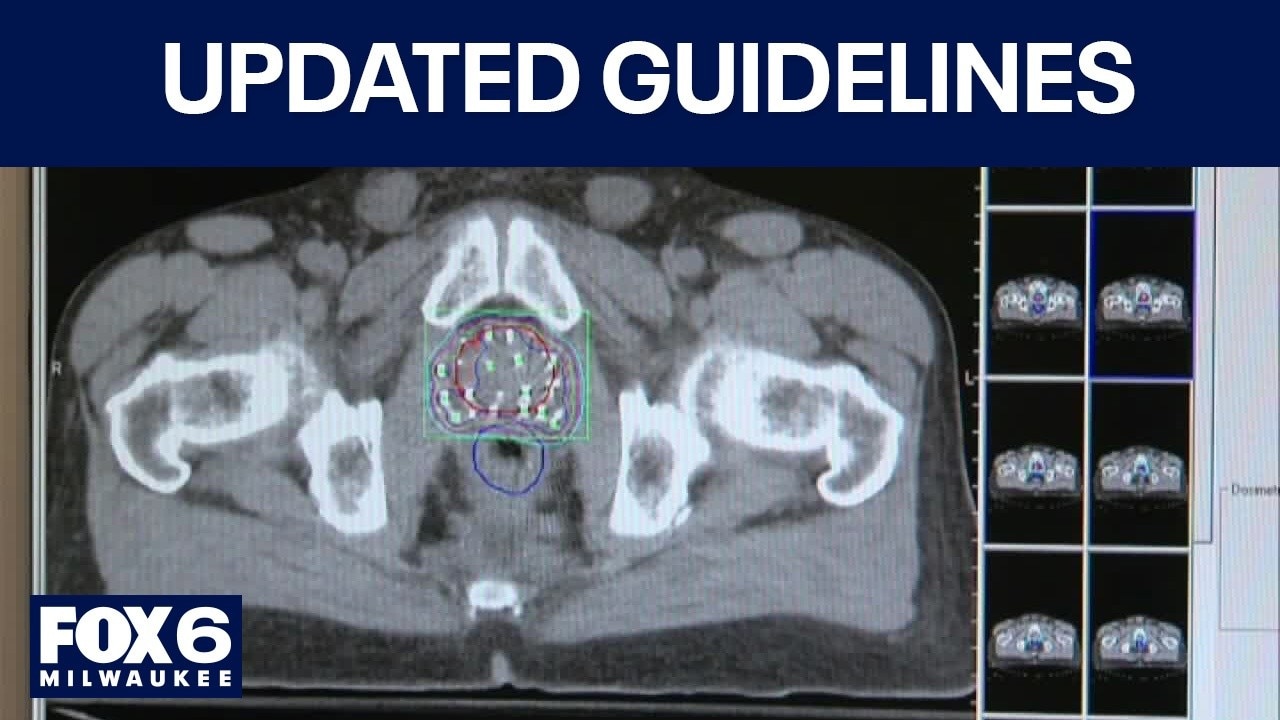
New prostate cancer guidelines recommend more frequent screenings
New prostate cancer guidelines call for more frequent screenings in men. The American Cancer Society announced the updates.
MILWAUKEE - New prostate cancer guidelines call for more frequent screenings in men. The American Cancer Society announced the updates.
Previously, guidelines recommended that patients and doctors decide together what worked best for them. The American Cancer Society put out these new guidelines after some studies were done.
New guidelines
What To Know:
The guidelines recommend all men ages 50 to 69, with an average risk, start a blood test screening every two years. For African American men and others with higher risk, screenings would start at 45 and again every year. African American men have the highest prostate cancer death rate than any other race.
FREE DOWNLOAD: Get breaking news alerts in the FOX LOCAL Mobile app for iOS or Android
So why the change? The American Cancer Society said more updated studies show screenings can lower a person’s chance of dying from prostate cancer with early detection. It is currently the No. 2 cause of cancer deaths in men.
A radiation oncologist at City of Hope Cancer Center in Chicago said this will likely lead to more diagnoses.

"The first step to curing cancer is just knowing that you have cancer. The biggest tool that we have for this fight is early detection because we know that early detection saves lives," said Dr. Kevin King of City of Hope Chicago.
One prostate cancer survivor FOX6 News spoke with said this would have been a game-changer for him if these same guidelines were out when he was 45.
"Knowing, I could’ve gotten this at 45, absolutely. Absolutely. If I could’ve caught this early, yes. You want to avoid the radiation. You want to avoid the infusions and surgeries. You want to avoid those things," said prostate cancer survivor Kevin Connor.
SIGN UP TODAY: Get daily headlines, breaking news emails from FOX6 News
These screenings are not the uncomfortable exam many are used to. This is a PSA, or prostate-specific antigen, screening. It is prostate-specific, not cancer-specific. It is a simple blood test, and it takes about three minutes.
Portions of this article were formatted using A.I. FOX6’s Ashley Sears and an editor reviewed it for accuracy and tone prior to publishing.
The Source: Information in this story was gathered from the American Cancer Society, City of Hope Cancer Center radiation oncologist Dr. Kevin King and prostate cancer survivor Kevin Connor.