

Milwaukee 911 delay: Wisconsin public employee immunity law protections

Milwaukee 911 delay & Wisconsin immunity law
Wisconsin governmental immunity laws provide agencies and employees strong protections from civil litigation, while capping damages at $50,000.
MILWAUKEE - Attorneys representing the 99-year-old woman who was beaten inside her Milwaukee home in July, then waited more than two-and-a-half hours for police and fire to arrive, have called a Wednesday news conference on the situation.
911 delay investigation
The backstory:
The case spurred an investigation at the city's Department of Emergency Communications because of the delayed response.
FREE DOWNLOAD: Get breaking news alerts in the FOX LOCAL Mobile app for iOS or Android
Two call takers, who took the first two 911 calls from a third-party dispatcher and classified them as "welfare checks," resigned in lieu of being terminated. The Department of Emergency Communications announced that as part of a brief press conference last week.
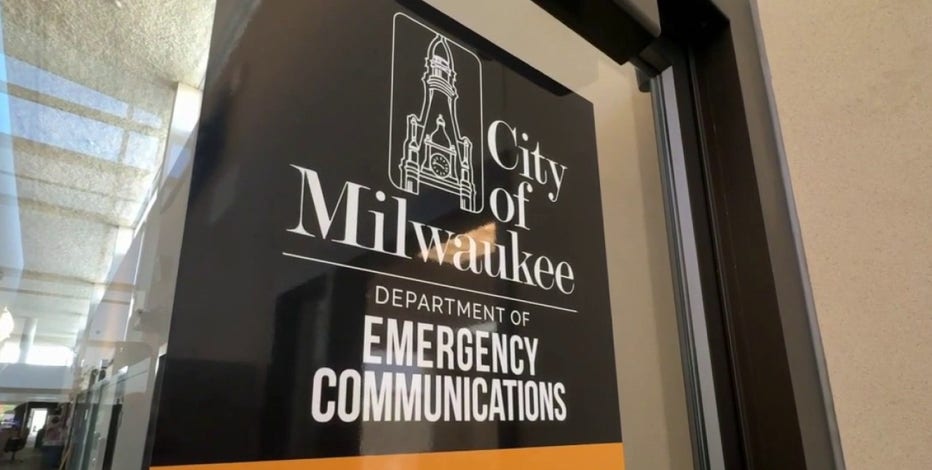
Milwaukee 911 investigation record release faces procedural delay
It could be a while before we learn details on the City of Milwaukee's investigation into the mishandling of a 911 call that left a 99-year-old woman waiting two-and-a-half hours for help after she was beaten inside her own home.
Employee immunity?
Local perspective:
While attorneys are getting involved, state law may complicate any attempt to seek damages in court. Public employees in Wisconsin enjoy strong protection when doing their jobs under the state's governmental immunity laws.
Anyone planning to file a claim – and then a lawsuit – would need to prove the employee's actions were ministerial, not discretionary. That is a legal way of saying they would need to prove the employee blatantly did not follow clear policies.
SIGN UP TODAY: Get daily headlines, breaking news emails from FOX6 News
What they're saying:
Noah Domnitz, an attorney in Milwaukee who specializes in governmental immunity, helped explain the law.
"Was there a set of guidelines or laws that's positively imposed, this is how this needs to be done, this the time and the manner and the way in which you need to respond to this situation such that a ministerial duty existed and you've got to do it this way, then maybe you can get out from under the immunity," Domnitz said. "If the determination is, to use your example where you said it's discretionary, there's not going to be anywhere for them to turn."
Dig deeper:
Whether that happened remains to be seen.
Again, the DEC called a news conference in August where we expected to learn details of the investigation. Department of Emergency Communications Director Tony Bueno then said that morning he could not release those details, including the executive summary of a prepared investigation, due to state laws governing open records requests and employee notifications.
What about federal court?
Big picture view:
Domnitz pointed out that state law caps payments for damages brought against government agencies or employees at $50,000. It is designed to keep them from going bankrupt.
But in this case – if those attorneys can prove the city's Department of Emergency Communications violated the 99-year-old woman's civil rights in federal court – that state immunity no longer applies, nor does the cap on the payout.
"The question is not whether or not the person was negligent, and the question is not whether or not the person is hurt. The question is whether or not you're going to be allowed to do anything about it. Anytime you see the word 'immunity', and what they're saying is we can appreciate that somebody may have been negligent. And we can appreciate that you may have been injured — you're not allowed to bring a lawsuit," Domnitz said.
Portions of this article were formatted using A.I. FOX6’s Sam Kraemer and an editor reviewed it for accuracy and tone prior to publishing.
The Source: Information in this story was gathered from attorney Noah Domnitz, Department of Emergency Communications Director Tony Bueno, state laws and previous FOX6 News reporting.