

As ICE arrests continue, Wisconsin advocates stress knowing your rights

ICE arrests: Advocates stress knowing rights
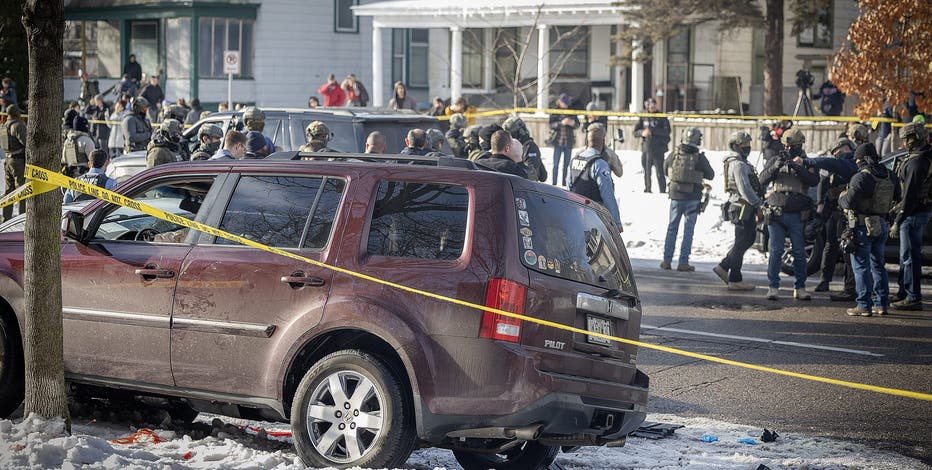
With tensions unfolding in Minneapolis, many people in Wisconsin are asking how close the situation hits home – and what to do if they encounter Immigration and Customs Enforcement officers.
MILWAUKEE - With tensions unfolding in Minneapolis, many people in Wisconsin are asking how close the situation hits home – and what to do if they encounter Immigration and Customs Enforcement officers.
Verifiers monitor ICE arrests
What we know:
As ICE arrests continue across the country, fear and uncertainty are rising in local communities. Nat Godley, an ICE verifier with Voces de la Frontera, said those concerns are keeping him busy.
"We're getting more reports showing the people on the edge," said Godley.
FREE DOWNLOAD: Get breaking news alerts in the FOX LOCAL Mobile app for iOS or Android
Godley’s role focuses on confirming information about ICE sightings and helping people understand what they are seeing. He said verifiers do not interfere with enforcement actions.
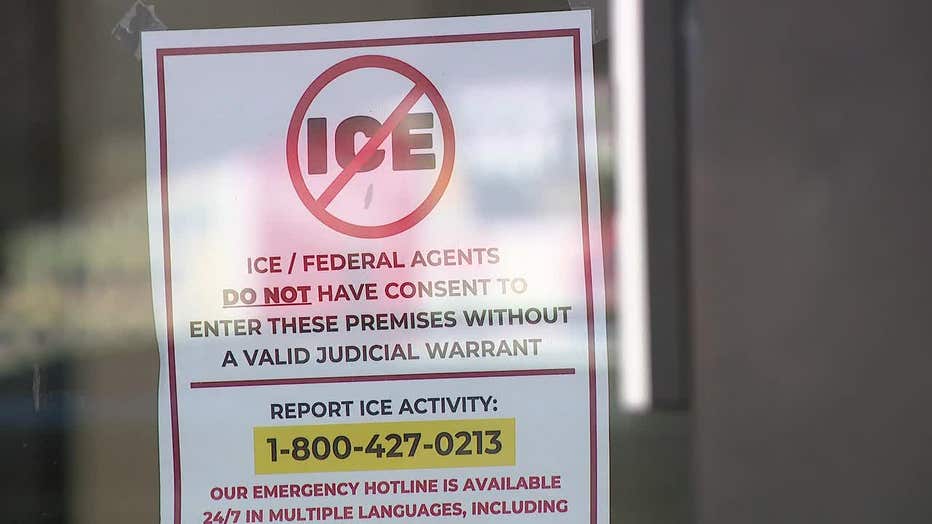
"We do not interfere, we do not get in the way – that is strictly against the rules of the verifier program," said Godley.
Administrative vs. judicial warrants
What they're saying:
Understanding the type of warrant involved is critical during immigration enforcement encounters. Immigration attorney Marc Christopher explained the difference between administrative and judicial warrants.
"It's something immigration officers look at, and based off of their own internal records, have determined that an individual may not be a United States citizen or lofty in the United States," said Christopher regarding administrative warrants.
An administrative warrant does not require a judge’s signature. Under that type of warrant, ICE officers cannot enter a home and cannot go into private areas of a public business to make an arrest.
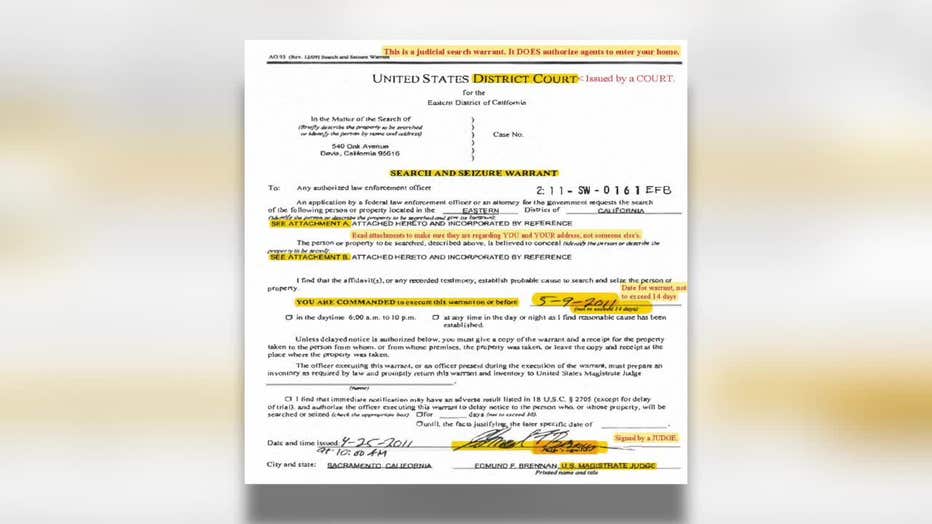
A judicial warrant, Christopher said, carries significantly more authority.
"A judicial warrant is a very different animal," he said. "It's where a judge actually has concluded that there's probable cause that a person has done something illegal within the criminal context and then it allows officers to go into home."
Judicial warrants are issued by a court, labeled as a "federal arrest" or "search and seizure warrant," and include the person’s name. They must be signed by a judge.
SIGN UP TODAY: Get daily headlines, breaking news emails from FOX6 News
When immigration arrests happen in public places, verifiers like Godley observe from a distance.
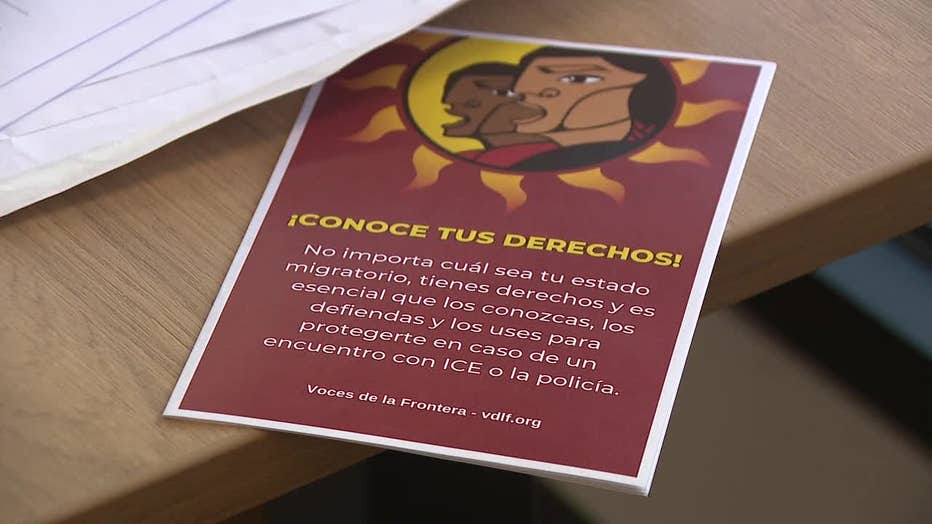
"We just make sure that we are legally observing and recording the actions of law enforcement and/or border protection," said Godley.
Know your rights resources
What you can do:
Advocates stress that knowing your rights is essential. Several local organizations offer "know your rights" workshops for anyone looking for a refresher.
For more detailed information on immigrant rights, visit the Voces de la Frontera website.
Minneapolis ICE shooting; Wisconsin legal expert explains next steps
As the FBI leads the investigation into the fatal Minneapolis ICE shooting, Wisconsin legal experts explain what investigators will examine next and how the case could proceed.
The Source: The information in this post was collected and produced by FOX6 News.