

Forest Home Cemetery: Honoring Milwaukee’s Black trailblazers
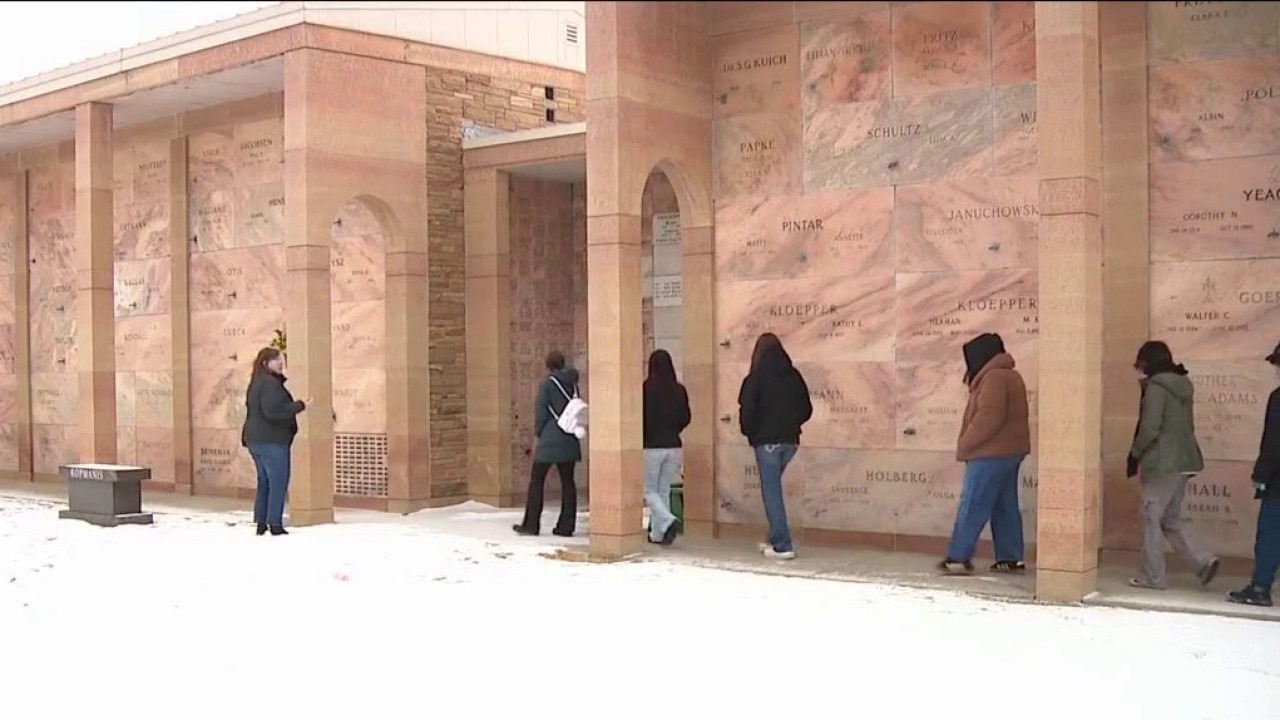
Forest Home Cemetery tours spotlight Black trailblazers who shaped Milwaukee
Forest Home Cemetery tours spotlight Black trailblazers who shaped Milwaukee, with students exploring historic gravesites and digital stories that preserve resilience and legacy.
MILWAUKEE - They are silent now, but their stories continue to be told. Journeys of struggle and strength are shared at Milwaukee's oldest cemetery, Forest Home Cemetery and Arboretum. The landmark has the most notable Black trailblazers who shaped history right here in our area.
Touring Milwaukee's oldest cemetery
What we know:
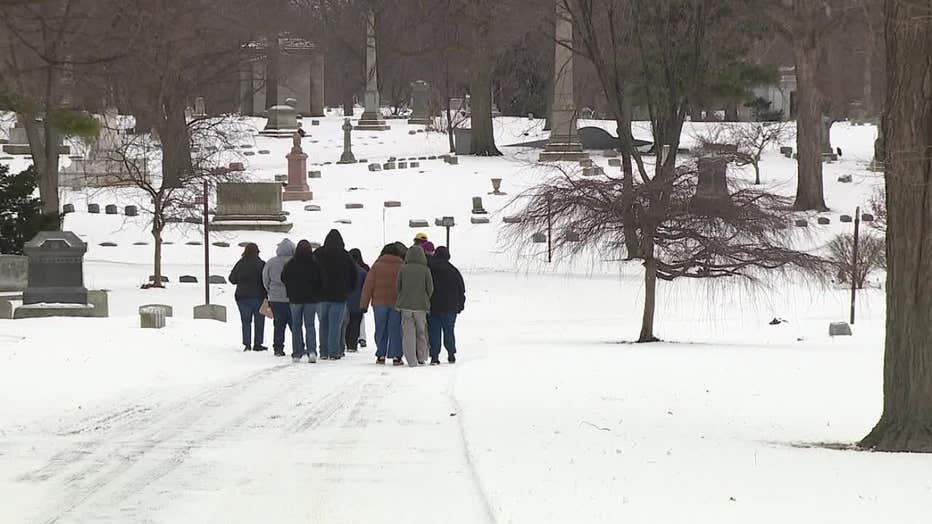
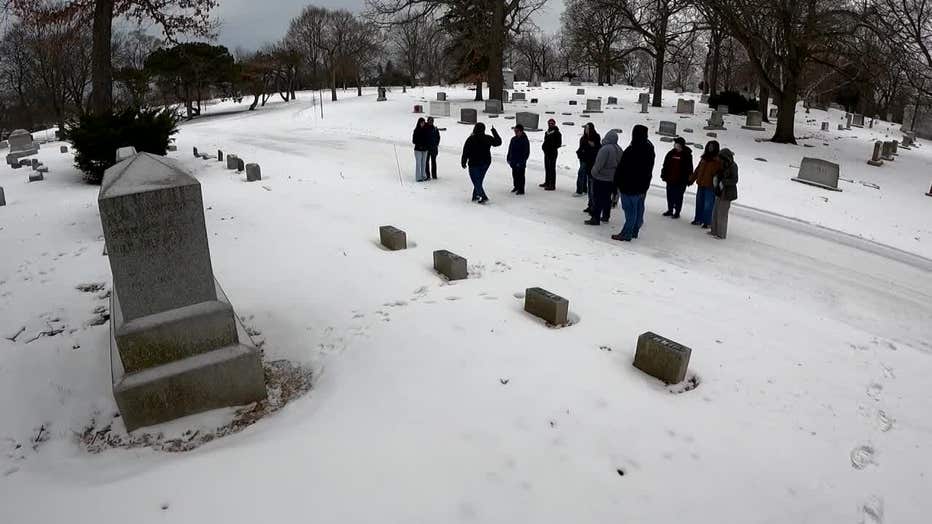
Bundled up on a cold February afternoon, high schoolers from Escuela Verde are learning about the layered history of Black Milwaukeeans.
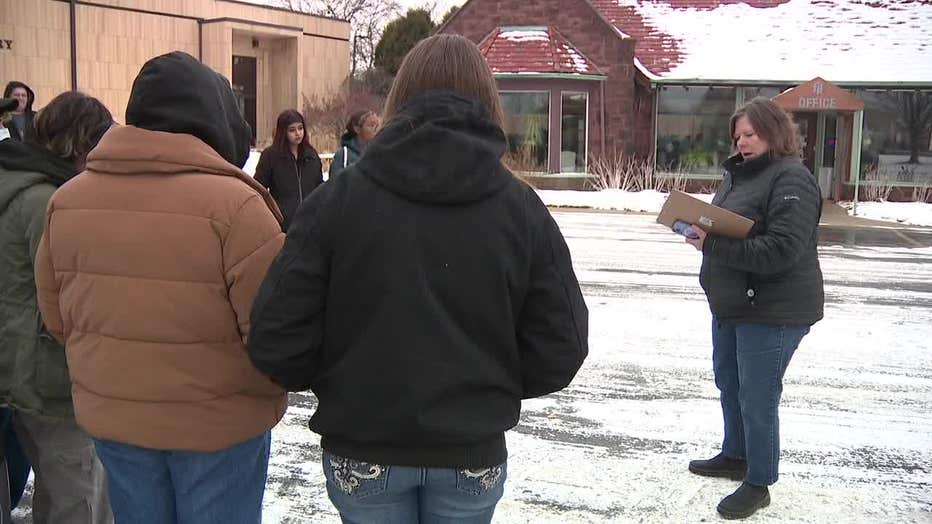
"I feel like it's definitely life-changing," said sophomore Camoy Harris.
They're touring the final resting place of some of the community’s founders, industrialists, politicians, activists, doctors and more.
"It’s a privilege and an honor to research their stories," said Kristen Scheuing, the Community Outreach Manager.
More than 175 years of heritage lies along these paths.
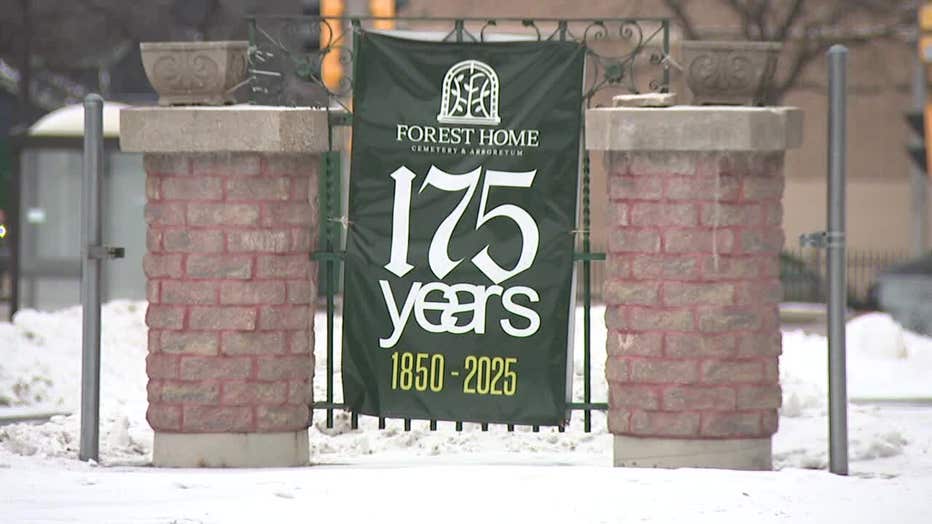
"A lot of people came here because they were denied access to other cemeteries," Scheuing said.
"Stories of Strength" tour
The backstory:
Kelly Gerlach, the Director of Development at Forest Home Cemetery, said what started years ago as a small tour of "Stories of Strength" has expanded exponentially.
FREE DOWNLOAD: Get breaking news alerts in the FOX LOCAL Mobile app for iOS or Android
"It started to tell the story of early Black individuals that helped build the city and build Milwaukee and has since then grown into telling those more contemporary stories as well as getting into schools for educational purposes," Gerlach said.
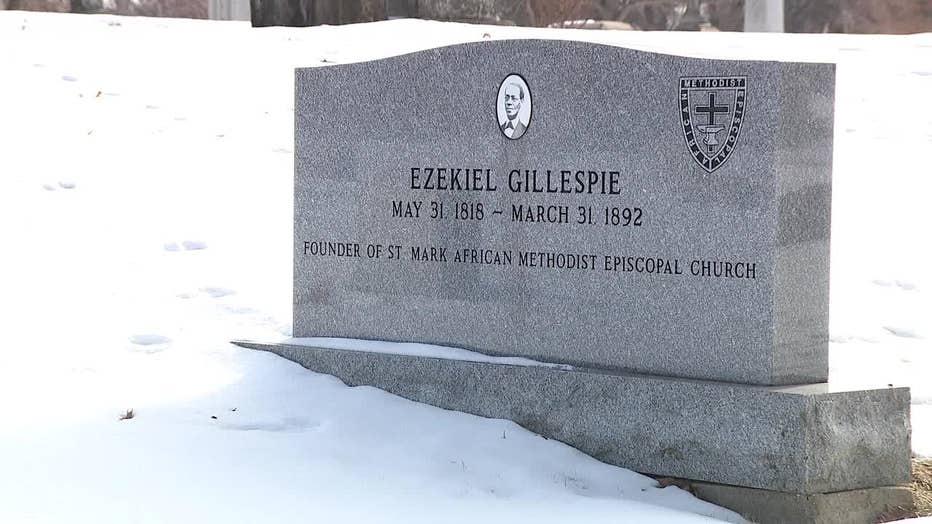
The initial tour began with early notable families like the Watsons, who were known as the first few Black members of Milwaukee’s middle class after Sully purchased his own freedom. Also, Catherine and Ezekiel Gillespie, Ezekiel helped secure the right to vote for Black men in Wisconsin and also co-founded St. Mark. A.M.E Church.
"Even though folks pass away, their legacies live on," said Robert Smith, the resident historian at America's Black Holocaust Museum (ABHM).
George Marshall Clark lies among those honored here. The barber was Milwaukee's only recorded lynching.
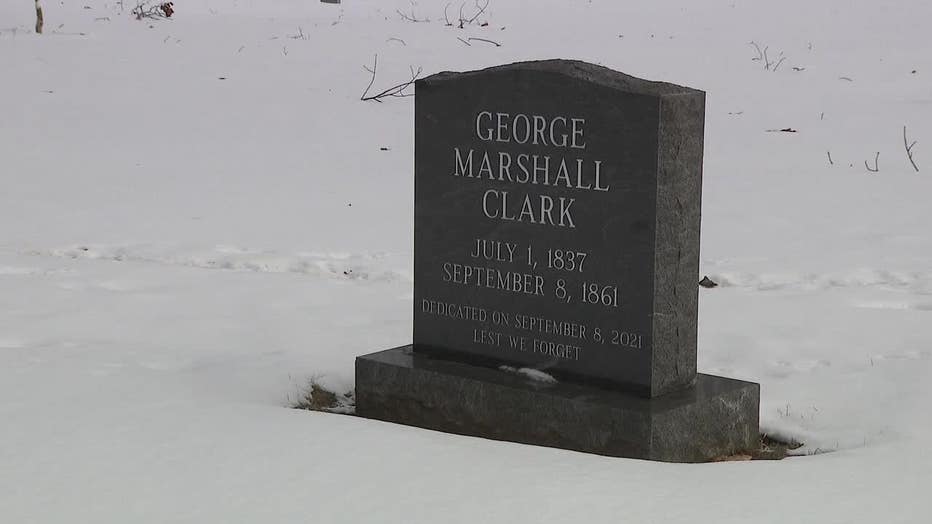
"What we really want to do is to contextualize his life, the moment that he's lynched, and put it in the broader historical landscape," added Smith.
Smith praised the collaboration with the cemetery.
"You have multiple institutions working to keep history alive and then to also share that with our young people, so that they understand that they're connected to something even richer and more powerful," Smith said.
Take a digital tour
Dig deeper:
They're connected not only orally, but digitally. ABHM's Clio Tour can be accessed by anyone, anytime and anywhere. Whether you are online or on the app, this tool allows you to explore at your own pace, pinpoint the burial location and verbally hear each backstory.
Ardie Halyard is also remembered for her role in opening the first Black-owned bank in Wisconsin known as the Columbia Savings and Loan Association in 1924. She and her husband Wilbur were part of the great migration.
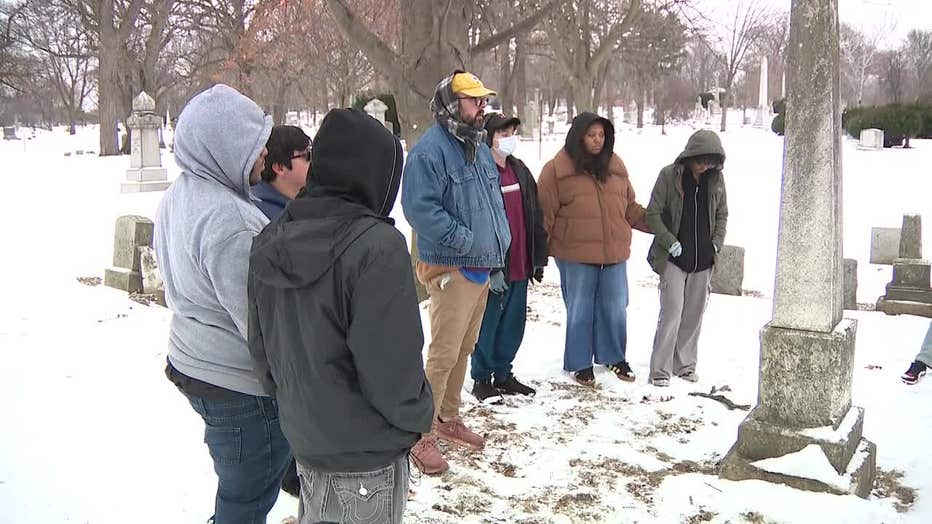
"When they got to Milwaukee, they realized real estate agents weren’t really giving equal opportunities to Black people to buy homes. So they helped Black people get mortgages. In fact, Halyard Park is named for them; it’s a little subdivision," Gerlach said.
Lived experiences learned
Local perspective:
Learning about these lived experiences was made easier by students who helped develop projects like the Clio Tour.
"Our student interns, both high school and college students, have the opportunity to not only learn the histories that we're heralding, but then also be a part of the production of history," Smith said. "They're learning the skills and the techniques to be historians, to be digital humanities scholars and the like."
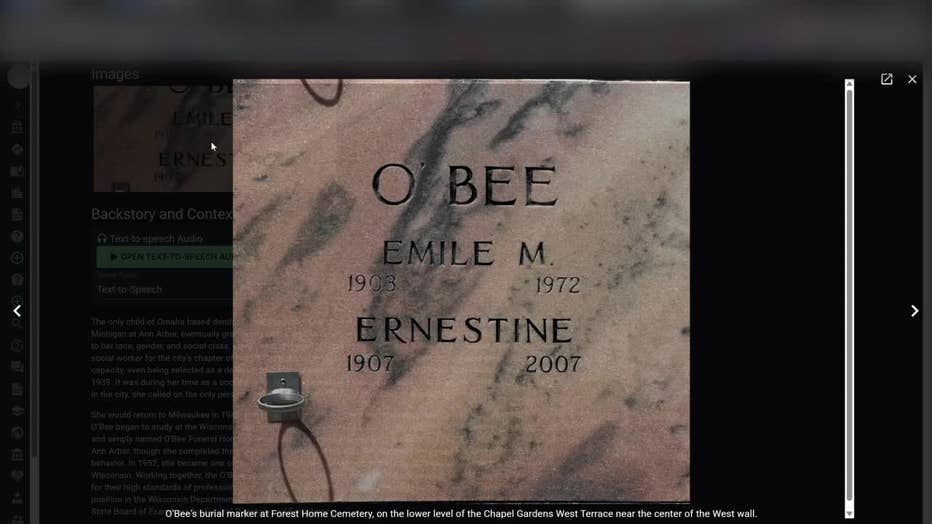
Entries share stories of contemporary trailblazers like Ernestine O'bee-Wilson, who overcame racism, sexism, and classism to become one of the first African-American women to be licensed as a funeral director in Wisconsin.
"The Obe funeral home still exists today. Almost all Black people when they had their funeral went to the Obe family," Scheuing said.
SIGN UP TODAY: Get daily headlines, breaking news emails from FOX6 News
There are prominent business owners who had triumph after trauma.
"It makes me appreciate the life I have now, because I realized that I have it easy," said sophomore Chelianys Rivera.
Harrowing events are shared as different stories of resilience, hope and perseverance live on.
"It inspired me to do a lot of more things for people my color and to dive more into my background," said Harris."
Tours and programs help maintain intergenerational connections over the years.
"It definitely made me surprised, and it opened my eyes into a lot of things that I did not realize that happened in my city," Harris said.
Milwaukee is a city that Black people helped build, while breaking barriers, changing communities and overcoming adversity.
"It's making me really appreciate what I have," Harris shared.
On these hallowed grounds where culture is preserved — powerful narratives are uncovered which have put African-Americans on the map.
Take a tour yourself
What you can do:
The next walking tour of Milwaukee’s Black heritage at the Forest Home Cemetery and Arboretum will be held Sunday, Feb. 28. You can access and learn from Clio Tour anytime.
The Source: Information in this post was produced by FOX6 News.