

Thanksgiving cranberries: Climate impacts Wisconsin crop
How climate change impacts cranberry crops
Is climate change the "Grinch" that stole...Thanksgiving? FOX6's Rob Haswell and Climate Central's Shel Winkley discuss the impact that longer, hotter summers have on the cranberry harvest.
MILWAUKEE - From summer drought to winter thaws, Wisconsin cranberry growers know that climate and weather play a major role in what ends up on our Thanksgiving tables.
Wisconsin cranberries
Local perspective:
Wisconsin is the cranberry capital of America, producing more than 60% of the nation's supply. But growing those little red berries is anything but simple. From extreme heat to summer droughts and winter freezes, cranberry farmers are at the mercy of the weather throughout the year. As our climate changes, keeping those berries growing is becoming an increasingly complicated challenge.
FREE DOWNLOAD: Get breaking news alerts in the FOX LOCAL Mobile app for iOS or Android
Shel Winkley, senior engagement specialist and chief meteorologist at Climate Central, sat down with FOX6 Chief Meteorologist Rob Haswell to take a look at how our changing atmosphere might hit us right at our very own Thanksgiving dinner table.
Cranberry farmers depend on weather
What they're saying:
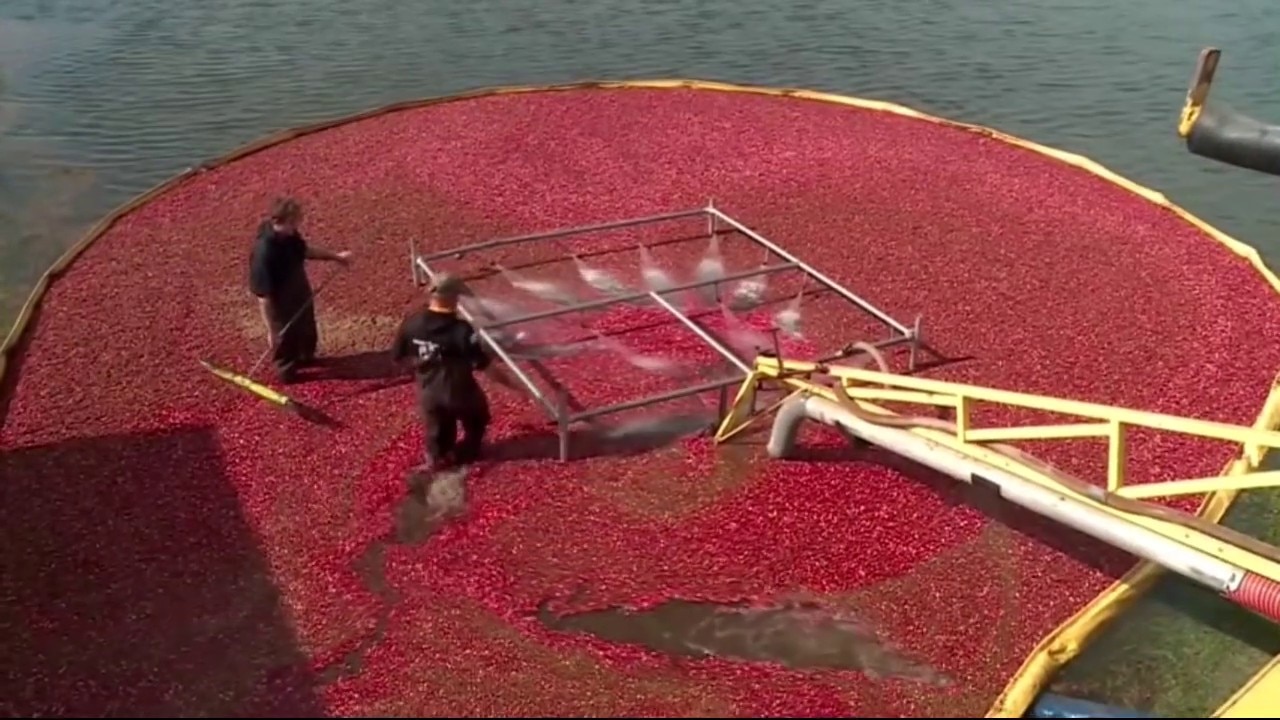
Unlike what some people think, cranberries don't actually grow underwater. They grow on low-lying vines in specially managed beds that are flooded during harvest, allowing the berries to float to the surface for collection. But water plays a critical role long before harvest begins as well. Farmers carefully manage water levels to protect plants from frost, provide moisture during the growing season and insulate vines against winter's bitter cold.
This year's cranberry harvest has been particularly challenging for some Wisconsin growers. Periods of drought, scorching summer heat and even smoke from wildfires during pollination may have contributed to disappointing yields for some Wisconsin farmers in 2026. An October industry report suggested Wisconsin's harvest could be roughly one-third smaller than expected.
Summer vs. winter
Big picture view:
Summers have become increasingly hotter in recent decades. Periods of extreme heat can lead to something called "Cranberry Scorch" or often referred to as scald or sun scald. Scorch is a heat disorder that damages cranberry fruit and vines when exposed to high temperatures, intense solar radiation and low humidity. According to Winkley, all three of those have increased in frequency and intensity of the years.
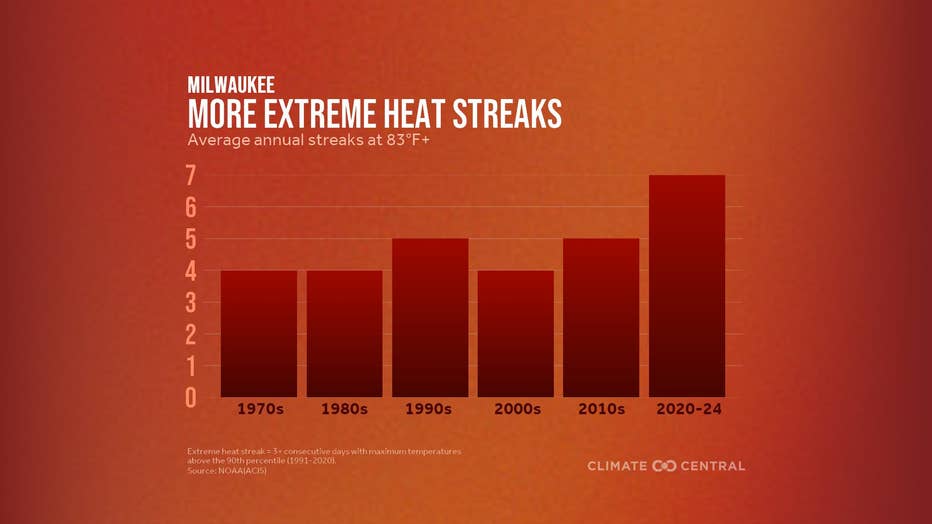
Climate data shows that in the 2020s, Wisconsin has seen an average of 7 Extreme Heat Streaks, defined as several days of weather at 83 degrees or hotter. Wisconsin is not alone; from 1970 to 2024, the annual number of extreme heat streaks increased in 80% of the cities analyzed.
While summer weather gets plenty of attention, winter may present one of the biggest long-term challenges for Wisconsin cranberry growers. Farmers traditionally flood cranberry beds during winter, creating a protective layer of ice that insulates vines from extreme cold and damaging winds. But Wisconsin's winters are warming.
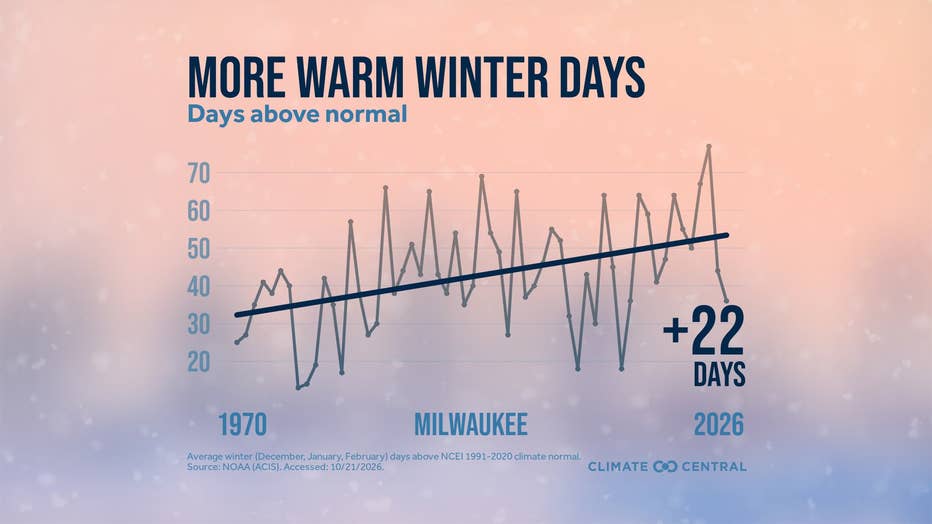
According to Climate Central, cranberry-growing regions in the Upper Midwest now experience an average of 14–22 more warm winter days than they did in 1970. Those warmer temperatures can cause protective ice to melt prematurely, leaving plants vulnerable when another blast of Arctic air does arrive.
Cranberry prices could rise
Why you should care:
When our weather makes it harder to grow cranberries, or any crop, and the end yields are lower, the prices tend to rise. The basic economics of supply and demand kick in and when Wisconsinites and Americans in general go to buy their cranberry sauce for the holiday, they may find they need to pay a higher price.
The potential price hike could be needed to cover the lower yield as well as the costs of new climate mitigation techniques employed by farmers, the additional costs of getting the crop to the consumer and the challenges of a changing growing environment.
The Source: Information in this story is from the FOX 6 Weather Experts, Climate Central, Wisconsin State Climatology Office, U.S. Department of Agriculture and Wisconsin Cranberry Growers Association.