

TIPS: Take pictures of snowflakes up close, just like the pros
Credit: Jeff Frings
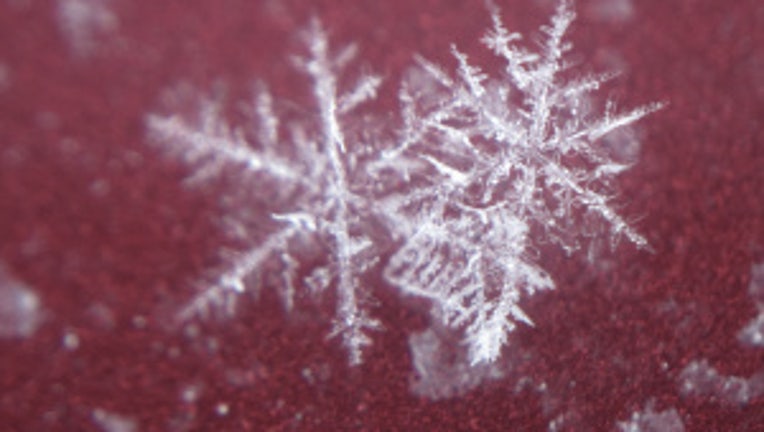
(WITI) -- Have you ever seen pictures of snowflakes that are really up close? Anyone can take snapshots like that -- you just need to know what to do. FOX6 Photojournalist Jeff Frings offered the following tips in the write-up below.
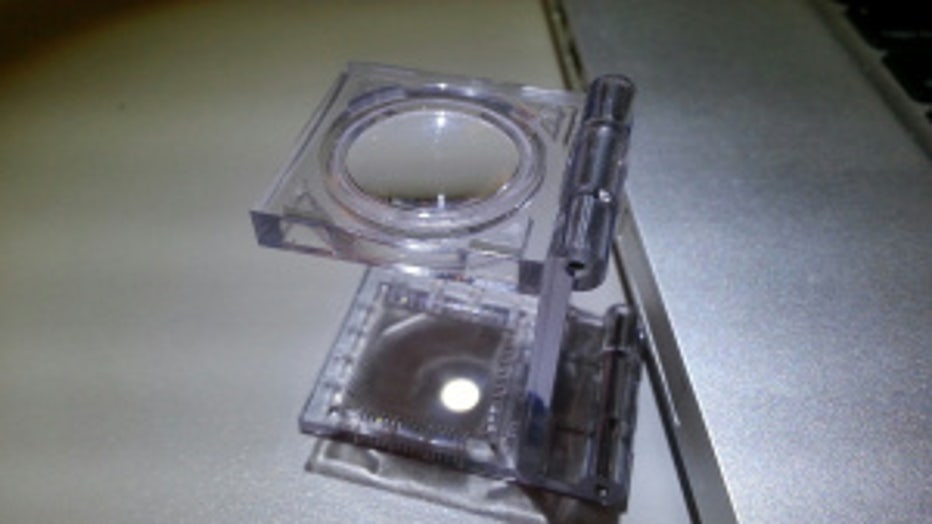
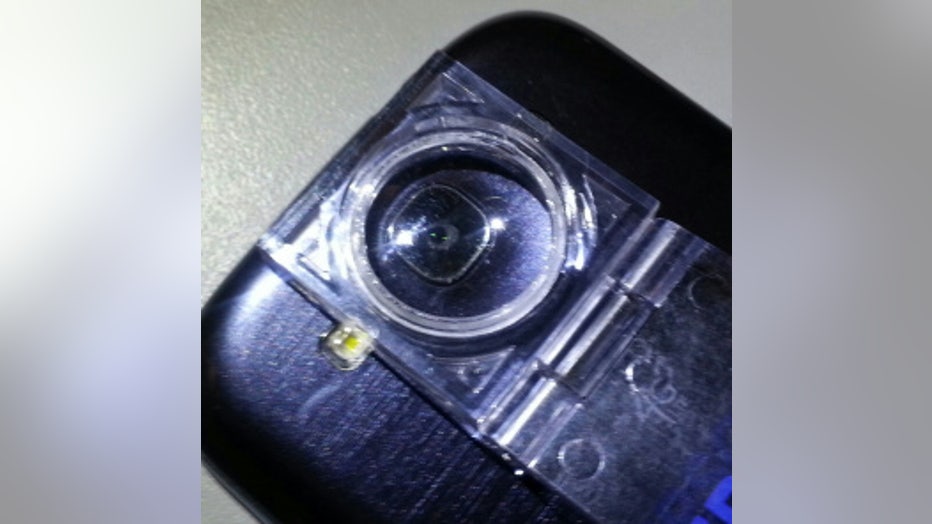
For my macro photos I used a couple different printers loupes as close up lenses. I simply put them in front of my camera's existing lens. They can be found online for as little as $5. Other types of loupes or small magnifying glasses that can be put in front of your lens may work as well. The tricky part is attaching the magnifying glass to the camera or phone. You can hold it, tape it in place, or try using rubber bands. I built a small mount for my point and shoot camera that holds the glass in the right position. There are a number of macro attachments for most phone cameras and point and shoot cameras, but I haven't used any of them.
Credit: Jeff Frings
Most phone cameras and point and shoot cameras have a macro feature, but it is limited in the magnification you can achieve. What I mean by magnification is If you have a 1:1 macro then the image taken on your sensor or film will be the same size as the real life subject. Put another way if you shoot a stamp with a 1:1 macro on film, you could put the actual stamp next to the film and it would be the same size as the stamp on film.
One reason that the magnification of phone camera and point and shoot macros is limited is that the macro usually doesn't work when the camera is zoomed in at all.
Credit: Jeff Frings
By using a magnifying glass or macro attachment over the phone or point and shoot camera lens, you get not only the magnification of the magnifying glass, you can also zoom in and the magnifying glass will allow you to focus closer to the object than you otherwise would be able to.
Two other considerations when shooting macro like this is lighting and focus. If you are zoomed in and shooting through an extra piece of glass, (the magnifying glass), you will need more light than you otherwise would. Your on camera flash will probably be too close to the subject to work properly. You can either move your subject closer to a light source or move a lamp or flashlight closer to your subject. If using an extra light source try positioning it at a couple different angles to see which looks the best for your composition.
Focusing will also be difficult because the area that will be in focus will be very narrow. The area on my snowflake photos that was in focus was fractions of an inch, so patience is a necessary tool in this type of photography.