

Lake Wausau emergency landing: How the weather helped them survive

Tom Tiffany plane crashes into Lake Wausau, expert weighs in
Investigators are now working to figure out what happened to the plane carrying Republican gubernatorial candidate Tom Tiffany. It made an emergency crash landing on Lake Wausau. Aviation experts said training and preparation were key to a safe emergency landing on water.
WAUSAU, Wis. - No pilot ever wants to bring their aircraft down in an emergency, but when there are no other options, it's always best to have Mother Nature on your side.
Weather does not appear to have been a major factor in the emergency landing on Lake Wausau Saturday night. In many ways, the conditions were as close to perfect as they could be for that landing.
The Beechcraft K35 Bonanza was approaching Wausau Downtown Airport when it experienced engine trouble and landed in Lake Wausau at about 8:50 p.m. Saturday, Sept. 12. Pilot Leonard Boltz and passenger U.S. Rep. Tom Tiffany escaped the aircraft and suffered minor injuries.
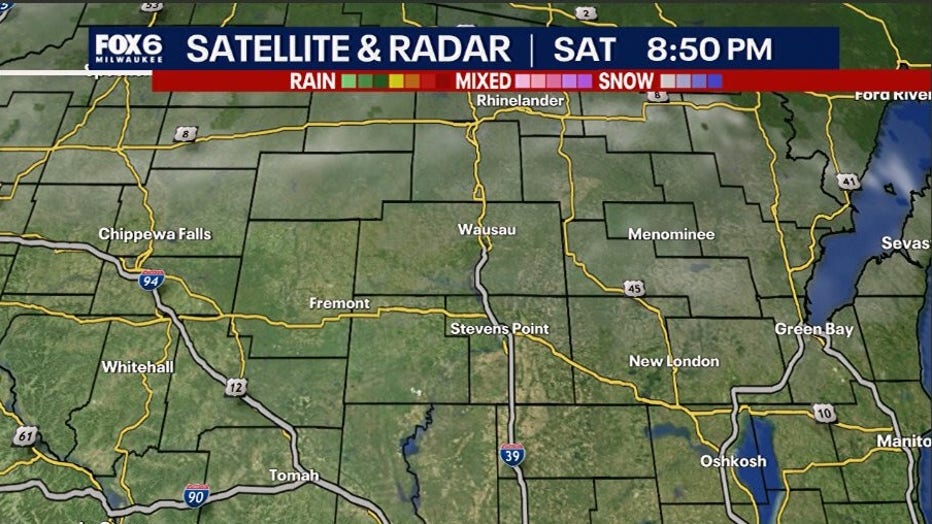
Weather conditions were relatively quiet
Local perspective:
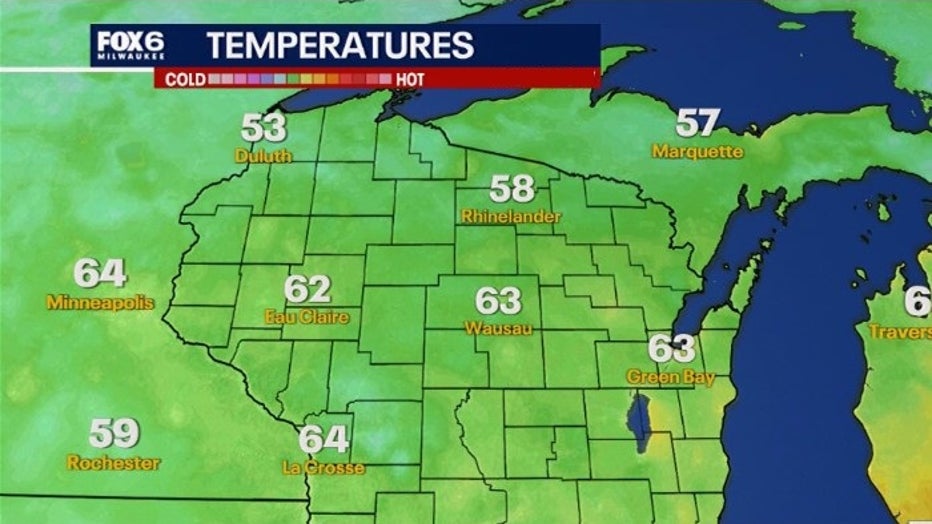
Surface observations around the time of the emergency showed generally favorable flying weather. Skies were clear, the temperature was 63 degrees and the dew point was 50 degrees.
Relative humidity was 63%. Atmospheric pressure was 29.95 inches and rising.
The National Weather Service aviation forecast issued earlier that evening also called for VFR, or visual flight rules, conditions throughout the period.
Forecasters expected only intervals of scattered to broken middle and high clouds, with light north-west winds during the night.
There were no thunderstorms, heavy rain, fog, strong winds or low clouds identified as aviation hazards around the time of the accident.
Light winds likely limited wave action
Dig deeper:
Most importantly for the emergency water landing, winds were relatively light, blowing from the west at about 8 mph, or roughly 7 knots.
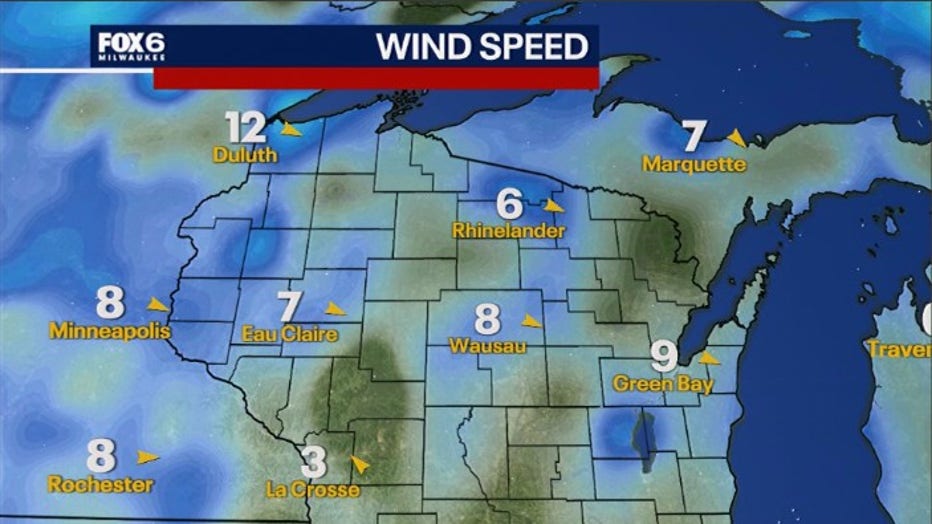
For an aircraft forced to land on water, wind becomes important because stronger winds can generate larger waves and a rougher landing surface. A west wind of about 8 mph is relatively light.
While the exact wave conditions at the location where the aircraft touched down are not known, those winds alone would not normally suggest a particularly rough lake.
Additionally, the marine forecast from that night does not provide evidence that Lake Wausau was experiencing hazardous wind-driven waves Saturday night.
Darkness may have been the bigger environmental challenge
Timeline:
While the weather was quiet, the timing of the emergency added another complication. Sunset in Wausau was around 7:14 p.m. Saturday. Civil twilight ended around 7:44 p.m. and nautical twilight ended around 8:19 p.m.
The FAA places the water landing at approximately 8:50 p.m., meaning the accident happened about an hour and 35 minutes after sunset and more than 30 minutes after nautical twilight ended. That means the pilot was attempting an emergency landing on a lake under nighttime conditions.
Water can be particularly difficult to visually judge in darkness because pilots have fewer references for estimating altitude above the surface, judging wave conditions and determining exactly when the aircraft will contact the water.
Clear skies and good visibility therefore do not necessarily translate into an easy visual environment for a nighttime water landing.
Lake Wausau's shallow water also mattered
Dig deeper:
Another environmental factor may have worked in their favor after the landing. Lake Wausau is a larger lake covering roughly 1,850 acres, and its maximum depth reaches about 30 feet, but substantial portions of the lake are considerably more shallow.
Fortunately, the aircraft came to rest in an area shallow enough that Tiffany and Boltz were also able to swim until they found an area to stand while waiting for rescuers.
While air temperatures were cool at 63, they were not so cold to result in rapid hypothermia and rescue teams arrived in time to avoid any exposure concerns.

Plane recovery in Lake Wausau
The Bottom Line:
Instead of being a problem for the plane and its passengers, the weather may have provided relatively favorable wind and visibility conditions.
The time of day and darkness likely made judging the lake surface more difficult, but air and water temperatures were forgiving enough to prevent further medical issues.
Exactly what caused the aircraft to lose power and the precise sequence of events leading to the landing remain questions for federal investigators. The FAA and NTSB are investigating, and no determination of probable cause has been released.
The Source: Information in this post was provided by the National Weather Service Green Bay and the FOX 6 Weather Experts.