

Wisconsin E. coli, Salmonella outbreak linked to alfalfa sprouts
MILWAUKEE - The Wisconsin Department of Health Services said 17 people have been sickened, one of them hospitalized, due to E. coli and/or Salmonella from alfalfa sprouts that have been linked to a multistate outbreak.
The DHS said the cases were identified in people who ate alfalfa sprouts from Everything Sprouts, sold under the Calco and Everything Sprouts brands.
FREE DOWNLOAD: Get breaking news alerts in the FOX LOCAL Mobile app for iOS or Android
Multistate outbreak
Big picture view:
The Wisconsin cases are connected to a multistate outbreak of Shiga toxin-producing E.coli – or STEC – and Salmonella infections linked to eating alfalfa sprouts from both restaurants and grocery stores.
Minnesota has identified 23 such cases, the DHS said. Roughly 1,000 total Salmonella infections and 500 STEC infections are reported in Wisconsin each year.
The Wisconsin DHS, Minnesota health officials, the U.S. Centers for Disease Control and Prevention, the U.S. Food and Drug Administration and other states are investigating the outbreak.
What are the symptoms?
What you can do:
The DHS said people who have alfalfa sprouts at home should check to see if they're from Calco or Everything Sprouts. If they are, throw them away and do not eat them.
If you've already eaten sprouts linked to the outbreak, the DHS recommends monitoring for infection symptoms and contacting a healthcare provider if those symptoms become severe.
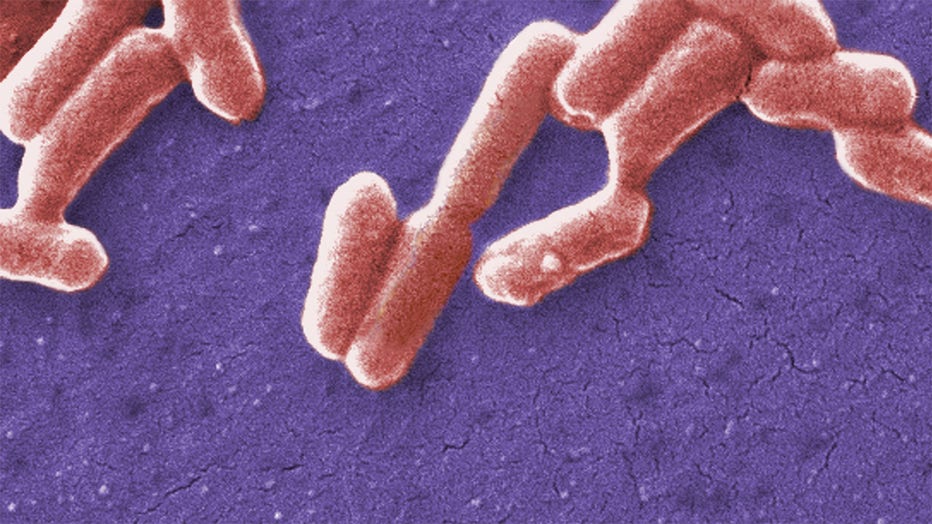
Under a high magnification of 10961X, this digitally-colorized scanning electron microscopic (SEM) image depicted a number of Gram-negative, rod-shaped, Escherichia coli bacteria of the strain O157:H7, which is a pathogenic strain of E. coli. (Photo
STEC infection symptoms can include stomach cramps, diarrhea, bloody stools and low-grade fever. Symptoms usually arise two-to-five days after the bacteria was consumed, and most people recover in five-to-seven days.
The DHS said STEC infections can lead to hemolytic uremic syndrome, a severe complication that involves acute kidney failure and other problems.
Symptoms of Salmonella include diarrhea, abdominal pain and fever. Those symptoms usually present anywhere from six hours to six days after consuming the bacteria. Most people recover on their own, but some people – such as children, older adults and those with weakened immune systems – may require medical treatment for serious symptoms.
What are E. coli, Salmonella?
Dig deeper:
According to the CDC, E. coli bacteria can be found in the environment, foods, water and the intestines of people and animals. Most strains are harmless and part of a healthy intestinal track – helping people digest food and protect from harmless germs – but some strains can sicken people.
Salmonella bacteria also live in the intestines of people and animals. People can get infected when they eat contaminated food, come in contact with contaminated water or touch animals, animal poop or places animals live.
The CDC said Salmonella is the leading cause of foodborne illness, hospitalizations and deaths in the U.S. and around the world. Infections are most common during summer months.
The Source: Information in this story is from the Wisconsin Department of Health Services and U.S. Centers for Disease Control and Prevention.