

Sturgeon spearing season opens Saturday, DNR offers ice safety tips
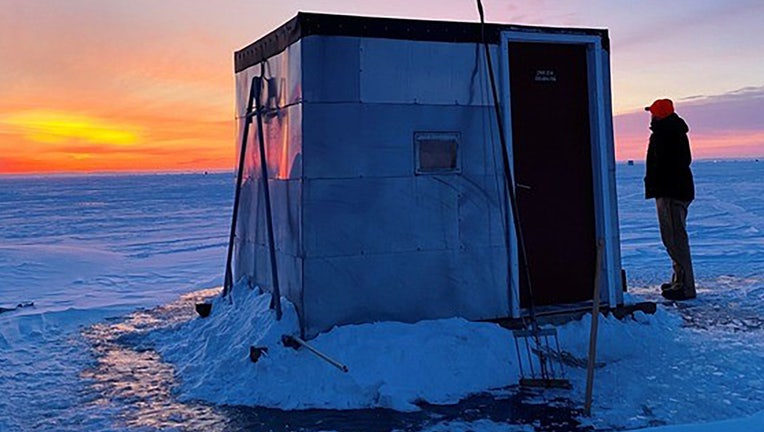
Photo Credit: Jenna Ingbretson
MADISON, Wis. - Winnebago System sturgeon spearing season opens on Saturday, Feb. 14, and the Wisconsin DNR is reminding people to be careful on the ice and that no ice is ever 100% safe.
Before hitting the ice, especially with a snowmobile, ATV/UTV or any other off-highway vehicle (OHV), spearers and anyone else on the ice should check in with local guides, lake associations, clubs and sport shops for current ice conditions, as the DNR does not monitor ice conditions across the state.
Every year, DNR wardens report a number of incidents of recreational vehicles going through the ice, sometimes with dire consequences.
What they're saying:
"Ice conditions can change daily, especially on large bodies of water. Just because the ice you traveled on yesterday was adequate for travel doesn’t guarantee that it will be today," said Lt. Jacob Holsclaw, DNR Warden Off-Highway Vehicle Administrator. "Shorelines, pressure cracks, ice heaves and current can all create inconsistent ice thickness, which is especially dangerous for anyone operating an OHV. Before every outing, verify conditions, know your equipment and always operate sober."
FREE DOWNLOAD: Get breaking news alerts in the FOX LOCAL Mobile app for iOS or Android
OHV operators should also know where designated travel corridors are, understand the weight of their vehicle, drive slowly, and follow all other best practices.
Ice safety tips
What you can do:
Keep these safety tips in mind when operating recreational vehicles during winter.
- UTVs are heavy. They are the heaviest recreational vehicle out on the ice, often being close to 3,000 pounds, similar to a car or truck.
- Have a plan in case you do go through the ice.
- Roll your window down when traveling on the ice and make sure you can easily open your door – drive slow and turn the radio down so that you can use your eyes and ears to watch and hear for potential issues.
- Make sure you have life jackets or some other type of floatation device for every person in the UTV.
- Recovery of the UTV or other vehicle is the responsibility of the owner/operator. After 30 days, the owner can be fined each day after 30 days.
- Recovery rates for the machine can also be very expensive.
- This may not be the year to explore new locations – stick to known areas that typically have better ice conditions.
- The DNR does not monitor ice conditions. Local fishing clubs, outfitters and bait shops are the best sources for local, current ice conditions.
- Don't use alcohol or drugs before or during your ride.
- Carry a cell phone, and let people know where you are going and when you’ll return home.
- Watch for pressure ridges or ice buckling. These can be dangerous due to thin ice and open water.
Visit the DNR’s Ice Safety webpage for more information on ice safety and traveling on frozen waterbodies.
The Source: The Wisconsin Department of Natural Resources (DNR) sent FOX6 a news release.