

Measles in Wisconsin: 3rd death reported in ongoing outbreak
Measles in Wisconsin: 3rd death reported in ongoing outbreak
A third person has died from the ongoing measles outbreak in Wisconsin in 2026. DHS reports that an adult has died from measles in Lafayette County. Health officials are warning families to take precautions as holiday travel ramps up.
LAFAYETTE COUNTY, Wis. - A third person has died from the ongoing measles outbreak in Wisconsin in 2026.
The Wisconsin Department of Health Services (DHS) reports that an adult has died from measles in Lafayette County. DHS will not release any more information related to the death in order to protect the privacy of the family and individual.
Measles outbreak in Wisconsin; 3rd death connected with disease
The Wisconsin Department of Health Services (DHS) and Lafayette County Health Department reported the third death associated with the ongoing measles outbreak in Wisconsin in 2026. The death is in an adult resident of Lafayette County. To protect the privacy of the family and individual, DHS will not release any additional information related to the death. DHS officials offered up answers to reporter questions on Tuesday afternoon.
Measles stats
By the numbers:
As of Nov. 24, DHS reports 918 cases and 19 hospitalizations across residents of 24 counties since August 2026.
- Newly confirmed cases (since Friday, November 20): 88
- Total cases since August 2026: 918
- Total cases in 2026: 920
- Total hospitalizations in 2026: 20
- Total reported deaths in 2026: 3
- Measles cases among unvaccinated individuals: 913 (99.2% of cases unvaccinated or with unknown vaccination status)
FREE DOWNLOAD: Get breaking news alerts in the FOX LOCAL Mobile app for iOS or Android
Measles vaccination rates: Where does your state rank?
International health officials have pulled the United States’ measles-free status.
Measles symptoms and transmission
What To Know:
Symptoms of measles start showing 10 to 21 days after getting infected. The first symptoms of measles may include:
- Runny nose
- High fever (may be greater than 104 F)
- Tiredness
- Cough
- Red, watery eyes, or conjunctivitis ("pink eye")
- A red rash with raised bumps that starts at the hairline and moves to the arms and legs three to five days after symptoms begin
These early symptoms are followed by a rash that spreads over the body. The rash tends to appear three to five days after the first symptoms.
DHS says common complications can include ear infections and diarrhea. Severe complications include pneumonia (infection of the lungs), encephalitis (swelling of the brain), and death. Although anyone can become seriously ill, children younger than 5 years old, pregnant people, and people with weakened immune systems are at increased risk of complications.
The only way to diagnose measles is through appropriate testing. If you think you have measles, it's important to see a doctor for a nose and throat swab and a blood test.
For more information about measles in Wisconsin, including vaccination recommendations and current measles case activity, visit the DHS measles webpage. To find the most up-to-date information on the measles outbreak, visit the measles outbreak webpage.
Measles vaccination
What you can do:
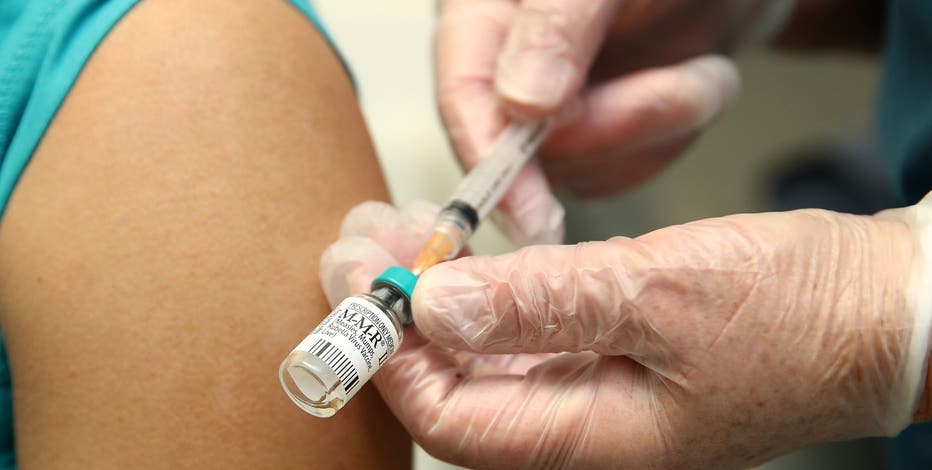
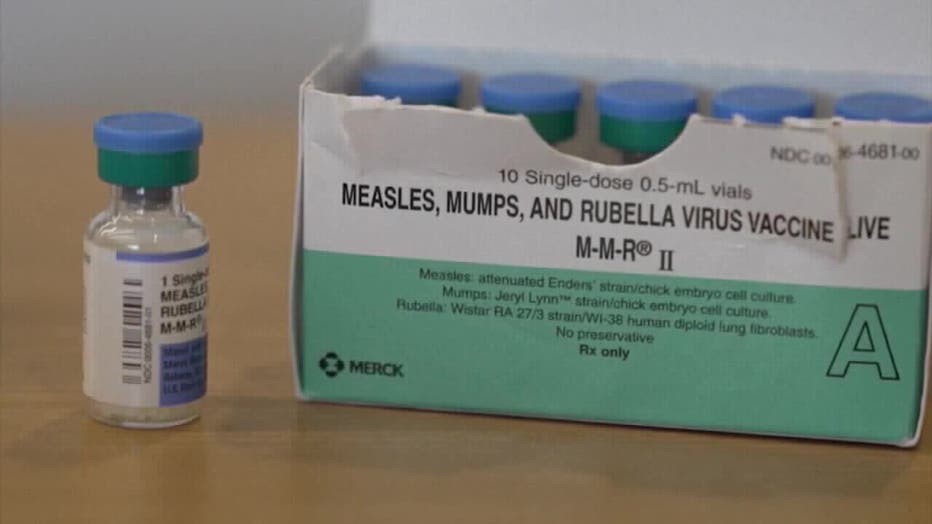
DHS says vaccination is the best way to protect against measles. Two doses of the measles mumps, rubella (MMR) vaccine are approximately 97% effective at preventing measles. Wisconsin residents can check their vaccination records online using the Wisconsin Immunization Registry (WIR) or by contacting their health care provider or local health department.
Anyone who has been exposed to measles should stay home if they are not protected against measles. People who develop fever and rash, especially if they have been exposed to measles or are not vaccinated, should contact their health care provider by calling ahead before visiting a clinic or hospital, so steps can be taken to prevent exposing others.
SIGN UP TODAY: Get daily headlines, breaking news emails from FOX6 News
Measles risk and holiday travel
Local perspective:
"Measles are highly contagious. It’s airborne. So, it can stay in rooms for up to two hours after the exposure risk is left," said Dr. Kevin Dahlman, President of Primary Care at Children’s Wisconsin.
Dr. Ben Weston, Milwaukee County’s Chief Health Policy Advisor, posted to X that cases in Wisconsin are surging, and the state has the second-lowest kindergarten measles vaccination rates.
"Realistically, over the last decade we’ve seen declining vaccination rates in the state of Wisconsin," said Dahlman.
Dahlman said there’s no clear indicator why...whether it’s lack of care or conversations that need to be had with patients and their primary care doctor or pediatrician.
To get the full effectiveness of the MMR vaccine, health officials say people should have both shots completed two weeks before travel.
Doctors ask that if people think they or their child have measles, they do not go to the emergency room. First, call a primary care doctor to avoid spreading disease to others.
Portions of this article were formatted using A.I. FOX6’s Christina Van Zelst and an editor reviewed it for accuracy and tone prior to publishing.
The Source: Information in this post comes from the Wisconsin Department of Health Services (DHS), Dr. Kevin Dahlman, and Dr. Ben Weston.