

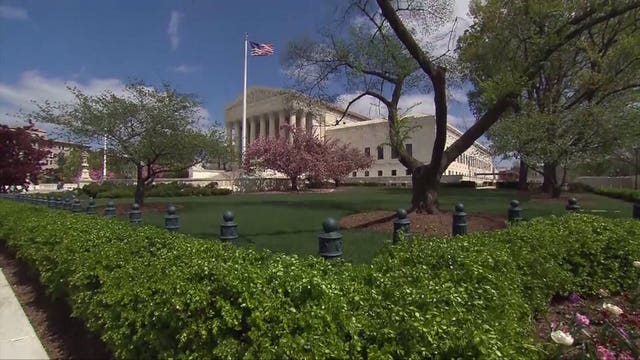

High court sides with Trump administration in pregnant teen case
WASHINGTON — The Supreme Court is rejecting a suggestion by the Trump administration that lawyers for the American Civil Liberties Union might deserve to be sanctioned in the case of a pregnant immigrant teen it helped obtain an abortion.But the court on Monday sided with the government in wiping away a lower court decision in favor of the teen, who had been held in government custody after illegally entering the country.
WASHINGTON — The Supreme Court is rejecting a suggestion by the Trump administration that lawyers for the American Civil Liberties Union might deserve to be sanctioned in the case of a pregnant immigrant teen it helped obtain an abortion.But the court on Monday sided with the government in wiping away a lower court decision in favor of the teen, who had been held in government custody after illegally entering the country.


SCOTUS ruling on sports betting makes some bar owners hopeful; 'It's going to help the business'
MILWAUKEE -- The U.S. Supreme Court overturned on Monday, May 14 a 1992 law that banned sports betting.
MILWAUKEE -- The U.S. Supreme Court overturned on Monday, May 14 a 1992 law that banned sports betting.


US Supreme Court makes sports betting a possibility nationwide
WASHINGTON — The Supreme Court on Monday struck down a federal law that bars gambling on football, basketball, baseball and other sports in most states, giving states the go-ahead to legalize betting on sports.The Supreme Court ruled 6-3 to strike down the Professional and Amateur Sports Protection Act.
WASHINGTON — The Supreme Court on Monday struck down a federal law that bars gambling on football, basketball, baseball and other sports in most states, giving states the go-ahead to legalize betting on sports.The Supreme Court ruled 6-3 to strike down the Professional and Amateur Sports Protection Act.
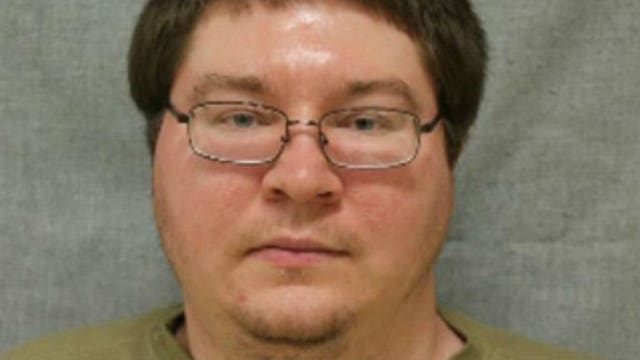

State: US Supreme Court should not review 'Making a Murderer' case
MADISON -- Wisconsin Department of Justice attorneys are asking the U.S. Supreme Court to reject a request to review the conviction of an inmate featured in the "Making a Murderer" documentary series.Brendan Dassey's attorneys have argued for years that investigators coerced him into confessing that he helped his uncle, Steven Avery, rape and kill photographer Teresa Halbach in 2005.
MADISON -- Wisconsin Department of Justice attorneys are asking the U.S. Supreme Court to reject a request to review the conviction of an inmate featured in the "Making a Murderer" documentary series.Brendan Dassey's attorneys have argued for years that investigators coerced him into confessing that he helped his uncle, Steven Avery, rape and kill photographer Teresa Halbach in 2005.
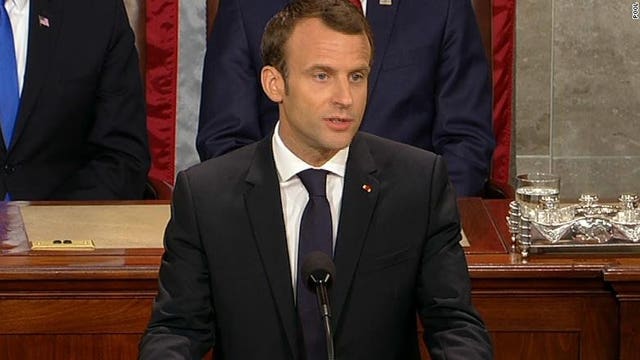

French President Emmanuel Macron resists Pres. Trump's 'America first' in speech to Congress
WASHINGTON, D.C. -- French President Emmanuel Macron drew sharp contrasts with President Donald Trump's worldview Wednesday, laying out a firm vision of global leadership that rejects "the illusion of nationalism" in a candid counterweight to President Trump's appeals to put "America first."In the spotlight of a speech to the U.S. Congress, Macron was courteous but firm, deferential but resolute as he traced the lines of profound division between himself and President Trump on key world issues: climate change, trade and the Iran nuclear deal.A day after the French leader had put on a show of warmth and brotherly affection for President Trump at the White House, his blunt speech prizing engagement over isolationism reinforced the French leader's emerging role as a top defender of the liberal world order.
WASHINGTON, D.C. -- French President Emmanuel Macron drew sharp contrasts with President Donald Trump's worldview Wednesday, laying out a firm vision of global leadership that rejects "the illusion of nationalism" in a candid counterweight to President Trump's appeals to put "America first."In the spotlight of a speech to the U.S. Congress, Macron was courteous but firm, deferential but resolute as he traced the lines of profound division between himself and President Trump on key world issues: climate change, trade and the Iran nuclear deal.A day after the French leader had put on a show of warmth and brotherly affection for President Trump at the White House, his blunt speech prizing engagement over isolationism reinforced the French leader's emerging role as a top defender of the liberal world order.
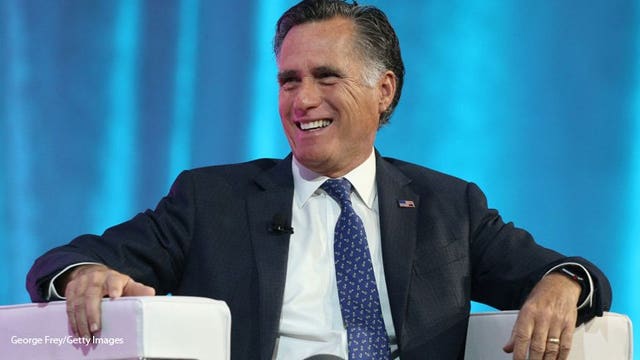

Romney must compete in primary for Senate seat
WEST VALLEY CITY, Utah — Mitt Romney was forced Saturday into a Republican primary for a U.S. Senate seat in Utah as he looks to restart his political career by replacing long-serving Sen.
WEST VALLEY CITY, Utah — Mitt Romney was forced Saturday into a Republican primary for a U.S. Senate seat in Utah as he looks to restart his political career by replacing long-serving Sen.
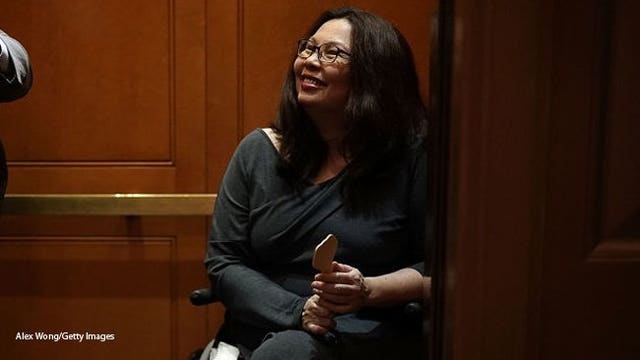

CHICAGO — Sen.
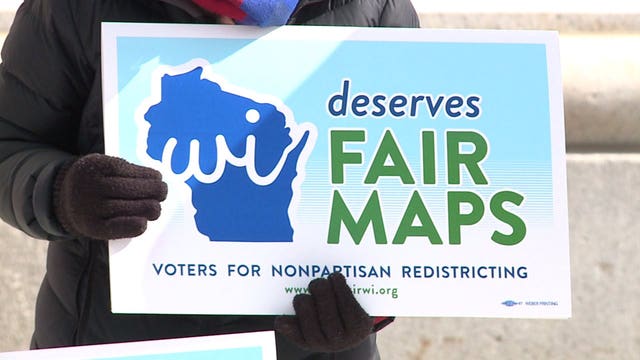
Another key redistricting case goes in front of high court
WASHINGTON — The Supreme Court has already heard a major case about political line-drawing that has the potential to reshape American politics.
WASHINGTON — The Supreme Court has already heard a major case about political line-drawing that has the potential to reshape American politics.



Gun proposals percolate, but Congress isn't eager
WASHINGTON, D.C. -- House Speaker Paul Ryan showed little interest Tuesday in some of the stricter gun proposals being floated by President Donald Trump or bipartisan coalitions in Congress, as Senate Republicans pushed a more modest measure to boost the existing background check system with new penalties and incentives.As student survivors of the Marjory Stoneman Douglas High School shooting roamed the Capitol for a second day, promoting tougher gun laws in meetings with top lawmakers, Ryan acknowledged "system failures" in Florida that he said Congress should review.
WASHINGTON, D.C. -- House Speaker Paul Ryan showed little interest Tuesday in some of the stricter gun proposals being floated by President Donald Trump or bipartisan coalitions in Congress, as Senate Republicans pushed a more modest measure to boost the existing background check system with new penalties and incentives.As student survivors of the Marjory Stoneman Douglas High School shooting roamed the Capitol for a second day, promoting tougher gun laws in meetings with top lawmakers, Ryan acknowledged "system failures" in Florida that he said Congress should review.
Romney makes it official: He's running for Utah Senate seat
SALT LAKE CITY — Former presidential hopeful Mitt Romney is running for a Utah Senate seat, officially launching his political comeback attempt Friday by praising his adopted home state as a model for an acrimonious national government in Washington.Having been one of the Republican Party's fiercest internal critics of President Donald Trump, Romney didn't mention the administration or President Trump himself in a campaign announcement posted online.
SALT LAKE CITY — Former presidential hopeful Mitt Romney is running for a Utah Senate seat, officially launching his political comeback attempt Friday by praising his adopted home state as a model for an acrimonious national government in Washington.Having been one of the Republican Party's fiercest internal critics of President Donald Trump, Romney didn't mention the administration or President Trump himself in a campaign announcement posted online.

Congress takes on immigration issue amid election pressures
WASHINGTON — The Senate begins a rare, open-ended debate on immigration and the fate of the "Dreamer" immigrants on Monday, and Republican senators say they'll introduce President Donald Trump's plan.
WASHINGTON — The Senate begins a rare, open-ended debate on immigration and the fate of the "Dreamer" immigrants on Monday, and Republican senators say they'll introduce President Donald Trump's plan.
Senate celebrates budget deal -- but shutdown still possible
WASHINGTON — Senate leaders brokered a long-elusive budget agreement Wednesday that would shower the Pentagon and domestic programs with an extra $300 billion over the next two years.
WASHINGTON — Senate leaders brokered a long-elusive budget agreement Wednesday that would shower the Pentagon and domestic programs with an extra $300 billion over the next two years.

AP count: Nearly 11.8M enroll for Obama health law in 2018
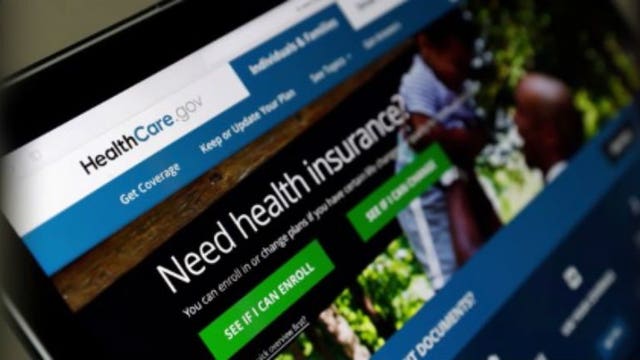
WASHINGTON — Call it the political equivalent of a death-defying escape: former President Barack Obama's health care law pulled in nearly 11.8 million customers for 2018, despite the Republican campaign to erase it from the books.An Associated Press count found that nationwide enrollment was about 3 percent lower than last year.
WASHINGTON — Call it the political equivalent of a death-defying escape: former President Barack Obama's health care law pulled in nearly 11.8 million customers for 2018, despite the Republican campaign to erase it from the books.An Associated Press count found that nationwide enrollment was about 3 percent lower than last year.

Big budget deal in Senate hailed as 'genuine breakthrough'
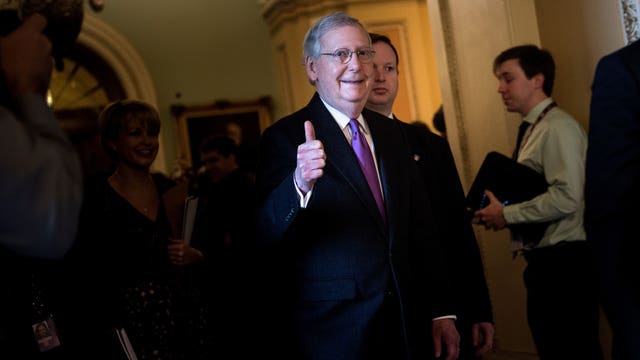
WASHINGTON — Senate leaders announced Wednesday they have sealed agreement on a two-year budget pact that would shower the Pentagon and domestic programs with almost $300 billion above existing limits, giving wins to both GOP defense hawks and Democrats seeking billions for infrastructure projects and combatting opioid abuse.The agreement is likely to be added to a stopgap spending bill that passed the House on Tuesday, aimed at averting a government shutdown Thursday at midnight.
WASHINGTON — Senate leaders announced Wednesday they have sealed agreement on a two-year budget pact that would shower the Pentagon and domestic programs with almost $300 billion above existing limits, giving wins to both GOP defense hawks and Democrats seeking billions for infrastructure projects and combatting opioid abuse.The agreement is likely to be added to a stopgap spending bill that passed the House on Tuesday, aimed at averting a government shutdown Thursday at midnight.
House votes to change who pays for sexual misconduct claims
WASHINGTON — The House has passed legislation that requires lawmakers to reimburse the Treasury when settling sexual harassment claims rather than use taxpayers to foot the bill.Sexual harassment claims involving members of Congress have prompted scrutiny of a system criticized for lacking in transparency.The bill eliminates the requirement that congressional employees undergo counseling and mediation to pursue a claim, steps that some say discouraged aides from coming forward with a compliant.Instead, accusers will get immediate access to an advocate, and have the option of proceeding to an investigation or filing a federal lawsuit.The legislation also requires the semi-annual publication of statistics involving harassment settlements.
WASHINGTON — The House has passed legislation that requires lawmakers to reimburse the Treasury when settling sexual harassment claims rather than use taxpayers to foot the bill.Sexual harassment claims involving members of Congress have prompted scrutiny of a system criticized for lacking in transparency.The bill eliminates the requirement that congressional employees undergo counseling and mediation to pursue a claim, steps that some say discouraged aides from coming forward with a compliant.Instead, accusers will get immediate access to an advocate, and have the option of proceeding to an investigation or filing a federal lawsuit.The legislation also requires the semi-annual publication of statistics involving harassment settlements.

House Republicans working to plan to avert another shutdown
WASHINGTON — The era of trillion-dollar budget deficits is about to make a comeback — and a brewing budget deal could mean their return comes just next year.
WASHINGTON — The era of trillion-dollar budget deficits is about to make a comeback — and a brewing budget deal could mean their return comes just next year.

White House official: Pres. Trump signs bill funding government through Feb. 8
WASHINGTON -- The White House says President Donald Trump has signed a bill reopening the government, ending a 69-hour display of partisan dysfunction after Democrats reluctantly voted to temporarily pay for resumed operations.The shutdown took effect Saturday on the one-year anniversary of the president's inauguration, but the White House maintains that President Trump came out the winner in the GOP's standoff with Democrats.The White House argues Democrats "caved" after President Trump refused to negotiate with them on immigration policy until the government reopened.
WASHINGTON -- The White House says President Donald Trump has signed a bill reopening the government, ending a 69-hour display of partisan dysfunction after Democrats reluctantly voted to temporarily pay for resumed operations.The shutdown took effect Saturday on the one-year anniversary of the president's inauguration, but the White House maintains that President Trump came out the winner in the GOP's standoff with Democrats.The White House argues Democrats "caved" after President Trump refused to negotiate with them on immigration policy until the government reopened.



No deal reached, Senate sets noon EST Monday vote as government shutdown drags on
WASHINGTON -- The government shutdown will extend into the workweek as the Senate appeared to inch closer to ending a partisan stalemate late Sunday but fell short of agreement.Senate Majority Leader Mitch McConnell and his Democratic leader Chuck Schumer said negotiations were still underway into the night, with a vote to break a Democratic filibuster on a short-term funding bill scheduled for noon Monday.
WASHINGTON -- The government shutdown will extend into the workweek as the Senate appeared to inch closer to ending a partisan stalemate late Sunday but fell short of agreement.Senate Majority Leader Mitch McConnell and his Democratic leader Chuck Schumer said negotiations were still underway into the night, with a vote to break a Democratic filibuster on a short-term funding bill scheduled for noon Monday.