

Wisconsin bear hunt: 2026 season open from Sept. 9 to Oct. 13
WI bear hunt begins Sept. 9; what you may not know
The Wisconsin Department of Natural Resources (DNR) reminds hunters that the 2026 bear hunting season opens on Wednesday, Sept. 9. Officials said in a news release that bear hunters should again expect a quality hunting experience this fall. FOX6 NOW spoke with Sam Jonas, DNR Wildlife Species Section Supervisor, about the bear hunt in the state.
MADISON, Wis. - The Wisconsin Department of Natural Resources (DNR) wants hunters to know that the 2026 bear hunting season is open from Sept. 9 to Oct. 13.
This year saw over 34,000 applicants competing for 15,245 available bear licenses, alongside 106,000 individuals who chose to purchase preference points for upcoming lottery drawings.
FREE DOWNLOAD: Get breaking news alerts in the FOX LOCAL Mobile app for iOS or Android
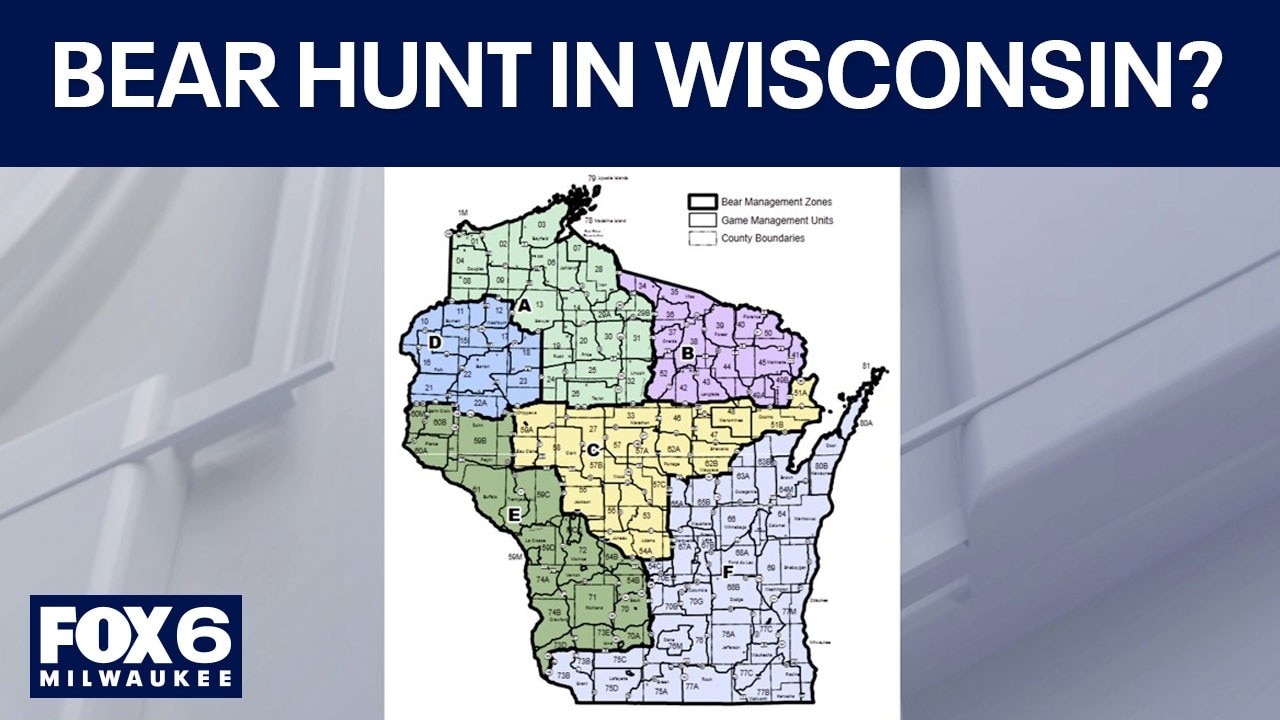
Bear hunting zones
What we know:
Hunters must know the management zone in which they are licensed to hunt and the specific bear hunting regulations within that zone.
Zones A, B and D – Where dogs are permitted:
- Sept. 9-15 – with the aid of bait and all other legal methods not using dogs
- Sept. 16 to Oct. 6 – with the aid of dogs, the aid of bait and all other legal methods
- Oct. 7-13 – with the aid of dogs only, no other methods
Zones C, E and F – Where dogs are not permitted:
- Sept. 9 to Oct. 13 – with the aid of bait and all other legal methods not using dogs
The DNR reminds hunters that all bears must be registered by 5 p.m. the day after recovery, and they must submit two upper premolar teeth to the department. These samples provide important data used to monitor and ensure the health of Wisconsin’s bear population into the future.
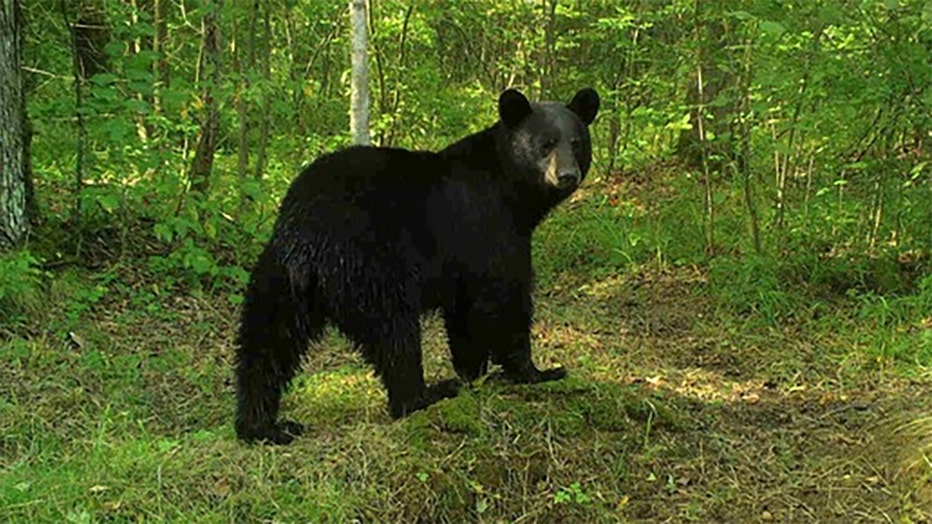
Black bear (Credit: Wisconsin DNR)
Bear population
What we know:
With an estimated 24,000 animals, Wisconsin maintains a thriving bear population across the state.
Covering more than half the state—primarily across the forested areas of northern and central Wisconsin—the resident bear population continues to expand slowly southward.
Editor's note: This story was updated to add video.
The Source: Information in this post was provided by the Wisconsin Department of Natural Resources (DNR).