

'Trends in health inequity:' Health officials see uptick in COVID-19 cases on Milwaukee's south side
Health officials see uptick in COVID-19 cases on Milwaukee`s south side
Health officials see uptick in COVID-19 cases on Milwaukee`s south side
MILWAUKEE -- Milwaukee County health officials have noted an increase in COVID-19 cases on Milwaukee's south side in predominantly Hispanic and Latin-X neighborhoods.
Long-standing health disparities, living situations, inability to practice social distancing and increased testing have all played a role in those case numbers rising.
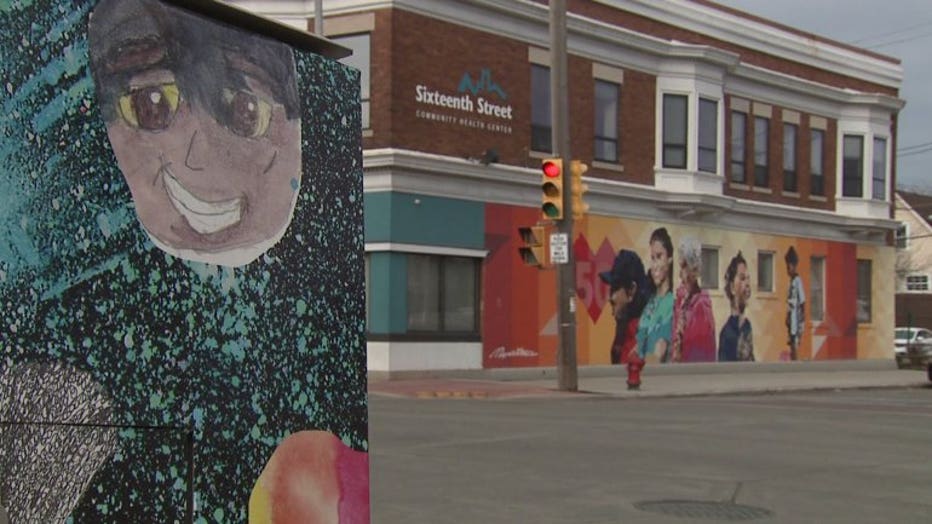
Since early April, Sixteenth Street Community Health Centers' Dr. Jorge Ramallo has been part of an outreach effort in Milwaukee's Hispanic community. The clinic serves more than 40,000 clients and since the pandemic began has fielded thousands of phone calls a day. Efforts continue to spread the message about the coronavirus -- hopefully faster than the disease itself.
"Really working hard to combat the factors that people struggle with in our lesser-advantaged neighborhoods," said Dr. Julie Schuller, president and CEO of Sixteenth Street Community Health Centers.
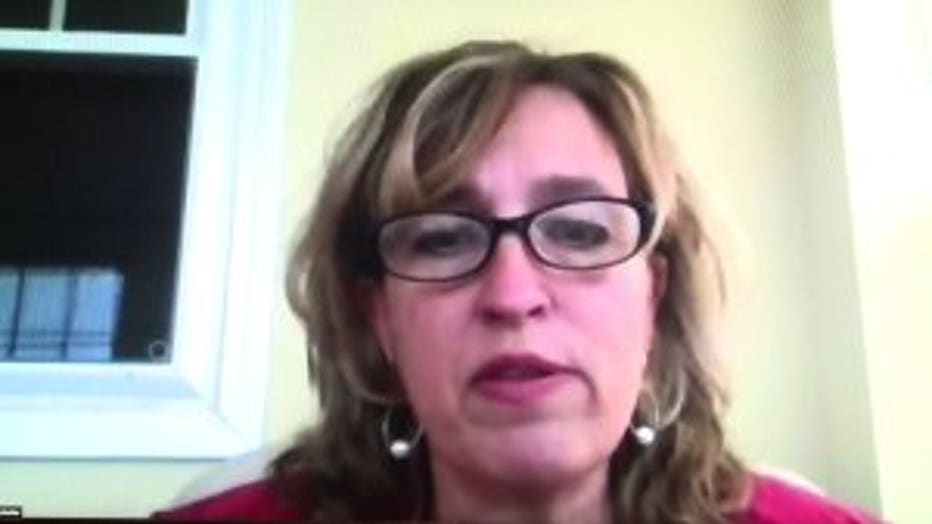
Dr. Julie Schuller
From yard signs in neighborhoods to text message campaigns to Facebook Lives -- the message is out to hopefully save lives. As of April 20, Schuller says, the health centers had tested 1,013 people and had 244 positive cases -- approximately two-thirds of the positive tests in their service area.
Milwaukee County health officials said an uptick in cases in predominantly Hispanic neighborhoods over the past two weeks is being watched closely. African-Americans make up nearly half of all confirmed cases of the virus in Milwaukee County, followed by whites and then Hispanic or Latin-X residents. Other factors are also at play.
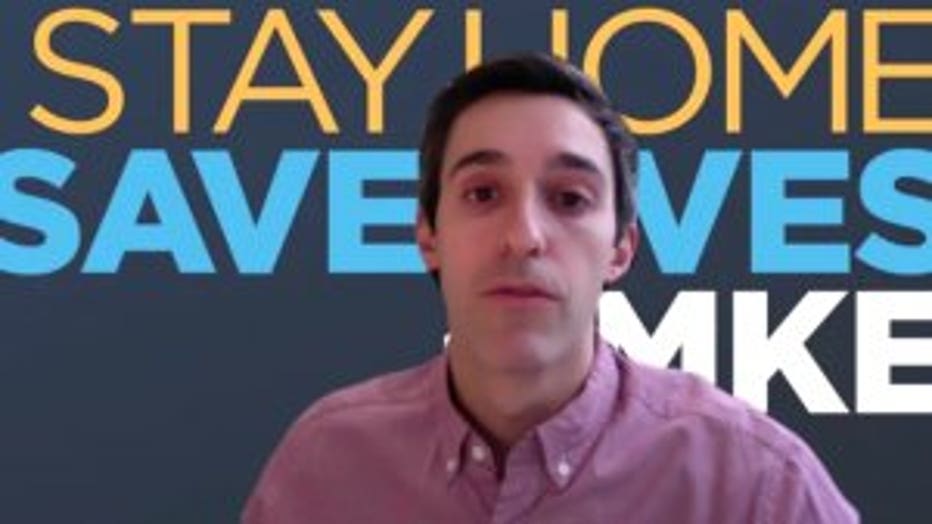
Dr. Ben Weston
"When you look at trends and diseases, such as diabetes and high blood pressure, we see similar trends in health inequity," said Dr. Ben Weston of the Milwaukee County Office of Emergency Management.
Inequitable living situations, inability to work from home and other factors are likely to blame for the rise in cases, as is increased testing. However, the result is most likely drawn from a combination of those factors.
"As we'll see in the coming days and weeks, as our community ramps up our testing capacity, the more people you test, the more cases you'll find," Weston said.
Health officials hope that with the increased testing, unknown cases will be found to help stop the virus in its tracks. Leaders at Sixteenth Street Community Health Centers, like many others, hope for the day we can put the pandemic behind us, but also know that all the information and lessons learned from the pandemic can be put to good use in the future to help people and their health.